
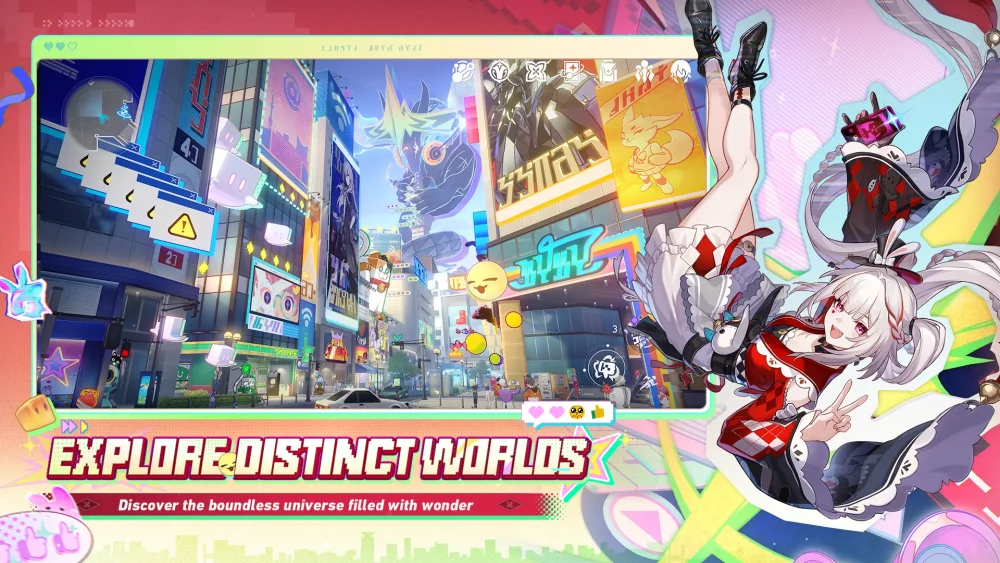
Honkai: Star Rail is widely celebrated for its unique visual identity, which bridges the gap between high-fidelity 3D modeling and traditional 2D anime aesthetics. Achieving visual mastery in this space fantasy RPG requires more than just cranking your settings to "Ultra"; it demands an appreciation for the game’s deliberate use of light, shadow, and character silhouette. Whether you are aiming to optimize your hardware for a smoother combat experience or looking to capture the perfect cinematic screenshot of characters like Himeko Nova, understanding the engine’s artistic framework is key to total immersion.
Decoding the Cel-Shaded Animation Aesthetic
The visual success of Honkai: Star Rail relies on a sophisticated hybrid rendering pipeline. Unlike standard cel-shaded titles that aim for a purely "flat" look, this game utilizes high-fidelity textures that react dynamically to environment lighting.
To master this aesthetic, focus on the silhouette and edge lighting. Developers use subtle rim lighting—a glowing outline around character models—to ensure that figures like Himeko Nova never disappear into the background, regardless of how complex the environment becomes.
- Silhouette Integrity: Observe how character models maintain a distinct shape against chaotic particle effects. This is achieved through high-contrast shading that prevents textures from "bleeding" into one another.
- Texture Depth: The hair and clothing textures are designed to mimic hand-drawn animation but possess 3D volume. This allows for fluid movement during idle animations and high-speed combat, making the characters feel tactile and grounded in their sci-fi environment.
Analyzing Lighting Cues and Environment Harmony
Lighting in Honkai: Star Rail is a narrative tool. The art team uses color theory to guide player emotion and focus. In regions like the Belobog snowfields, cool, desaturated blues dominate, emphasizing isolation and the harshness of the Stellaron-induced winter. Conversely, areas like the Xianzhou Luofu use warm, saturated tones to suggest energy and historical grandeur.
Focused Lighting in Combat: When a character triggers an Ultimate, the game engine subtly manipulates the surrounding environment. It often dims the background or shifts the ambient lighting to create a "spotlight" effect on the acting character. This is not just for flair; it is a design choice to remove visual noise, allowing you to track combat inputs and animations clearly. Recognizing these shifts helps you appreciate the rhythm of the game, as the lighting often pulses in sync with the emotional beats of the character's signature move.
Understanding Character Identity: The Himeko Nova Standard
Himeko Nova serves as a prime example of the game’s design evolution. Mastering the visual style of a "premium" character involves looking at how the design team balances traditional character silhouettes with modern, sci-fi elements.
- Color Bursts: During signature attacks, notice the specific color palettes used. These align with the game's elemental system (e.g., fiery oranges for Fire characters), ensuring that even without UI elements, a player can intuitively identify the nature of an attack.
- Dynamic Framing: During Ultimates, the camera shifts from a standard perspective to low-angle, high-impact shots. This "cinematic framing" is used to establish scale and power, making the character appear larger than life. When you study these shots, you are seeing the direct application of film-directing principles applied to a turn-based RPG.
Balancing Performance and Visual Fidelity
The "impossible" art style of Honkai: Star Rail is demanding, particularly on mobile devices and mid-range PCs. If you are struggling with frame-rate stutters, you do not need to settle for a muddy, low-resolution experience. Instead, focus on adjusting the settings that impact the engine’s post-processing load.
- Shadow Quality: This is the most resource-intensive setting. Reducing shadows from "Ultra" to "Medium" will provide a massive boost to your frame rate while keeping character models sharp.
- Bloom and Glare: While these effects add to the "sci-fi" atmosphere, they can blur the image significantly. If you find the screen too busy during intense combat, lower these settings to gain a crisper, clearer view of the field.
- Frame Rate Stability: It is always better to lock your game at 60 FPS than to allow it to fluctuate between 45 and 90 FPS. A consistent frame rate ensures that the timing of animations feels predictable, which is crucial for high-level combat execution.
Capturing the Perfect In-Game Screenshot
Honkai: Star Rail features a robust photo mode that, when used correctly, highlights the hand-crafted nature of the assets. To capture professional-grade shots, stop focusing on the static model and start focusing on the "Action Line."
- Lead the Action: Position your camera along the arc of a character’s movement. If they are mid-swing, place the camera at an angle that follows the trajectory of their weapon or ability.
- Depth of Field: Use the blur tool in photo mode to isolate the character from the background. Because the environment is so detailed, blurring it slightly helps the character’s unique design stand out, effectively recreating the "focused lighting" effect found in the game’s combat engine.
- Third-Person Perspectives: Use the camera to zoom in on fabric textures and hair shaders. These are the most detailed assets in the game, and they look their best when framed at a 45-degree angle to the light source, which brings out the depth of the cel-shading.
By understanding these visual mechanics, you move beyond simply playing Honkai: Star Rail to fully appreciating the technical and artistic craft that defines it. Mastery is found in the details—the rim light on a jacket, the color shift during an Ultimate, and the deliberate framing of every encounter.

Free Honkai: Star Rail Codes
Current active codes and how to redeem them.

Michael Smith
Michael covers live-service games, events, reward systems, and efficient daily routines, turning frequent updates into clear actions for players.
COMMUNITY
Player Comments
106 players commented on this guide.
Can you add more details about strategy in a future update?
I wish I had read this before upgrading the wrong thing.
Good guide for Honkai: Star Rail players. The strategy part was useful.
This saved me time in the early game.