
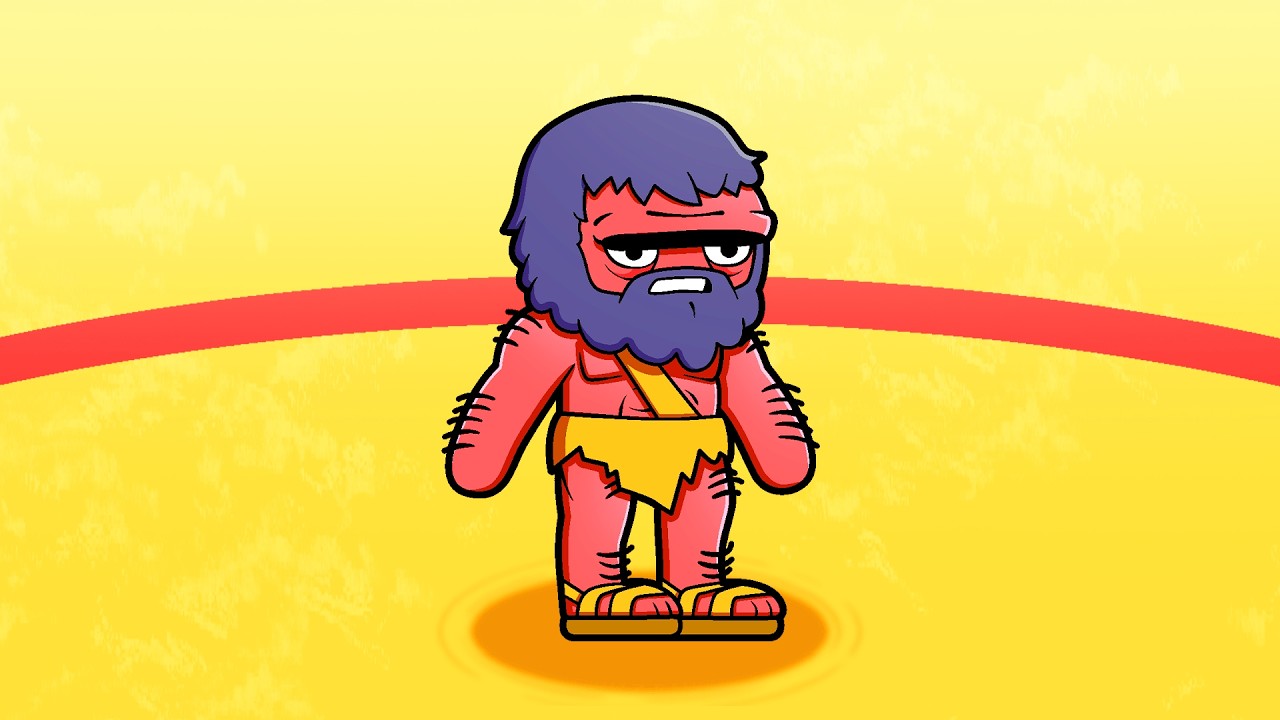
Reaching Round 110 in How Many Dudes? is the ultimate test of your dudebuilding prowess. At this stage, the game shifts from a casual swarm simulator into a high-stakes tactical roguelike where a single boss encounter can end an otherwise perfect run. The Round 110 boss acts as a "gear check," requiring you to pivot away from the quantity-over-quality mentality that carried you through the early game.
To survive this encounter, you must move beyond simply recruiting as many Dudes as possible. You need a focused strategy involving high-output DPS scaling, smart formation layering, and disciplined gold management. This guide breaks down exactly how to dismantle the Round 110 boss and keep your run alive.
Transitioning to Anti-Boss Roster Compositions
The early game in How Many Dudes? rewards you for hoarding cheap, low-tier units to overwhelm waves with sheer numbers. However, by Round 110, the boss’s health pool and damage output render this "meat shield" strategy obsolete. If your army consists solely of low-tier cannon fodder, the boss will simply cleave through your units faster than you can replenish them.
To win, you must pivot toward Single-Target Burst Damage. Look for these specific traits when refining your roster:
- Rapid-Fire Projectiles: Units that fire multiple projectiles per second are superior to slow-firing heavy hitters. They consistently chip away at the boss’s health, ensuring your DPS doesn't "overkill" small minions while ignoring the main threat.
- Armor-Piercing Synergies: The Round 110 boss often possesses high damage reduction. Prioritize units that provide armor-shredding buffs or those with innate piercing stats.
- The "Core" Concept: Identify 3–5 high-tier units that serve as your primary damage engines. Every other unit in your lineup should exist solely to support these core units—either by providing buffs, drawing aggro, or clearing the incidental "trash" mobs that spawn alongside the boss.
Advanced Positioning and Formation Layering
In How Many Dudes?, the layout of your army on the board is just as important as the units you choose. Clustering your units into a single ball is a death sentence against this boss, as most of its abilities are area-of-effect (AoE) attacks designed to punish clumped formations.
Instead, adopt a Layered Defense Strategy:
- The Vanguard Layer: Place your most expendable, low-HP units at the very front of the board. Their primary job is to soak up the boss’s telegraphed slams and projectiles, buying precious seconds for your backline.
- The Midline Buffer: Position your crowd-control or utility units here. These Dudes should focus on slowing the boss or providing defensive buffs to the units behind them.
- The Backline Core: This is where your high-DPS specialists must live. By keeping them at the maximum distance from the boss, you ensure they are outside the range of melee strikes and most ground-based AoE effects.
By spreading your army into multiple pockets across the screen, you force the boss to constantly reposition or split its focus. This AI manipulation is essential for keeping your damage dealers alive during the final phase of the fight.
Economic Management: The Reroll Threshold
Your ability to survive Round 110 is often decided in the shop during Rounds 105 through 109. Many players make the mistake of spending their gold on incremental unit count increases that don't scale well. At this stage, quality always beats quantity.
- Bank Your Gold: Stop buying low-tier units once you reach Round 100. Save your currency for mass-rerolls.
- Hunting for Multipliers: Use your rerolls specifically to find items that offer flat damage multipliers or attack speed buffs. A 20% damage increase to your core unit is worth significantly more than five extra basic units that will die in one hit.
- The Sell-Off Strategy: Don't be afraid to sell your early-game units. If you have five weak units that are essentially useless, sell them to fund a reroll that might grant you a high-tier upgrade. Pruning your army to make room for power is a sign of an experienced How Many Dudes? player.
Recognizing and Responding to Boss Patterns
The Round 110 boss operates on a rhythmic cycle. If you watch the animations closely, you will see a clear telegraph before every major attack.
- Telegraphed Strikes: When the boss charges up a heavy slam, do not try to out-damage it. If you have "Active Ability" items, save them for these windows to either shield your units or boost your damage output precisely when you need it most.
- Baiting the AI: If you position a single, high-mobility unit near the boss, you can often trick it into chasing that unit across the map. This "kiting" technique keeps the boss away from your primary damage dealers, allowing them to fire uninterrupted.
- Managing Visual Clutter: The game can get chaotic with projectiles flying everywhere. If you find yourself unable to see the boss's telegraphs, it is a sign that you have too many "noisy" units on screen. Consider trimming units that have large, distracting projectiles so you can focus on the boss’s attack cues.
Final Decision: Scaling into the Late Game
The transition to the endgame is a test of your ability to make hard decisions. You will reach a point where your unit slots are full and your board is crowded. You must ask yourself: Is this unit actually helping me kill the boss, or is it just taking up space?
If a unit isn't contributing to your DPS or providing a critical defensive buff, it is dead weight. The secret to beating the Round 110 boss is a lean, mean, and highly synergistic squad. By focusing on these core principles—positional layering, targeted rerolling, and aggressive roster pruning—you will find that even the most "insane" boss encounters in How Many Dudes? become manageable, predictable victories. Keep your focus, watch for those telegraphs, and don't be afraid to sacrifice the weak to save the strong.

Free How Many Dudes? Codes
Current active codes and how to redeem them.

Michael Smith
Michael covers live-service games, events, reward systems, and efficient daily routines, turning frequent updates into clear actions for players.
COMMUNITY
Player Comments
62 players commented on this guide.
Can you add more details about strategy in a future update?
The tips are practical and easy to follow.
I tried this today and it worked better than my old setup.
Nice guide. I am checking the other How Many Dudes? articles next.