
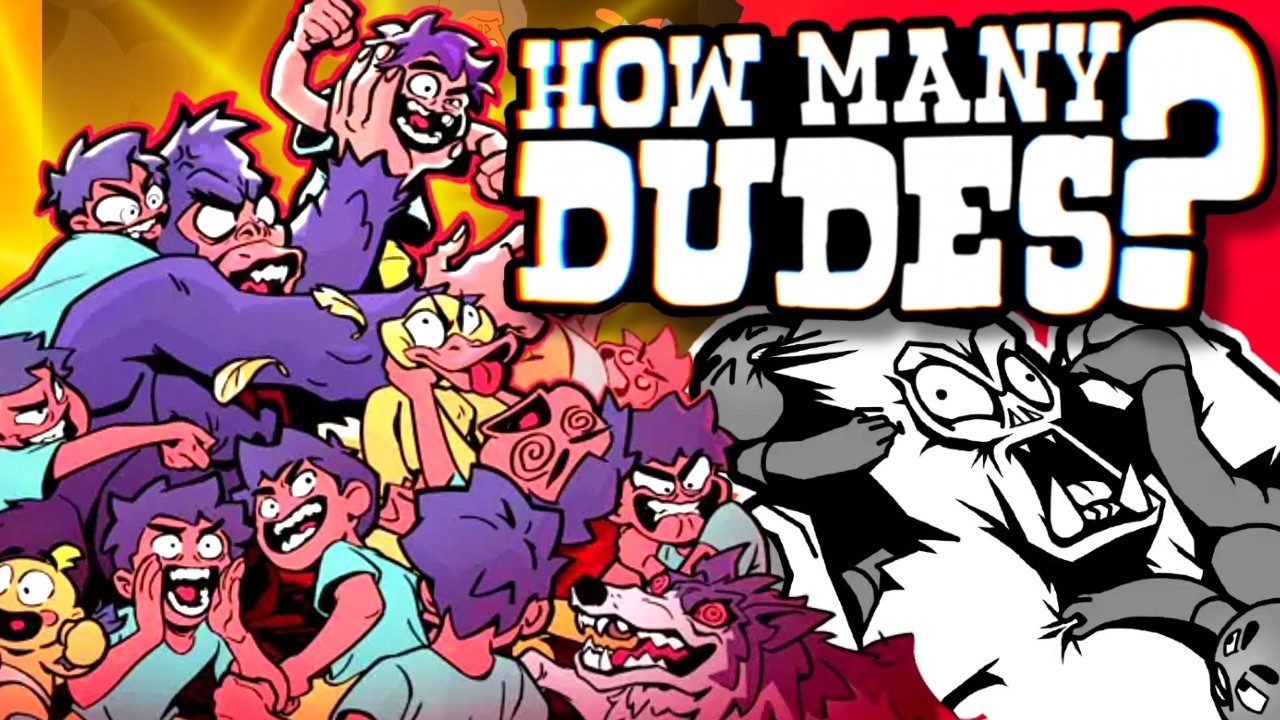
Mastering the shop economy is the single most effective way to influence your run's trajectory in How Many Dudes?. Many players fall into the trap of hoarding gold, waiting for "better" shops or saving for late-game upgrades. However, in this roguelike dudebuilder, the game’s difficulty scales exponentially, meaning a stagnant board is a death sentence. By intentionally burning gold on early-game rerolls, you can force the appearance of specific, high-impact units that form the foundation of game-breaking synergies.
This guide provides the expert framework needed to manipulate the shop’s RNG, manage your currency volatility, and build a high-tier army that dominates the chaos.
Why Early-Game Aggression Beats Hoarding
In How Many Dudes?, currency is a tool for transition, not a savings account. The wave intensity increases quickly, and if your board isn't optimized for the specific challenges of the current stage, you will be overwhelmed by the sheer volume of enemies.
When you start a run, your primary goal is to identify a "carry" unit or a core synergy as quickly as possible. Spending gold on rerolls during the first few waves is statistically safer than waiting. By refreshing the shop early, you increase the frequency of high-tier units appearing in your pool. A board of three synergistic Tier 2 or 3 Dudes will always outperform a board full of six Tier 1 units that lack cohesive traits.
The Logic of Unit Quality vs. Quantity
The title How Many Dudes? might suggest that "more is better," but in practice, the game rewards strategic pruning. Screen clutter can lead to poor visibility and mechanical inefficiencies. By focusing on quality, you achieve two goals:
- DPS Density: Higher-tier units often possess area-of-effect (AoE) capabilities or crowd-control abilities that clear waves faster than multiple weak units.
- Synergy Efficiency: High-tier units provide stronger passive bonuses. By focusing your gold on rerolling for these specific high-value targets, you unlock multiplicative scaling that base-level fodder cannot replicate.
How to Execute Strategic Pruning:
- Identify Your Core: By wave 3, you should have decided on your primary synergy. If a unit doesn't contribute to that, it is essentially gold waiting to be reclaimed.
- Sell for Re-rolls: Don’t be afraid to sell a Tier 1 unit to fund a reroll if you are one unit away from a critical synergy upgrade. The potential power jump of finding a Tier 3 unit outweighs the temporary loss of a single slot.
Managing Currency Volatility
Think of your gold as a volatile resource. If you find yourself with a sub-optimal board, use your rerolls until you hit a "power unit." Even if this leaves you at zero gold, the immediate increase in combat efficacy is worth the trade-off.
The Golden Rules of Shop Management:
- Don't Hoard: Interest rates or late-game shop upgrades are rarely as impactful as having a fully synergized board by the mid-game.
- The Lock Mechanic: Use the "Lock" feature to save a critical unit if you are only a few gold coins short. However, avoid locking for more than one wave; keeping your shop pool stale prevents you from seeing new options and stifles your momentum.
- Post-Boss Spending: After defeating a boss or a major wave, you receive a significant gold influx. This is the optimal time to perform a "deep reroll" to refresh your board composition for the next difficulty spike.
Adapting to RNG: When to Pivot
Even the most optimized strategy can be thwarted by bad RNG. The key to mastering How Many Dudes? is knowing when to abandon a failing build and pivot based on what the shop is feeding you.
If you have spent 50+ gold on rerolls and haven't hit your core unit, stop. Look at what the shop is giving you. Are there multiple high-tier units of a different class or type? If so, pivot your synergy to match those units. The game often nudges players toward specific builds through shop frequency; ignoring those hints in favor of a "dream build" is a common mistake that ends many runs.
Step-by-Step Pivot Strategy:
- Analyze the Shop: If your target unit hasn't appeared in three consecutive rerolls, scan the board for secondary synergies.
- Assess Tier Availability: If you see Tier 3 units appearing frequently, shift your build to prioritize those, even if they aren't your original preference.
- Commit to the Shift: Once you pivot, fully commit. Sell your previous, non-synergistic units to free up space and gold to flesh out the new path.
Common Mistakes to Avoid
Avoiding these pitfalls will significantly improve your win rate:
- The "One More Unit" Trap: Adding a unit just to fill an empty slot is a mistake if that unit breaks your existing synergies. It is better to have an empty slot than a unit that actively hinders your build.
- Over-valuing Tier 1 Units: Players often keep Tier 1 units too long out of attachment. Always look for opportunities to upgrade to higher tiers.
- Ignoring Shop Refresh Costs: Keep a mental tally of how much it costs to refresh. If you are entering a difficult wave, ensure you have enough gold to make at least one meaningful adjustment to your board.
Conclusion: Mastering the Flow
Success in How Many Dudes? requires a blend of rigid synergy planning and fluid tactical execution. By aggressively rerolling in the early game to secure high-tier, synergistic units, you build an army capable of handling the exponential scaling of later waves. Remember: manage your gold as a volatile asset, prioritize unit quality over total count, and never be afraid to pivot when the shop presents a different path to victory. With these strategies, you can turn the simulated chaos of the game into a controlled, high-damage engine.

Free How Many Dudes? Codes
Current active codes and how to redeem them.

Sarah Williams
Sarah specializes in RPG and collection games, explaining team building, character growth, and beginner-friendly ways to avoid expensive early mistakes.
COMMUNITY
Player Comments
50 players commented on this guide.
The explanation is clear, especially for beginners.
This helped me understand early game much better.
Can you add more details about early game in a future update?
Good guide for How Many Dudes? players. The early game part was useful.