
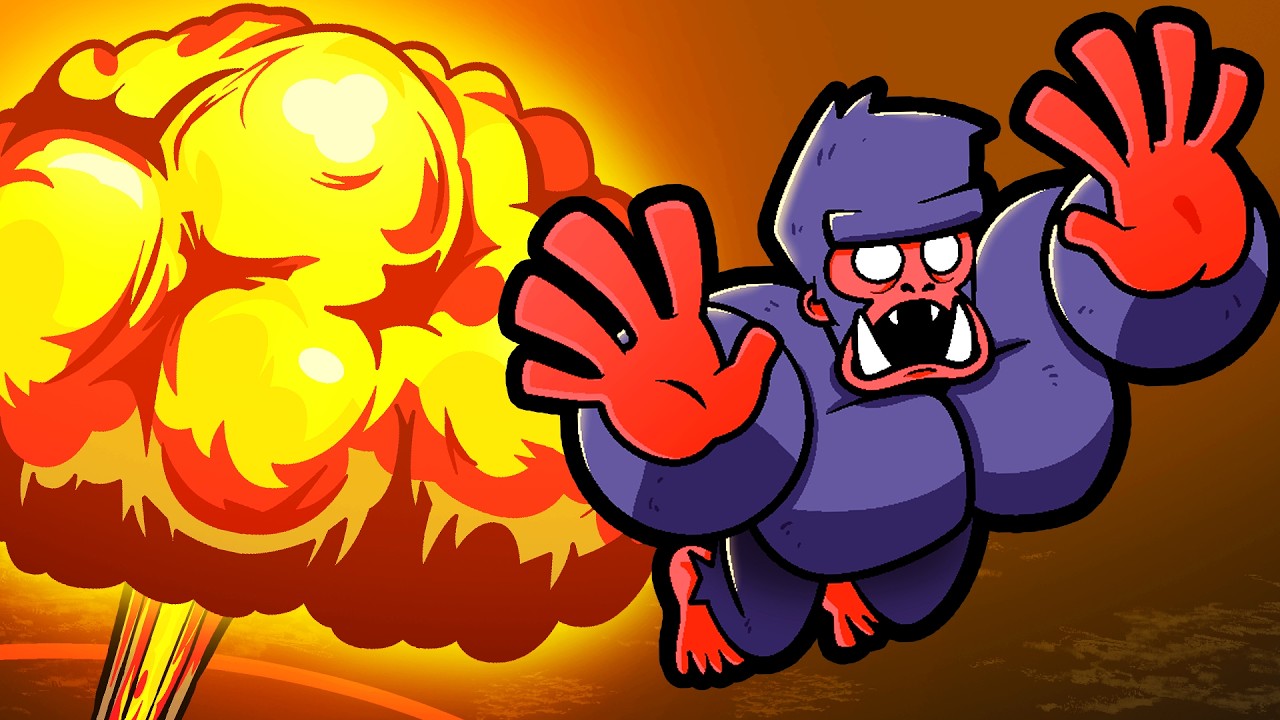
In the chaotic world of How Many Dudes?, the Nuke stands alone as the most disruptive tool at your disposal. While the core loop of the game revolves around building intricate synergies and recruiting an army of Dudes, even the most optimized builds can hit a wall when faced with high-health bosses. The Nuke is not merely a "win button"; it is a tactical reset switch that, when used correctly, allows you to bypass the most punishing difficulty spikes in the game.
This guide covers the expert-level application of the Nuke, from baiting boss pathfinding to managing the economy of destruction in your late-game runs.
Understanding the Nuke as a Strategic Asset
The biggest mistake novice players make in How Many Dudes? is treating the Nuke as a standard offensive unit or a "delete key" to be used whenever the screen feels crowded. In reality, the Nuke is a limited-resource equalizer. Because it bypasses the standard unit-scaling mechanics—which usually require specific Dude combinations or passives to achieve high damage—it acts as a bridge for when your current build isn't quite ready to handle a boss's health pool.
To use the Nuke effectively, you must identify your "damage ceiling." If your current army takes more than 15 seconds to clear a boss, your unit composition is likely falling behind the game’s difficulty curve. In these instances, the Nuke shouldn't be saved for an emergency; it should be budgeted into your strategy as a pre-planned phase of the fight.
The "Kill Box" Formation: Baiting Bosses
A Nuke is only as effective as the density of the enemies it hits. Since the item has a fixed area of effect (AoE), firing it prematurely or on an empty part of the screen is a run-ending waste of resources.
To maximize the Nuke, you must manipulate the game’s AI:
- Centralize your army: Keep your primary Dudes grouped tightly toward the center or slightly back from the spawn point.
- Pathing bait: Allow the boss to move past your front-line "tank" Dudes. This forces the boss to path directly into the heart of your formation.
- The Cluster: Wait for the boss to stop or slow down as they engage your units. Once the screen is cluttered with both the boss and surrounding fodder minions, trigger the Nuke. This ensures that you aren't just hitting the boss; you are clearing the screen of all distractions, allowing your army to focus fire on the boss if they survive the initial blast.
Managing the Economy of Destruction
The Nuke is an expensive investment. In the meta of How Many Dudes?, your gold is a precious resource, and spending it on explosives means spending less on recruiting or upgrading your Dudes.
The Nuke/Economy Balance:
- The Early Game: Avoid purchasing Nukes. Focus on building your core synergy. Using a Nuke in the first 20 waves is usually a net loss in long-term scaling, as you lose the gold that could have been spent on permanent upgrades.
- The Mid-Game "Bridge": Start carrying one Nuke in your inventory as an insurance policy. This is your "panic button" for when a boss spawn catches you off-guard or when a wave composition counters your specific build.
- The Late-Game "Nuke Cycle": Once you hit the late-game scaling tiers, you will often find that your units cannot keep up with the sheer health volume of bosses like the Gorilla. At this point, transition your economy to support a "Nuke-first" strategy. Dedicate a portion of your shop refreshes specifically to finding explosives.
Common Mistakes When Deploying Nukes
Even experienced players often fall into traps that mitigate the Nuke's value. Avoid these common errors:
- Panic-Firing: If you trigger a Nuke when your units are already winning the fight, you are wasting gold. Save the Nuke for when your frontline is collapsing or the boss is nearing your base.
- Ignoring Cooldowns: The Nuke does not provide passive damage. If you use it and fail to kill the boss, you are left with a cooldown and a weakened army. Ensure that your Dudes have the capability to follow up with raw DPS; the Nuke should be the finisher, not the entire plan.
- Poor Positioning: Do not place your units on the edges of the map. If your units are scattered, the boss will move to the edges, and the Nuke’s blast radius will be wasted on empty space. Keep your formation tight to keep the boss in the "Kill Box."
Scaling for the Gorilla and Beyond
The Gorilla is the primary benchmark for the Nuke’s utility. Because the Gorilla has massive health, the strategy is less about "killing it" and more about "bypassing the threat."
When facing the Gorilla, wait until it has moved past your primary defensive line. If you Nuke it too early, you lose the opportunity to keep it contained. If you wait until it is directly on top of your units, you risk losing your most valuable, high-synergy Dudes. The "sweet spot" is when the Gorilla has engaged your middle-tier units but has not yet reached your high-value backline. This placement prevents the Gorilla from crushing your core, while ensuring that the blast clears the minions that are shielding the boss from your ranged attackers.
Final Thoughts: When to Rely on Nukes
Ultimately, the Nuke is a tool meant to help you survive long enough to assemble a game-breaking synergy. If you find yourself needing to buy a Nuke every single wave, your current run is likely unsustainable. Use the Nuke to buy yourself time—time to reach the next shop, time to find that final piece of your unit synergy, and time to outlast the waves that would otherwise overwhelm you.
By mastering the timing, formation, and economic trade-offs of the Nuke, you can turn How Many Dudes? from a chaotic struggle into a calculated demonstration of power. Keep your formation tight, save your gold for the right moments, and always keep an explosive backup in your inventory for when the bosses get too big for your Dudes to handle alone.

Free How Many Dudes? Codes
Current active codes and how to redeem them.

James Brown
James focuses on Android gaming on PC, emulator setup, controls, performance tuning, and practical troubleshooting for longer play sessions.
COMMUNITY
Player Comments
127 players commented on this guide.
Nice guide. I am checking the other How Many Dudes? articles next.
I wish I had read this before upgrading the wrong thing.
Good guide for How Many Dudes? players. The strategy part was useful.
The explanation is clear, especially for beginners.