
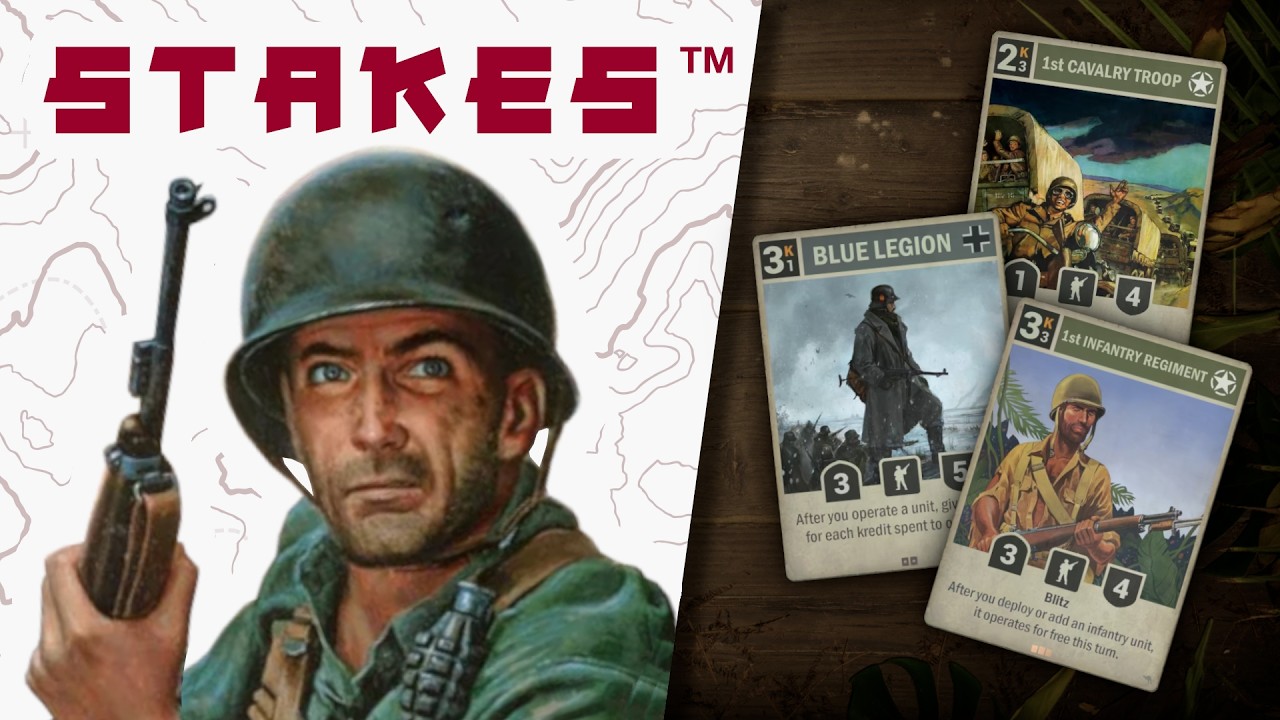
To pilot the Throp Successor build in KARDS - The WW2 Card Game, prioritize early frontline denial with low-cost removal, stabilize the board in the mid-game with Guard units, and deploy single Elite win conditions starting on turn seven. This control archetype trades early defensive efficiency for overwhelming late-game card quality, draining opposing resources before delivering decisive Headquarters damage.
Core Deck Structure and Kredit Curve
The Throp Successor archetype avoids tribal synergy like Alpine swarms or token mobilization. Instead, it relies on standalone card efficiency and asymmetric trading. Inexpensive orders eliminate early enemy units to protect your Headquarters, preserving your Kredit reserves until high-rarity units take over the board.
| Deck Role | Card Category | Target Kredit Cost | Strategic Purpose |
|---|---|---|---|
| Frontline Contest | Light Infantry & Direct Removal | 1–3 Kredits | Eliminate early enemy deployments and deny frontline access |
| Mid-Game Defense | Guard Units & Area Orders | 4–6 Kredits | Absorb damage, stall enemy attacks, and reset wide enemy boards |
| Late-Game Finisher | Elite Heavy Armor & Bombers | 7+ Kredits | Overwhelm opposing defenses and attack the enemy Headquarters |
| Resource Support | Card Draw & Kredit Acceleration | 2–5 Kredits | Refill your hand and reach high deployment thresholds faster |
Step-by-Step Match Progression
Executing this deck requires shifting from passive defense in the opening rounds to frontline pressure once your Kredit pool matures.
- Turns 1 Through 3 (Mulligan and Containment): Mulligan aggressively for disposable light units and direct removal costing three or fewer Kredits. Discard any card costing five or more Kredits, even if it is your primary win condition. Keep the opponent out of the frontline. Prioritize eliminating enemy units with Blitz or stat buffs over passive units.
- Turns 4 Through 6 (Board Stabilization): Deploy durable Guard units to your Support Line to absorb incoming attacks. If the opponent floods the battlefield, avoid deploying isolated low-stat units. Use pin mechanics or area suppression to delay opposing attacks until heavy board clears become playable.
- Turn 7 and Beyond (Elite Deployment): Once you reach seven Kredits, deploy your high-cost Elite threats one at a time. Staggering your heavy units protects your investment against unconditional removal and bounce orders. After the opponent burns their removal answers on your initial heavy threat, move into the frontline and strike the enemy Headquarters.
Budget Card Replacements
If your collection lacks top-end Elite cards, substitute them with high-utility Limited and Special cards rather than attempting direct stat copies.
- Add extra mid-cost units featuring the Armor or Smoke keywords to absorb enemy trades.
- Increase the count of high-defense Guard tanks and long-range bombers to survive opposing mid-game pushes.
- Include redundant removal orders to maintain one-for-one trades until opposing hands run dry.
Countering the Archetype on the Ladder
Facing the Throp Successor requires exploiting its high deployment costs and vulnerability to early tempo.
- Fast Aggression: Flood the frontline before turn three. Forcing the deck to respond with single-target removal leaves it vulnerable to direct damage aimed at the Headquarters.
- Pin and Movement Locks: High-cost tanks carry steep operation costs. Pinning these units strands substantial Kredit investments on the battlefield without preventing incoming attacks.
- Removal Discipline: In control matchups, hold unconditional destruction orders exclusively for turn seven and beyond. Spending hard removal on mid-game Guard units leaves you defenseless against incoming Elite bombers and armor.
Free KARDS - The WW2 Card Game Codes
Current active codes and how to redeem them.

James Brown
James focuses on Android gaming on PC, emulator setup, controls, performance tuning, and practical troubleshooting for longer play sessions.
COMMUNITY
Player Comments
70 players commented on this guide.
This saved me time in the early game.
This guide answered the exact question I had.
Can you add more details about early game in a future update?
I tried this today and it worked better than my old setup.