
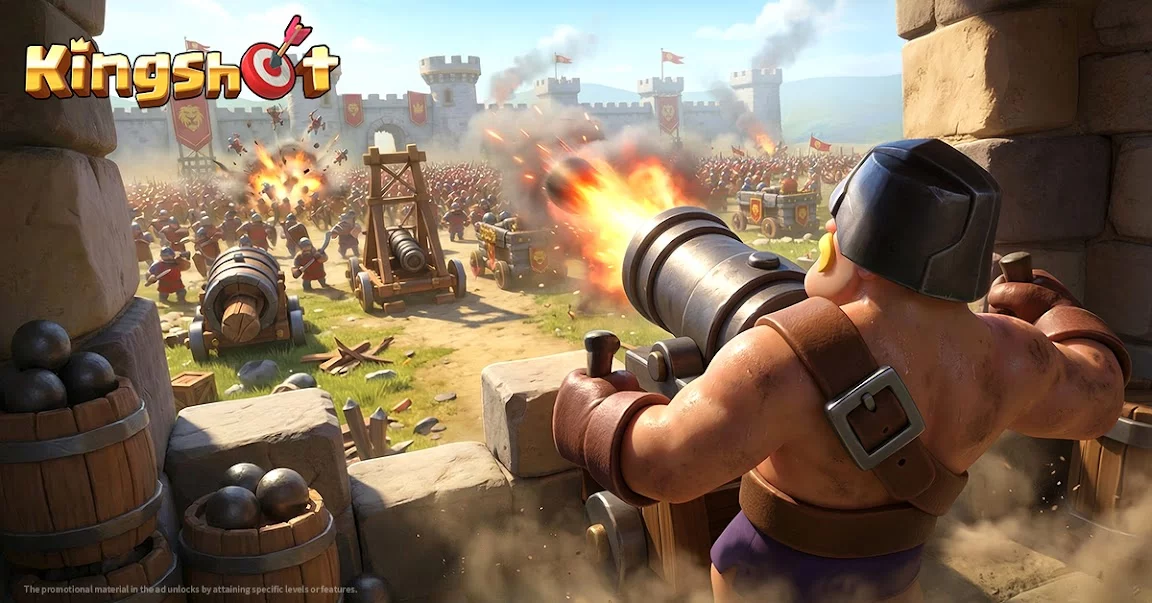
The Dream Theater in Kingshot is a high-stakes, gated progression event that acts as a primary resource sink for players looking to fast-track their development. Because it requires active, manual input rather than passive play, many players fall into the "completionist trap," burning through valuable speed-ups and premium materials for rewards that do not provide a meaningful return on investment.
To succeed in Kingshot, you must transition from an impulsive participant to a calculated strategist. This guide provides the framework for evaluating the Dream Theater, identifying your optimal stopping points, and ensuring every resource spent contributes to your long-term power growth.
Understanding the Dream Theater Mechanics
The Dream Theater functions as a tiered exchange system. Unlike standard idle mechanics where rewards are granted for consistent logins, the Dream Theater requires you to trade specific inventories—often speed-ups, hero fragments, or refined materials—to unlock subsequent tiers of rewards.
The core mechanic is diminishing marginal utility. The first few tiers are designed to be "cheap" to entice participation, while the final tiers feature exponential cost increases. Understanding that the game is intentionally designed to drain your reserves is the first step toward mastery. Before interacting with the interface, view it not as a shop, but as a conversion utility where you are essentially "buying" specific endgame items with your current liquid assets.
Analyzing Reward Tiers and Value Thresholds
To avoid the common mistake of overspending, you must categorize the Dream Theater’s rewards based on your current account progression. A reward that is "essential" for a mid-game player might be "negligible" for a late-game veteran.
- Tier 1–3 (The Early Bait): These tiers typically offer basic resources and low-level speed-ups. Unless you are in a desperate race to complete a specific building upgrade for an event deadline, these are often better ignored. The cost-to-value ratio is generally poor.
- Tier 4–6 (The Utility Zone): This is where mid-to-high-value items appear, such as hero fragments or specialized gear enhancement materials. This is the "sweet spot" for most active players. Evaluate these rewards against the cost of the speed-ups required to obtain them. If the fragment helps you unlock a crucial skill for your primary hero, the trade is usually favorable.
- Final Tiers (The Whale Zone): The final stages of the Dream Theater are reserved for high-rarity vanity items or massive quantities of premium currency. These are rarely cost-effective for non-whales. Only push into these tiers if the reward is a "meta-defining" item that will immediately change your competitive standing in Kingdom vs. Kingdom (KvK) combat.
Strategic Resource Management: The "Overlap" Rule
The most effective way to engage with the Dream Theater in Kingshot is to synchronize it with other recurring events. Spending resources blindly is a waste; spending resources while earning points for a secondary objective is efficiency.
Look for events that reward you for:
- Speed-up consumption: If you are burning speed-ups to complete Dream Theater tiers, ensure you are simultaneously hitting milestones in a "Power Up" or "Construction Rush" event.
- Resource expenditure: If the Dream Theater requires you to trade resources, wait for alliance-wide events that track total resource usage.
By overlapping these events, you ensure that the cost of participation is offset by the rewards earned from the secondary event, effectively lowering the "real cost" of the items you are pulling from the Dream Theater.
Avoiding Common Spending Pitfalls
The most significant error in Kingshot is the "sunk cost fallacy." Players often spend 60% of their required resources to reach tier 4, see the reward for tier 5, and feel compelled to spend the remaining 40% because they "don't want the first investment to go to waste."
How to avoid this:
- Set a Hard Cap: Before you open the Dream Theater menu, decide exactly which tier you are aiming for. Once you reach that tier, close the window. Do not look at the next reward.
- Calculate the "True Cost": If a reward requires 50 hours of speed-ups, ask yourself: "Would I pay 50 hours of speed-ups for this item if it were in the shop directly?" If the answer is no, do not participate.
- Ignore the Visual Hype: The event is designed with high-quality UI and limited-time timers to trigger FOMO (Fear Of Missing Out). Remind yourself that these events cycle regularly; if you miss a reward today, it will return, and you will have more resources to tackle it later.
Deciding When to Engage
Your decision-making should be dictated by your current server age and your role in your alliance.
- Early Game: Focus on building your core. If the Dream Theater offers resources that help you reach your next Town Hall level faster, it may be worth a small investment. Prioritize speed-ups over luxury items.
- Mid-to-Late Game: Your focus shifts to hero optimization. Only engage with the Dream Theater if the rewards directly contribute to your "Primary March" or your main defensive strategy. If you are a free-to-play (F2P) player, your best strategy is often to skip every other Dream Theater event entirely to build up a massive stockpile of resources for a "power push" during a major meta-shift.
Final Verdict: The Sustainable Path
Mastering the Dream Theater is about discipline. If you find yourself consistently empty-handed after an event, you are over-participating.
Pro Tip: Track your spending for three consecutive Dream Theater events. If your progress hasn't resulted in a tangible increase in combat power or a significant advancement in your building queue, you are spending inefficiently. Shift your strategy to prioritize long-term growth over short-term gratification. By skipping one event to save for the next, you gain the "spending power" to clear the high-value tiers when they truly matter, rather than exhausting yourself on mid-tier rewards every time the event goes live.
Use the Dream Theater as a surgical tool for your account's growth, not as a general-purpose store. When you treat your resources as finite, high-value assets, your performance in Kingshot will naturally rise above the competition.

Free Kingshot Codes
Current active codes and how to redeem them.

James Brown
James focuses on Android gaming on PC, emulator setup, controls, performance tuning, and practical troubleshooting for longer play sessions.
COMMUNITY
Player Comments
39 players commented on this guide.
I tried this today and it worked better than my old setup.
Good guide for Kingshot players. The resources part was useful.
This guide answered the exact question I had.
This saved me time in the early game.