
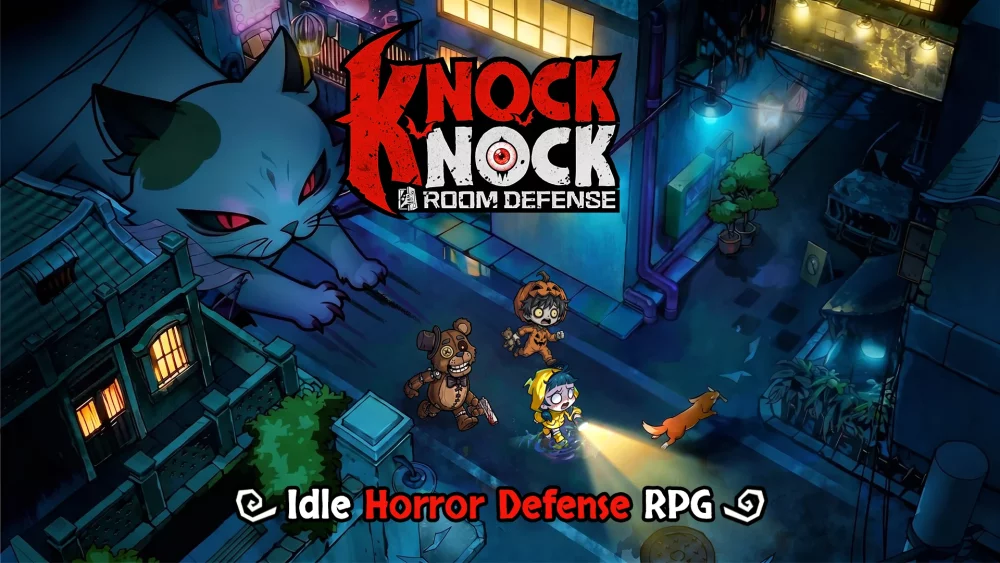
To survive the relentless supernatural encounters in Knock Knock: Room Defense, you must master the delicate balance between aggressive economic growth and defensive structural integrity. Because the game scales ghost difficulty based on the progression of the night, survival is not merely about holding the line—it is about out-scaling the enemy’s damage output through calculated resource allocation. This guide provides the tactical framework required to optimize your room, manage your gold efficiently, and repel even the most aggressive hauntings.
The Economy First Strategy: Maximizing Bed Efficiency
In Knock Knock: Room Defense, your bed is the engine of your success. It serves as your only source of passive gold, which is required for every upgrade, repair, and building action. A common mistake for new players is prioritizing door health over income; however, if your gold-per-second (GPS) rate is too low, you will eventually hit a "resource wall" where you cannot afford the upgrades necessary to stop late-game ghosts.
Expert Tips for Bed Management:
- Early Game Rush: Spend your initial gold almost exclusively on your bed during the first few seconds of the match. Getting your income to a higher tier early provides a compounding advantage that pays for itself within the first minute.
- The Threshold Rule: Only move away from bed upgrades when you can no longer keep the door health above 50% without immediate intervention.
- Steady Progression: Aim to upgrade your bed as soon as the cost-to-benefit ratio remains efficient. If a bed upgrade costs 100 gold but increases your yield by only 1 GPS, assess if that gold is better spent on a defensive structure that prevents a "Game Over" state.
Tactical Door Reinforcement and Repair Logic
The door is your primary barrier. In Knock Knock: Room Defense, your door serves as a "time-buffer." Its sole purpose is to buy your turrets enough time to destroy the attacking entities. If you are constantly repairing your door, you are spending gold that could have been used to kill the ghosts, creating a negative feedback loop.
When to Repair vs. When to Upgrade
- Passive Repair: If the ghost is barely scratching your door, resist the urge to repair. Let your health pool absorb the damage while you focus your gold on turrets or income.
- Emergency Intervention: Only trigger manual repairs when the door's health bar turns red or flickers, indicating an imminent breach.
- Upgrading for Health: If you find yourself repairing the door every few seconds, you are losing money. Instead of spending on repairs, upgrade the door’s tier. Each tier increase grants a significant boost to total HP and usually provides a defensive buff that mitigates incoming damage more effectively than manual repair spam.
Scaling Turret Damage for Late-Game Survival
Once your income is stable and your door can withstand minor chip damage, you must shift focus to offensive deployment. Turrets are not just secondary defense; they are the primary means of winning the game.
Why Quality Beats Quantity
Many players clutter their room with five or six level-one turrets. This is statistically inefficient. In Knock Knock: Room Defense, it is almost always better to have two high-tier turrets than five low-tier ones.
- Damage Density: High-tier turrets often benefit from increased fire rate and critical hit modifiers that low-level units lack.
- Space Management: Room space is finite. Placing too many low-tier units creates a bottleneck where you cannot place more powerful structures later because the room is physically full.
- Resource Efficiency: Upgrading an existing turret is cheaper than building a new foundation and upgrading it from scratch.
Managing the Night Cycle and Enemy Scaling
The difficulty in Knock Knock: Room Defense is tied to the night timer. As the night progresses, ghosts gain health, attack speed, and movement speed.
- The Mid-Night Pivot: Around the midpoint of the night cycle, shift your strategy from "Growth" to "Sustainability." If your income generation is strong, stop building new beds and start focusing entirely on maxing out your defensive grid.
- Wave Awareness: Keep an eye on the ghost density. If you notice a "boss" ghost or a high-health wave approaching, ensure you have a "Gold Buffer"—a surplus of at least 200–500 gold—stored specifically for emergency door repairs or rapid turret deployment.
- Recognizing Failure States: If your door is constantly under attack and your turrets are unable to clear the wave before the door breaks, you have failed the DPS check. In future attempts, prioritize turret damage upgrades earlier in the night cycle.
Strategic Mistakes to Avoid
To excel at Knock Knock: Room Defense, you must identify the habits that lead to premature defeat:
- Panic Repairing: Repairing the door at 80% health is a waste of gold. Wait until the structure is significantly damaged to optimize your resource usage.
- Ignoring Room Upgrades: Some players forget to upgrade the actual room tiles or auxiliary structures that support your defensive grid. Check your menus to ensure you aren't missing passive buffs to your turrets or door.
- Over-Investing in Early Defense: Building a high-level door at the start of the game is unnecessary. The ghosts are weak early on; use that gold to boost your bed level so you can afford much stronger defenses later when the ghosts actually become a threat.
Final Summary for Success
The key to mastering Knock Knock: Room Defense is recognizing that your defense is an investment. By aggressively boosting your gold production in the first minute, you create the capital required to build a "firewall" of turrets. Treat your door as a sacrificial buffer, prioritize high-tier turrets over quantity, and always maintain a gold reserve for the final, most intense stages of the night. By applying this disciplined, data-driven approach to your resource management, you will be able to survive the longest nights and emerge victorious against the supernatural threat.

Free Knock Knock: Room Defense Codes
Current active codes and how to redeem them.

James Brown
James focuses on Android gaming on PC, emulator setup, controls, performance tuning, and practical troubleshooting for longer play sessions.
COMMUNITY
Player Comments
32 players commented on this guide.
The tips are practical and easy to follow.
The explanation is clear, especially for beginners.
I wish I had read this before upgrading the wrong thing.
Nice guide. I am checking the other Knock Knock: Room Defense articles next.