
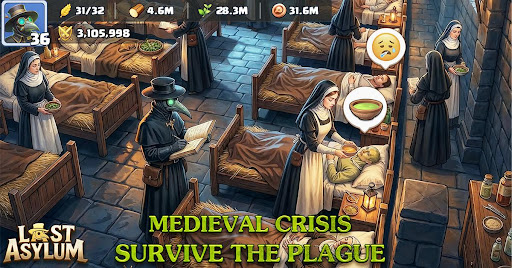
In Last Asylum, navigating the plague-ridden environments requires more than just high-level heroes; it demands an understanding of how environmental hazards influence your squad’s survivability. Players often find that even a well-geared team can crumble if they fail to manage the persistent infection risks present in high-density plague zones.
Understanding Environmental Plague Hazards
Plague zones in Last Asylum are not merely backdrops for combat; they function as active debuff zones. As you progress, you will encounter varying levels of "Plague Density" that impact your units differently.
- Infection Ticks: Standing in contaminated zones applies a stacking debuff that drains health over time, independent of enemy attacks.
- Visibility Impairment: Certain plague-heavy zones obscure unit line-of-sight, making it difficult to target enemies effectively or trigger specific ability ranges.
- Healing Suppression: High-hazard areas often reduce the effectiveness of your support units, making traditional healing strategies less reliable.
Tactical Positioning for Hazard Avoidance
To survive these environments, you must shift your focus from raw damage output to tactical movement. Follow these guidelines to maintain squad integrity:
| Hazard Type | Primary Risk | Mitigation Strategy |
|---|---|---|
| Active Pools | Continuous DoT (Damage over Time) | Prioritize "kiting" enemies out of pools toward clear ground. |
| Mist Clouds | Accuracy/Range Reduction | Keep your ranged units at the edge of the mist, rather than inside. |
| Corrupted Structures | AOE Burst Damage | Destroy these environmental hazards first to clear a "safe zone" for your squad. |
Essential Survival Tips for Plague Zones
- Prioritize Movement Speed: If your squad is struggling to exit hazard zones, consider equipping gear or utilizing hero talents that increase movement speed. Being able to reposition quickly is often more valuable than a slight increase in raw attack power.
- Monitor the Health Bar Colors: Pay close attention to your units' health bars. A color shift or a pulsing effect often indicates that a hero is currently standing in an active hazard zone, signaling that it is time to move.
- Use Crowd Control to Clear Paths: Don't waste your crowd control (CC) abilities solely on enemies. Use them to push or stun enemies away from hazard-heavy areas so your team can engage on favorable terrain.
- Rotate Your Frontline: If your tank is taking heavy damage from both enemy hits and environmental hazards, rotate them back and cycle in a secondary tank or a high-durability melee unit to mitigate the accumulated infection damage.
Managing Resource Scavenging in Contaminated Areas
When you are tasked with clearing a zone for resources, the temptation is to rush the objective. However, in Last Asylum, the "stay and loot" approach is often a trap. Instead, clear the immediate vicinity of the resource node, pull the enemy waves into a clear area, and only then proceed to interact with the resource. This minimizes your time spent inside the hazard zone, ultimately preserving your squad's health for the next wave of the encounter.
By treating the environment as an enemy in its own right, you will find it significantly easier to clear plague-infested sectors and advance through the later stages of the game with fewer casualties.

Free Last Asylum: Plague Codes
Current active codes and how to redeem them.

Michael Smith
Michael covers live-service games, events, reward systems, and efficient daily routines, turning frequent updates into clear actions for players.
COMMUNITY
Player Comments
84 players commented on this guide.
Can you add more details about heroes in a future update?
This saved me time in the early game.
Good guide for Last Asylum: Plague players. The heroes part was useful.
The explanation is clear, especially for beginners.