
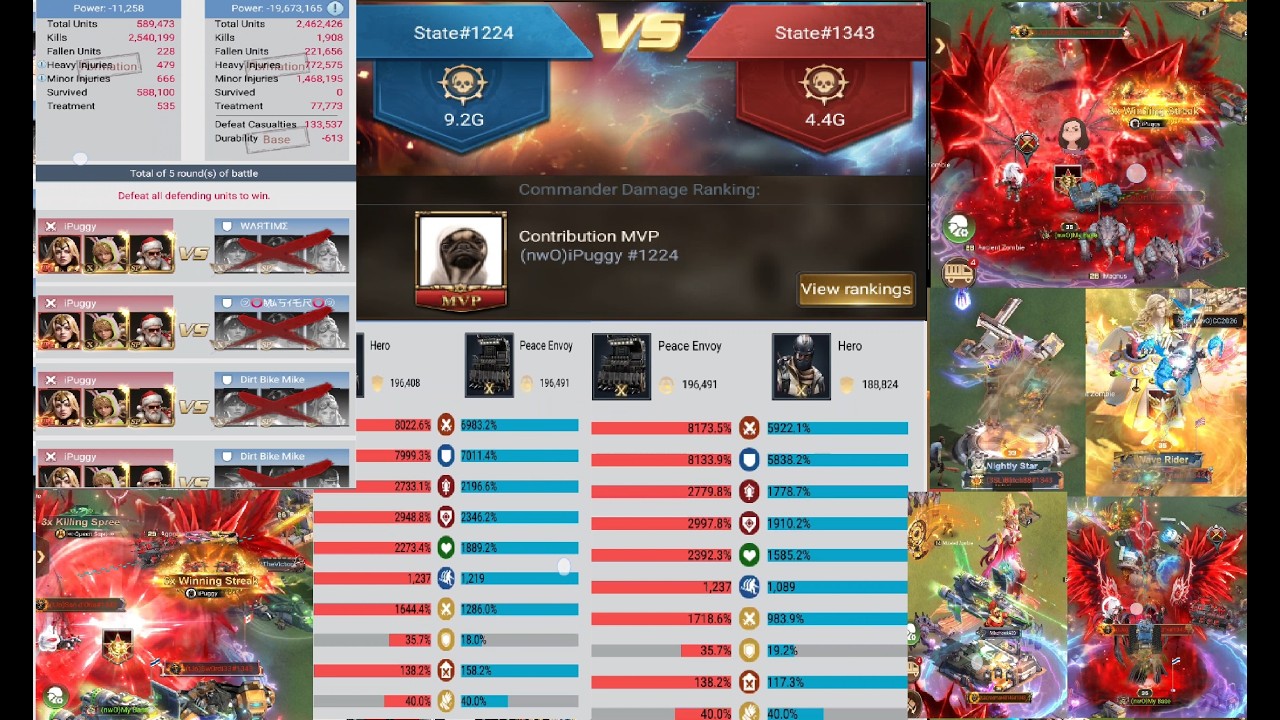
In Last Shelter: Survival, the Kill Event (KE) is the ultimate test of a player’s strategic patience and tactical awareness. While the temptation to rack up points by attacking others is high, the most successful players focus on "calculated survival." The core objective during a KE is to avoid losing high-tier troops—which take days or weeks to train—to superior opponents. By mastering base relocation, active scouting, and intelligent troop management, you ensure that your settlement remains a viable force long after the event concludes.
Understanding Kill Event Mechanics and Player Intent
The Kill Event is a server-wide or cross-server competition where points are awarded primarily for destroying enemy troops. Because the point spread favors the aggressor, most high-power players operate on a "farm-and-destroy" mentality. They look for bases with low defense, high resource stockpiles, or accessible troop counts.
To survive, you must stop viewing your base as a static location and start treating it as a mobile asset. If your power level is lower than the top 50 players on your server, your primary goal is to minimize your footprint. Never assume that being in a quiet corner of the map provides permanent safety; high-level players use "burn" marches to clear sectors systematically.
Strategic Base Relocation: The Art of Disappearing
The most cost-effective defensive tool in Last Shelter: Survival is the Advanced Relocation item. During a KE, you should never stay in a position where you are easily scouted or pinned.
- Avoid High-Traffic Zones: Stay away from the center of the map (the Eden or territory hubs) unless you are participating in a coordinated alliance defense. These areas are magnets for "snipers" looking for easy kills.
- The "Shadow" Placement: Relocate to the fringes of your alliance's territory. By positioning yourself behind alliance members who have higher power or stronger defensive stats, you make yourself a less attractive target. Aggressors will generally hit the "frontline" bases before working their way to you.
- The Relocation Bait: If you suspect a player is hunting you, wait for them to commit their march. Once they are mid-transit, relocate your base to a different sector. This causes their march to fail, wasting their time and potential stamina, and often discourages them from hunting you further.
Scouting: Maintaining 360-Degree Awareness
In Last Shelter: Survival, information is your greatest defense. Never rely on the game’s default alerts; you must actively scout your surroundings.
- Monitor Proximity: Every 30 minutes, perform a "scout scan" of all bases within a two-tile radius. Identify players with significantly higher power ratings than your own.
- Tracking Incoming Marches: If you see a march incoming, check the speed and the troop composition (if you have the appropriate technology/hero skills). If the march is from an alliance known for aggression, do not wait to see if they hit you. Shield immediately or relocate.
- Alliance Radar: Utilize your alliance's collective vision. If your alliance members report a high-power enemy moving through a specific sector, mark that enemy on your map. Never let an enemy "surprise" you; a surprise attack is almost always a successful one for the attacker.
Troop Preservation: The "Zero-Exposure" Strategy
If you cannot guarantee your base's safety, you must remove the incentive for players to attack you. The most common reason players are targeted is the presence of high-tier troops that can be killed for points.
- The Garrison/Bunker Method: If you are going offline, always garrison your strongest troops in an alliance building or a rally. If your troops are not in your base, they cannot be killed in a standard raid.
- The Shielding Priority: Use your 8-hour or 24-hour Peace Shields during peak KE activity windows. If you are a free-to-play player, prioritize saving your Diamonds for these shields rather than speeding up building upgrades during the event.
- Resource Management: Keep your resource production in your bag as much as possible. A base with millions of resources is a beacon for attackers; keep your "on-hand" resources low to make yourself a "zero-profit" target.
Tactical Retreats vs. Holding Ground
One of the most dangerous mistakes in Last Shelter: Survival is overestimating your defensive capacity. Many players lose their entire army trying to defend a base against a "whale" (a high-spending player).
When to Retreat (Relocate):
- Power Disparity: If the enemy has 2x or 3x your power, your defensive structures will crumble. Do not attempt a "heroic defense."
- Multiple Incoming Attacks: If you are being rallied, you have seconds to act. If you cannot call for reinforcement from your alliance, move.
- Healing Limitations: If your hospital is full or you are low on speed-ups to heal your troops, you cannot afford a loss.
When to Hold:
- Alliance Support: Only hold your ground if you have enough alliance members reinforcing your base to force a "stalemate" or a win.
- Strategic Objective: If your base is part of a choke point that your alliance must hold to maintain territory, you may be required to sacrifice troops for the greater good. Always verify this with your R4/R5 leaders before committing.
Conclusion: Playing the Long Game
Surviving a Kill Event in Last Shelter: Survival is not about winning every fight; it is about ensuring that you are still standing and ready to grow when the event ends. By treating your base as a mobile unit, utilizing peace shields during peak hours, and prioritizing the safety of your troops over the temporary ego boost of a successful defense, you prevent the crippling setbacks that cause many players to quit. Keep your eyes on the map, maintain communication with your alliance, and remember: in a post-apocalyptic world, the player who hides best often wins the most.

Free Last Shelter: Survival Codes
Current active codes and how to redeem them.

Michael Smith
Michael covers live-service games, events, reward systems, and efficient daily routines, turning frequent updates into clear actions for players.
COMMUNITY
Player Comments
88 players commented on this guide.
I tried this today and it worked better than my old setup.
I wish I had read this before upgrading the wrong thing.
The tips are practical and easy to follow.
This guide answered the exact question I had.