
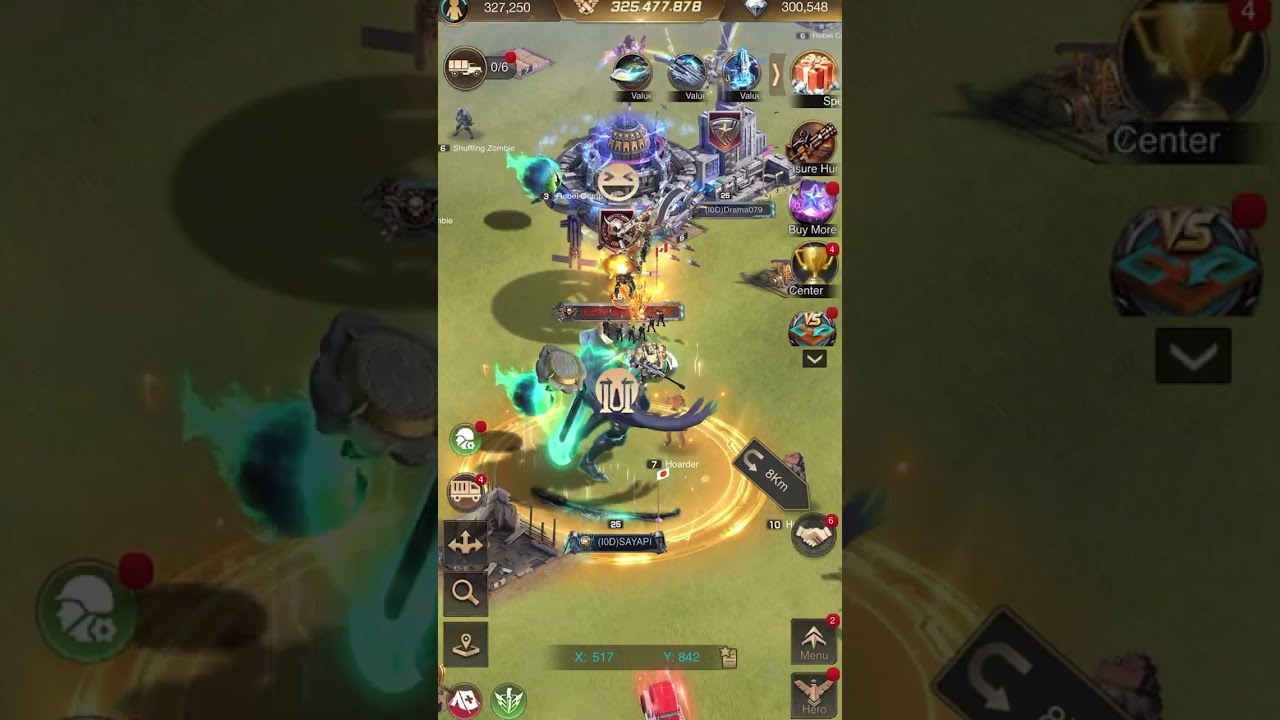
Success in a Last Shelter: Survival Kill Event (KE) is rarely determined by who has the highest power, but rather by who coordinates best with their state. Whether you are participating in a standard inter-state conflict or a high-stakes showdown like those seen between veteran states, the principles of tactical warfare remain the same: deny the enemy points, force them into disadvantageous trades, and strike when they overextend.
The Foundation of KE Success: State-Wide Synchronization
In Last Shelter: Survival, individual hero power is a liability if you are isolated. During a Kill Event, the map becomes a predator’s playground. To survive and thrive, you must stop acting as a solo player and start functioning as a node in a larger defensive network.
Synchronized movement is your greatest weapon. When a state acts in unison, you create "Death Zones"—areas of the map where the enemy cannot enter without being hit by multiple reinforced garrisons simultaneously.
- The Hive Mentality: Relocate your base into a tight cluster with your alliance members. This allows for rapid reinforcements, making it impossible for solo raiders to snipe your base without suffering massive troop losses.
- The Defensive Wall: By overlapping your defensive radii, you force the enemy to commit to full-scale rallies if they want to secure a victory. This forces them to spend valuable stamina and speed-ups, often resulting in a net loss of points for them even if they win the individual engagement.
Tactical Defense: Denying Enemy Points
The primary goal of an enemy in a KE is to find high-value targets—players with full hospitals and expensive troops—to farm for points. Your goal is to deny them that satisfaction.
The Art of "Ghosting"
If you are currently outnumbered or outpowered, never leave your main APCs sitting idle in your base. If you aren't actively defending a rally, your troops should be "ghosting." This involves sending your troops to a distant resource tile or initiating a long-distance attack on a neutral target. This removes them from your base, leaving your city empty. When an enemy scout hits your city and finds no troops, they gain zero points, effectively wasting their march time and stamina.
Defensive Hero Formations
When you must defend, your hero composition should shift from offensive "nuke" builds to high-mitigation defensive setups. Use heroes that provide healing, damage reduction, or control effects. A defensive build doesn't necessarily need to "win" the fight; it just needs to survive long enough to force the enemy to recall or to allow your allies to reinforce your position.
Recognizing and Exploiting Overextension
Kill Events often devolve into a high-stakes psychological game. Opponents will use "bait" APCs—weaker formations designed to look vulnerable—to lure you into an attack. Once you commit your strongest APC, they strike your base with their heavy hitters while your troops are away.
To avoid this, you must analyze the map with a "macro" perspective:
- Monitor Travel Times: Before attacking an enemy, check the distance. If you are attacking an enemy deep in their territory, look at the travel time of their high-power players. If they are nearby, you are likely being baited.
- Pressure, Don't Chase: Never chase a fleeing enemy into their own hive. That is where they are strongest. Instead, use your alliance to pressure their resource tiles or outposts. Force them to come to you, where you have the advantage of reinforcements and defensive structures.
- The Counter-Strike: The best time to strike is when the enemy has committed their strongest APC to a long-distance march. Without their "big guns" on the field, their base is vulnerable to a surgical strike.
Resource and Troop Management Under Fire
Resource management is often the deciding factor in a week-long Kill Event. You will lose troops—that is an inevitability of war in Last Shelter: Survival. The winner is the player who can replenish their ranks the fastest.
- Healing Speed-up Discipline: Do not burn your entire supply of healing speed-ups in the first hour. Wait for the peak combat windows when your state is actively pushing or defending. Use your speed-ups to keep your combat-ready APCs cycling back into the fight.
- The "Damaged APC" Trap: An APC that is at 50% health is a liability. It deals less damage and is a "point pinata" for enemies looking for easy kills. If an APC is heavily damaged, pull it back immediately. It is better to have a fully healed, smaller APC than a crippled, high-power one that feeds the enemy points.
- Rotate Your Formations: If you have multiple high-level APCs, rotate them. While one is healing, the other takes the front line. This maintains constant pressure on the enemy without requiring you to wait for long healing timers during critical engagement windows.
Strategic Decision-Making: Knowing When to Fold
A critical skill that separates veteran players from novices is knowing when to stop. If your state is losing the war, or if your alliance is being systematically targeted by a superior force, continuing to fight blindly only drains your resources and feeds the enemy state points.
If the situation is dire:
- Shield Up: There is no shame in using a Peace Shield during a losing Kill Event. It prevents the enemy from gaining points and allows you to preserve your troops for the next event.
- Focus on Daily Objectives: If you cannot win the overall KE, switch your focus to completing your personal daily point quotas. You can achieve this by hitting lower-power players or gathering resources efficiently, ensuring you at least walk away with the personal rewards.
By mastering these tactical layers—coordination, defensive discipline, and resource efficiency—you transform from a target into a force that dictates the outcome of the battle. In Last Shelter: Survival, the map belongs to the organized, not just the powerful.
Free Last Shelter: Survival Codes
Current active codes and how to redeem them.

Michael Smith
Michael covers live-service games, events, reward systems, and efficient daily routines, turning frequent updates into clear actions for players.
COMMUNITY
Player Comments
154 players commented on this guide.
The tips are practical and easy to follow.
This helped me understand updates much better.
Nice guide. I am checking the other Last Shelter: Survival articles next.
The explanation is clear, especially for beginners.