
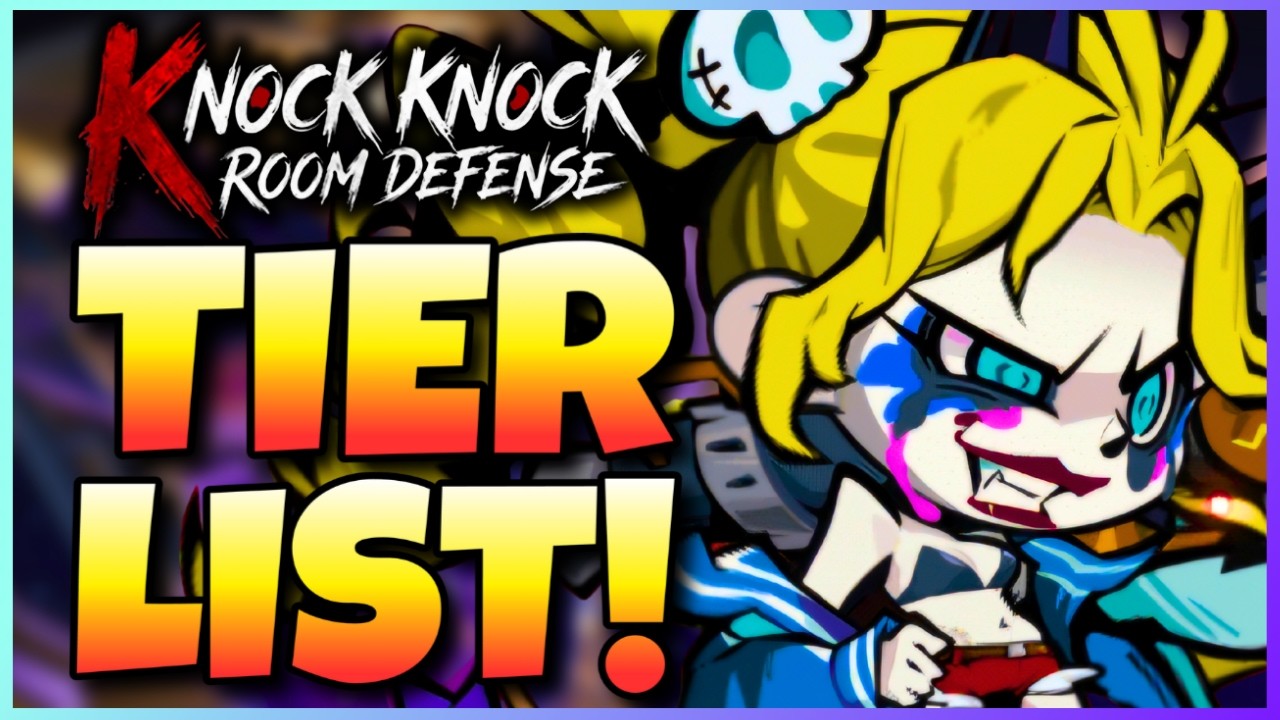

To clear high-difficulty stages in Knock Knock: Room Defense, concentrate your gold and upgrade materials on SSS-tier heroes like Doll units and Red Mythic crowd controllers before investing in secondary units. Maximize your core damage dealer first to hit major skill and stat power spikes rather than spreading resources evenly across your roster.
Top-Tier Hero Priorities
High-tier heroes provide the raw damage and utility necessary to withstand late-game enemy waves.
- Doll Archetype (SSS-Tier): Offers reliable baseline performance by combining sustained single-target or multi-target damage with defensive utility. Investing in a Doll hero reduces team reliance on random spawn rolls.
- Red Mythic Units: Mythic heroes with Red classification excel due to room-wide aura passives. These passives passively boost the effectiveness of internal room defenses and all stationed allies in that specific room.
- Crowd Control Specialists: Prioritize Mythic and SSS units that apply slow or delay effects over heroes that rely solely on single-target burst damage. Stalling incoming enemy hordes gives your primary damage dealers time to clear the board.
Hero Evaluation Criteria
Avoid spending resources on F-tier heroes that suffer from low stat scaling, long skill cooldowns, or excessive deployment costs. Use these criteria when deciding whether to upgrade a character:
| Feature | SSS & Red Mythic Units | Low-Tier (F-Tier) Units |
|---|---|---|
| Primary Function | Sustained DPS, slow/delay crowd control, room passives | High deployment cost with minimal utility |
| Skill Consistency | High skill uptime or constant room aura buffs | Long, unreliable skill cooldowns |
| Stat Scaling | Scales smoothly into late-game enemy health pools | Early stat plateau; quickly becomes a liability |
| Resource Priority | Heavy investment until key power spikes | Zero upgrade investment |
Before upgrading a new character, evaluate their performance against three main checks:
- Deployment Cost vs. Impact: Confirm that the hero's board impact justifies their deployment cost over upgrading internal room structures.
- Skill Reliability: Ensure their crowd control or damage abilities trigger consistently rather than relying on long, easily wasted cooldowns.
- Difficulty Curve Scaling: Verify that their stat gains keep pace with rising enemy health pools in higher waves.
Team Composition and Room Layout Strategy
Building a successful defense requires matching your team choices to room geometry and stage conditions.
- Establish a Carry: Place one fully upgraded SSS-tier hero in your primary defensive line as your main damage carry.
- Add Utility Supports: Fill remaining slots with units that provide room-wide stat buffs or enemy movement debuffs, even if those support units are A-tier rather than top rarity.
- Match Heroes to Room Geometry: Position corridor-focused units in narrow hallways to maximize straight-line damage, while reserving open room layouts for wide-area crowd controllers.
- Adjust for Unlocks: Swap support characters as you unlock new room types and encounter different wave compositions.

Emily Johnson
Emily writes practical mobile strategy guides with a focus on resource planning, base progression, and the early decisions that shape a long-term account.
COMMUNITY
Player Comments
152 players commented on this guide.
The tips are practical and easy to follow.
This guide answered the exact question I had.
Can you add more details about early game in a future update?
This saved me time in the early game.