
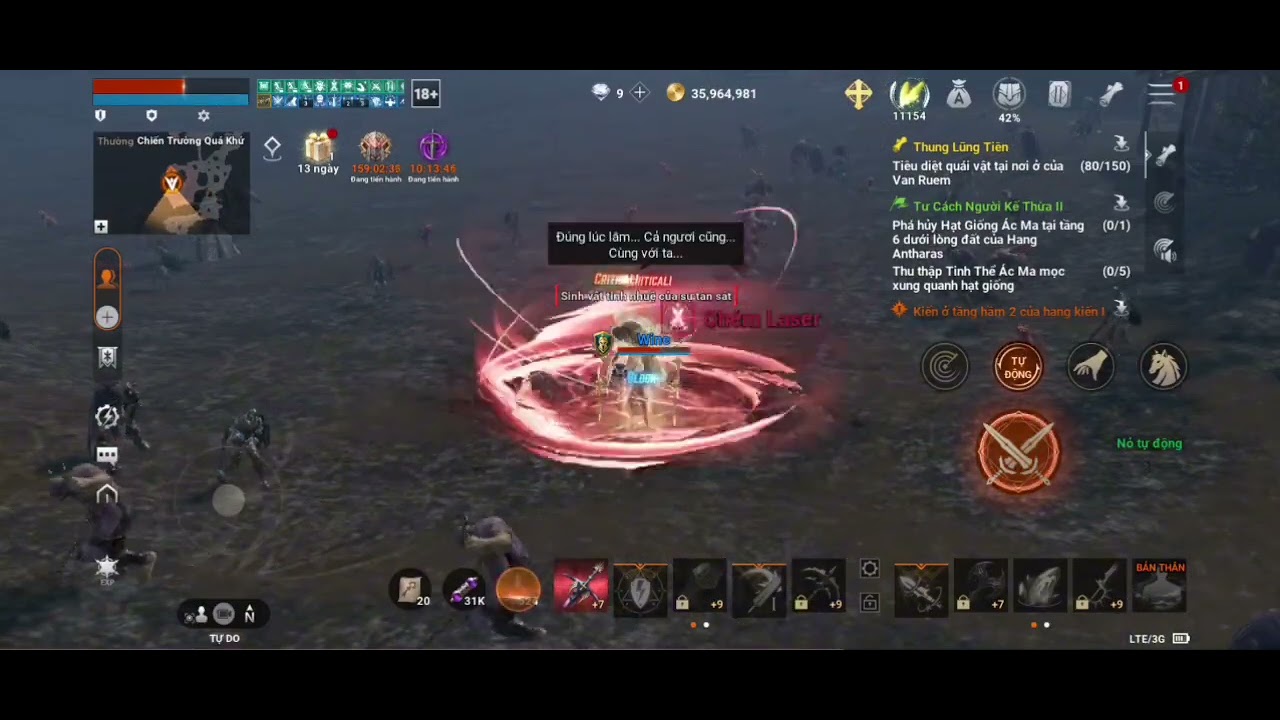
To run a reworked Dual Blade character with full Tier 1 Red (Heroic) skills in Lineage2M, prioritize your single-target burst strike in your primary auto-cast slot, keep self-buffs running continuously, and balance your Mana Point (MP) recovery so the build does not stall during extended grinding rotations.
The class rework addresses historical pain points by cutting post-cast animation delays and smoothing the transition from active abilities into auto-attacks. With a full Tier 1 Red loadout, the archetype transitions from a slow single-target fighter into a high-cadence cleave specialist that bridges mid-game Blue skills and high-end Purple skills.
Tier 1 Red Skill Roles and Priority
A full Tier 1 Red loadout divides into gap closing, high-multiplier burst, front-arc area clearing, and passive stat augmentation.
| Skill Type | Combat Function | Key Benefit | Auto-Cast Setup |
|---|---|---|---|
| Opener / Charge | Gap closer | Closes distance; applies stagger or defense debuffs | Auto-cast on cooldown |
| Primary Red Strike | Single-target burst | High-multiplier damage to eliminate Elite targets | Highest priority auto-slot |
| AoE Cleave Skill | Front-arc wave clear | Clears clustered secondary monsters | Secondary auto-slot in dense zones |
| Self-Buff / Mastery | Stat augmentation | Boosts attack speed, double-hit rate, and penetration | Continuous auto-buff |
Set your offensive self-buffs to cycle automatically in the background so every attack benefits from increased double-hit chance and penetration. In combat, trigger the gap closer first to close distance and apply initial debuffs, followed immediately by your primary Red single-target strike. In dense packs, follow the opener with your AoE cleave skill so adjacent monsters take damage while your basic swings finish off the main target.
Quickbar Configuration and Auto-Combat Settings
Setting up quickbars properly prevents empty auto-attack dead zones caused by skill cooldown offsets:
- Secondary Quickbar: Place long-duration self-buffs and masteries here with swipe-down auto-activation toggled on. This keeps your main display focused on situational skills.
- Primary Quickbar: Place your primary Tier 1 Red single-target strike in the first auto-cast position. Assign your secondary cleave skill to the next slot.
- Combat Scanning Range: Set your targeting radius to short or medium in settings. Limiting targeting distance prevents the AI from running across the zone to tag distant spawns, keeping your character inside dense mob clusters where cleave attacks deal maximum total damage.
Managing Mana and Resource Sustain
Running multiple active Red skills significantly increases your per-minute MP drain. If your MP pool empties, skill chaining stops and your DPS drops to baseline swings.
- Soulshot Reserves: Maintain an ample stock of Soulshots toggled on to meet damage thresholds during burst windows.
- Gear Modifiers: Equip accessories and enchants that provide flat MP Recovery (TIC) and Skill MP Cost Reduction.
- Consumables: Keep active timers on combat haste potions, stat food buffs, and mana regeneration elixirs before farming high-tier spots.
- Farming Adjustments: If your mana continues to deplete during auto-combat, switch your highest-cost AoE skill from auto-cast to manual. This reserves your remaining MP pool for your primary single-target Red strike and ongoing self-buffs.
Defensive Boundaries and Melee Limits
A full Tier 1 Red skill setup provides substantial offensive scaling, but it does not grant innate damage immunity. The Dual Blade remains an upfront melee class vulnerable to high incoming burst damage, crowd control, and defense checks.
If you push into farming zones where enemy damage exceeds your potion recovery rate and evasion stats, offensive output alone will not keep your character alive. Pair your skill progression with armor enhancements, defensive codex completions, and damage reduction stats before moving to higher monster tiers.

Free Lineage2M Codes
Current active codes and how to redeem them.

James Brown
James focuses on Android gaming on PC, emulator setup, controls, performance tuning, and practical troubleshooting for longer play sessions.
COMMUNITY
Player Comments
135 players commented on this guide.
The tips are practical and easy to follow.
Good guide for Lineage2M players. The strategy part was useful.
This guide answered the exact question I had.
Can you add more details about strategy in a future update?