
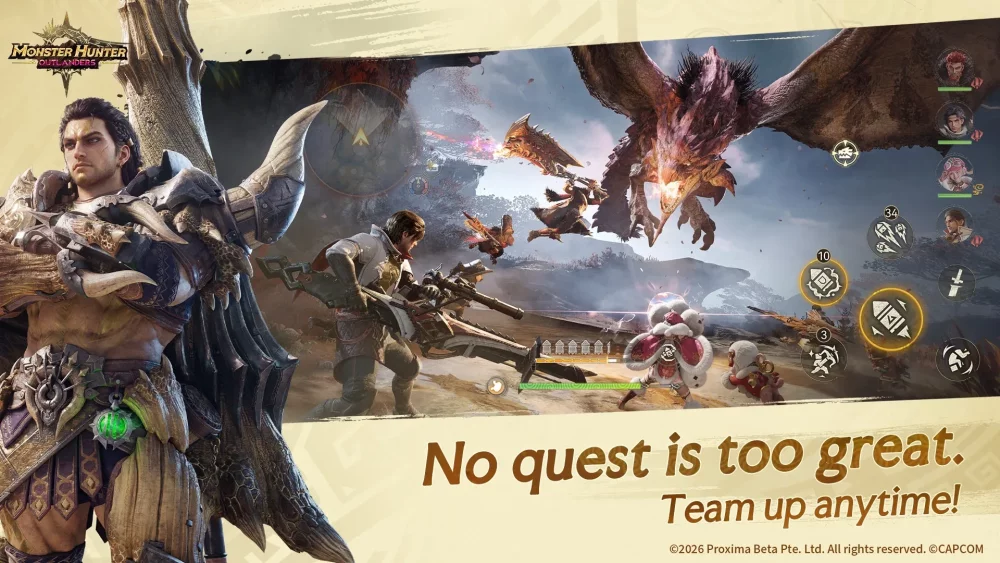
To maximize exploration efficiency in Monster Hunter Outlanders, integrate parkour movement, terrain scouting, and node gathering directly into your travel routes between targets. Combining fluid traversal with ongoing resource collection minimizes travel downtime and ensures you enter every fight with a tactical advantage.
Open-World Movement and Navigation
Efficient map navigation relies on using fluid movement to maintain momentum while traversing vertical terrain and dense biomes.
- Pacing and Stamina: Monitor your stamina depletion while sprinting or climbing across long distances to avoid stranded vulnerability.
- Elevated Routes: Use high-level walkways, ridge paths, and parkour transitions to move quickly and remain out of reach of aggressive minor wildlife.
- Vantage Points: Climb trees or cliffs to scout surrounding areas without prematurely alerting nearby monsters.
Gathering Resources on Travel Routes
Gathering materials works best when integrated into standard travel paths rather than separated into dedicated farming sessions.
- Identify Node Clusters: Note high-density gathering areas and hidden ledges while moving through a biome for the first time.
- Collect on the Go: Harvest plants, mineral nodes, and environmental materials along your active line of travel toward a hunt objective.
- Restock Routinely: Keep your crafting supply fully stocked by hitting known resource spots during every travel leg to prevent progression bottlenecks at higher gear tiers.
Environmental Tracking and Scouting
Instead of relying strictly on linear footprints or locked track points, use the environment to spot target monsters visually from a distance.
Gain high ground before committing to an attack. Looking down from elevated terrain allows you to observe a monster's interactions with local wildlife, identify when it stops to rest, and choose an ideal entry angle. Use this scouting window to apply gear buffs, organize items, and initiate combat on your own terms.
Tactical Terrain Usage in Combat
The surrounding map layout provides several natural combat advantages if leveraged intentionally during a hunt:
- Plunging Attacks: Drop down from elevated ledges onto large monsters to deal heavy damage and build progress toward mounting mechanics.
- Funneling: Lure mobile or aggressive targets into tight corridors to restrict their movement options and lock down attack angles.
- Crowd Control: Force fast-attacking monsters into complex, cluttered terrain to disrupt their attack patterns and create momentary recovery windows.
Managing Map Progression and Overextension
While expansive biomes offer broad freedom of movement, pushing too far into unfamiliar territories can expose you to high-difficulty monsters beyond your gear level.
To maintain steady progression, set a specific objective for each outing, such as hunting a single target or exploring a designated sub-region. Clear smaller regional goals before advancing deeper into high-level zones.

Free Monster Hunter Outlanders Codes
Current active codes and how to redeem them.

Michael Smith
Michael covers live-service games, events, reward systems, and efficient daily routines, turning frequent updates into clear actions for players.
COMMUNITY
Player Comments
58 players commented on this guide.
I tried this today and it worked better than my old setup.
The tips are practical and easy to follow.
This guide answered the exact question I had.
This saved me time in the early game.