
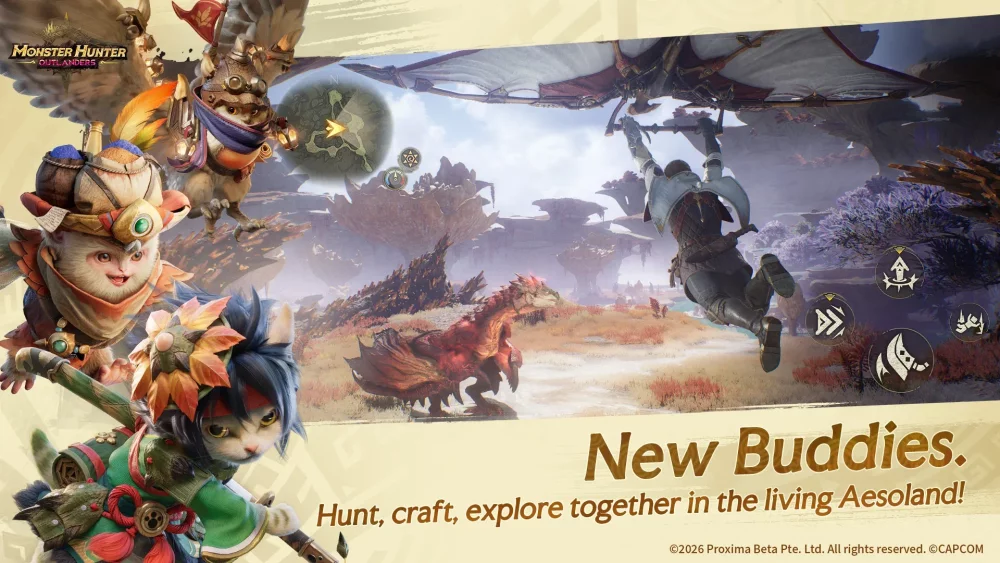
Cooperative hunting in Monster Hunter Outlanders is the core of the endgame experience. Success in high-stakes multiplayer hunts requires more than just high-level gear; it demands synchronized efforts to manage monster aggression, chain crowd-control (CC) effects, and maximize team-wide damage windows. When hunters operate as a cohesive unit, hunt times drop significantly, and the risk of party wipes—even against formidable foes like the Radiant Prismatic Dragon—is minimized.
This guide explores the mechanical nuances of multiplayer engagement, providing the expertise needed to transition from a solo player to a reliable, high-performing teammate.
Synchronizing Target Focus for Maximum DPS
Efficiency in Monster Hunter Outlanders multiplayer begins with unified target selection. When facing large monsters, spreading damage across different body parts or chasing different limbs often leads to chaotic combat and wasted stamina.
To maximize your group’s effectiveness, your team should focus fire on a specific breakable part or a critical weak point simultaneously. This "focus fire" approach triggers staggers and downs significantly faster than individual efforts.
- Coordinate the Down: Once a monster is downed, the entire team should shift focus to the same target point to maximize DPS during the limited recovery window.
- Avoid Overlap: If a heavy-hitting Great Sword user is focusing the head for a stun, avoid attacking the legs unless you are specifically coordinating a trip. Uncoordinated hits can cause the monster to shift its posture, potentially causing the heavy hitter to miss their high-damage combo.
- Communication: Utilize in-game pings or markers to designate which part the team is targeting first, especially when hunting monsters with valuable rare drops locked behind specific part-breaks.
Leveraging Character Utility for Crowd Control
Every hunter in Monster Hunter Outlanders brings unique utility to the field. Rather than spamming your strongest attacks, you must prioritize abilities that interrupt a monster’s attack animation or provide squad-wide buffs.
Crowd control (CC) is a finite resource. If your team stacks all their CC abilities—like flashes, traps, or status-inducing skills—at the start of the fight, you will be left vulnerable during the monster’s enraged phase.
- The "Recovery Frame" Strategy: Observe the monster’s patterns. Save your most impactful crowd-control skills for the moments immediately after it finishes a massive attack. This creates a "safe window" for your teammates to recover stamina or sharpen weapons.
- Role Assessment: Evaluate your party composition at the start of the hunt. If your group lacks a dedicated support, you must be more disciplined with your utility cooldowns. If you are a support-heavy character, prioritize your buffs when the monster is transitioning between areas or entering an enraged state.
Navigating Monster Aggression and Positioning
Understanding "aggro" mechanics is the difference between a clean hunt and a chaotic scramble. In Monster Hunter Outlanders, the monster typically targets the hunter dealing the highest DPS or the one positioned closest to its center mass.
If you find yourself as the primary target, do not panic and kite the monster across the entire arena. Kiting forces your teammates to waste stamina chasing the monster rather than dealing damage. Instead, hold your ground near the group, focusing on parries or dodges to keep the monster stationary.
Optimal Positioning Roles:
- Frontline Hunters: Focus on maintaining the monster's attention. Use defensive skills to absorb or dodge hits to keep the monster pinned in one location.
- Support Hunters: Position at mid-range to provide buffs or status effects without drawing unnecessary aggro. This ensures you remain available to heal or cleanse teammates.
- Burst/Ranged Hunters: Wait for staggers or downs before committing to long, high-damage animation cycles. Ensure you are not in the line of fire of the monster’s primary target.
Strategic Environment and Resource Management
The open-world environments in Monster Hunter Outlanders offer tactical advantages that many players overlook. In multiplayer, these hazards—such as explosive barrels, environmental traps, or ledge-climbing opportunities—are force multipliers.
- Luring: If you are the monster’s current target, try to position yourself near environmental hazards. A well-placed lure can lead the monster directly into a trap, providing a free window for the entire team to unload their ultimate abilities.
- Stamina Conservation: Never over-commit to an attack animation if you notice the monster shifting its gaze toward you. Conserving a portion of your stamina for evasive maneuvers is more valuable than landing one extra hit, as it keeps you in the fight and prevents the monster from moving to a different sector of the map.
Common Mistakes to Avoid in Multiplayer
Even experienced hunters can fall into bad habits. To ensure your multiplayer sessions remain efficient, avoid these common pitfalls:
- Ignoring Part-Break Priorities: Don't chase the tail if the team is clearly focusing the head for a stun. Follow the team's lead to ensure the monster goes down faster.
- Over-Healing: In the heat of battle, some players prioritize healing even when at 80% health. Rely on your support or your own defensive parry skills, and only heal when truly necessary to avoid wasting precious DPS time.
- Blocking Team Synergy: If you are using a weapon with a wide swing radius, be mindful of your teammates. Don’t knock your allies out of their attack animations or interrupt their combos.
- Failure to Adapt: If a specific strategy (like trapping the monster in a specific location) isn't working, don't force it. Adapt to the monster’s current health pool and enraged state to find a new opening.
By focusing on synchronized target selection, disciplined utility usage, and respectful positioning, you will find that Monster Hunter Outlanders becomes significantly more rewarding in a team setting. Always communicate with your squad, observe your teammates’ tendencies, and play to the strengths of your specific character build to dominate the hunt.
Free Monster Hunter Outlanders Codes
Current active codes and how to redeem them.

Michael Smith
Michael covers live-service games, events, reward systems, and efficient daily routines, turning frequent updates into clear actions for players.
COMMUNITY
Player Comments
147 players commented on this guide.
This saved me time in the early game.
Nice guide. I am checking the other Monster Hunter Outlanders articles next.
I tried this today and it worked better than my old setup.
This helped me understand strategy much better.