
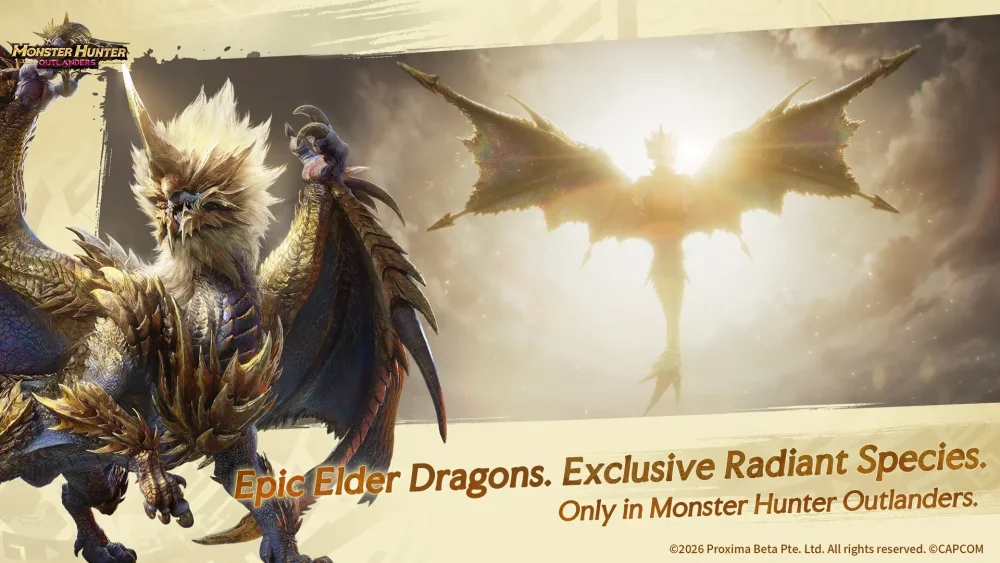
To truly excel in Monster Hunter Outlanders, players must understand that the game is the result of a long-standing, strategic partnership between Capcom and Tencent. By identifying the development philosophies carried over from past collaborative projects—most notably the influential Monster Hunter Online—you can better anticipate the game's progression systems, monetization strategies, and combat mechanics. This guide provides the expert context needed to navigate the evolving world of Monster Hunter Outlanders and manage your expectations for its live-service environment.
The Collaborative DNA: Capcom Meets Tencent
Monster Hunter Outlanders represents a fusion of two distinct design philosophies: Capcom’s legendary focus on precise, skill-based "weighty" combat and Tencent’s expertise in massive, scalable mobile service architecture. This is not the first time these giants have teamed up; the technical lessons learned from previous collaborative ventures have been poured into the framework of Outlanders.
Understanding this lineage is vital because it explains the game's pivot toward an open-world exploration model. While traditional Monster Hunter titles often focus on instanced, mission-based quest loops, Outlanders utilizes a seamless, expansive map design. This shift is a direct response to the demands of the mobile market, which requires a sense of constant world-building and environmental interaction. Recognizing this allows you to stop expecting a "classic" console experience and start playing to the strengths of a modern, persistent mobile world.
Learning from the Monster Hunter Online Legacy
Monster Hunter Online (MHO) served as a massive, experimental test bed for features that have now matured in Monster Hunter Outlanders. During the MHO era, the developers experimented with high-fidelity visual standards and refined weapon mechanics designed to bridge the gap between niche hardcore appeal and broader mass-market accessibility.
When playing Monster Hunter Outlanders, you will notice combat flows that echo the technical adjustments made for MHO. However, there are key differences:
- Accessibility vs. Complexity: Where MHO sought to simplify PC inputs, Outlanders is optimized for touch-screen interfaces. This means weapon combos have been streamlined to ensure responsiveness without losing the "feel" of a heavy weapon strike.
- Content Pacing: The development team has moved away from the regional constraints of their previous projects, aiming for a global, synchronized content delivery model.
- Visual Fidelity: Outlanders utilizes modern mobile engines to replicate the high-fidelity visual standards that MHO pioneered for the franchise years ago.
Mastering the Mobile-First Combat Systems
The transition to mobile devices is the most significant departure from the series' history. Monster Hunter Outlanders implements specific "auto-assistance" and simplified control schemes that are designed to lower the barrier to entry without stripping away the series' core identity.
To succeed in combat, you must lean into these design choices rather than fighting them:
- Utilize Input Optimization: Do not attempt to replicate exact console-style button mashing. Instead, leverage the game’s context-sensitive action buttons that prioritize the most effective move based on your current distance to the monster.
- Adaptive Camera Control: The game features advanced camera-lock systems specifically built for mobile screens. Mastering these prevents the "screen-clutter" common in mobile action games.
- Environmental Integration: Because the maps are larger and more interactive than in older titles, use your environment—such as vertical terrain and harvesting nodes—to gain tactical advantages during encounters.
Progression and Service-Based Economics
Because Monster Hunter Outlanders is built on a live-service architecture, your progression is governed by different rules than traditional offline games. The partnership between Capcom and Tencent emphasizes "sustained engagement," which manifests in specific ways:
- Stamina and Daily Gates: Expect mechanics that regulate your daily hunting activities. Efficient players prioritize their daily stamina usage on high-value monster parts or seasonal event tokens to stay ahead of the meta.
- The Seasonal Cycle: Content is delivered in cycles. Unlike static titles, the monster roster will rotate, meaning you should focus on upgrading gear that provides long-term utility rather than gear designed for a single niche encounter.
- Gacha and Resource Management: The "Games-as-a-Service" model often involves acquiring equipment or character upgrades through randomized systems. Strategic players save their premium currency for "pity" milestones or guaranteed event rewards rather than spending impulsively on early-game gear.
Strategic Outlook for the Global Player
For players in Western markets, the connection between these developers provides a clear roadmap for what to monitor. The development team has a history of responding to community feedback by adjusting monster hitboxes, balance, and event frequency.
How to Stay Ahead:
- Watch for Patch Notes: Given the developer’s history, balance updates are frequent. Follow the official channels closely to see which weapons receive buffs or nerfs, as the "meta" in Monster Hunter Outlanders will likely shift faster than in console-only entries.
- Prioritize Community Events: These are the primary sources for unique materials that cannot be farmed through standard exploration. If an event is active, it should be your top priority.
- Manage Expectations: Understand that you are playing a game designed for long-term retention. You will hit "progression walls" that are intended to be overcome through either time-investment or long-term tactical planning.
Final Thoughts: The Evolution of the Hunt
View Monster Hunter Outlanders not merely as a mobile port, but as the latest evolution of a multi-year partnership between two industry titans. By applying the knowledge of their development history—specifically their transition from PC-based Online experiences to mobile-first global service—you can avoid the common pitfalls of frustration and burnout.
Focus your efforts on mastering the optimized touch controls, participating in the seasonal loops, and building gear that survives the inevitable meta-shifts. By understanding the "why" behind the game’s design, you position yourself as an expert hunter ready to tackle whatever the Radiant Prismatic Dragon and future updates have in store.

Free Monster Hunter Outlanders Codes
Current active codes and how to redeem them.

James Brown
James focuses on Android gaming on PC, emulator setup, controls, performance tuning, and practical troubleshooting for longer play sessions.
COMMUNITY
Player Comments
129 players commented on this guide.
Good guide for Monster Hunter Outlanders players. The strategy part was useful.
I tried this today and it worked better than my old setup.
Nice guide. I am checking the other Monster Hunter Outlanders articles next.
Can you add more details about strategy in a future update?