
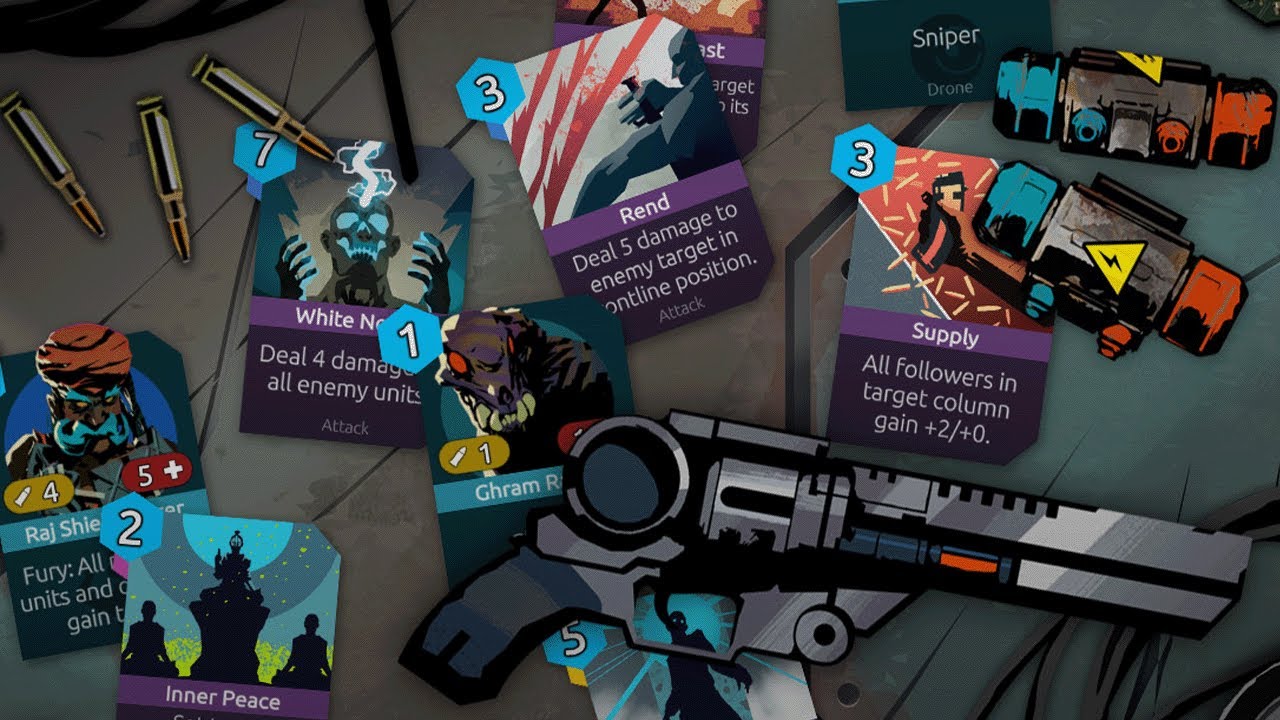
In Nowhere Prophet, survival is not just about winning tactical skirmishes; it is about managing a fragile society on the brink of collapse. You are the leader of a nomadic caravan navigating the unforgiving world of Soma. Because your deck of cards is physically represented by the followers in your caravan, every tactical decision in combat has long-term consequences on your deck’s viability. To succeed, you must move beyond simple combat tactics and master the delicate balance of food management, injury mitigation, and strategic recruitment.
The Relationship Between Combat and Unit Health
In Nowhere Prophet, your health bar is effectively your army. Unlike traditional CCGs where units are disposable resources, here, your followers are your deck. When a unit falls in battle, they sustain an injury. If a unit is already injured and falls again, they are permanently removed from your deck and the game.
This creates a high-stakes "triage" system. You must constantly evaluate which units can afford to take damage and which must be protected at all costs.
- The "Glass Cannon" Rule: Keep high-damage, low-health units in the backline or behind barricades. Never expose them unless the trade-off guarantees a win.
- The Tanking Strategy: Utilize followers with high health or "Shield" generating abilities to soak up damage.
- Injury Management: If a key follower is injured, play conservatively in the next combat encounter. If your core damage dealers are wounded, your deck's "power level" is effectively halved.
Managing Food and Caravan Morale
Food is the primary currency of travel in Nowhere Prophet. Every hex on the procedural map consumes precious supplies. When your food stores hit zero, your caravan begins to starve, which causes morale to plummet.
Low morale is a death spiral. It makes your followers less effective in combat and triggers negative events that can lead to desertion, loss of resources, or permanent stat debuffs. To maintain your caravan:
- Buffer Your Supplies: Always prioritize purchasing food at settlements over minor equipment upgrades. A well-fed caravan is more resilient to random events.
- Route Planning: When choosing your path on the map, look for nodes that provide food scavenging opportunities. If you are low on supplies, it is often better to take a "safe" path with fewer combat encounters than to risk a high-reward path that drains your remaining food.
- The Morale Threshold: Keep an eye on your morale meter. If it is trending downward, prioritize resting or choosing event options that restore hope, even if they cost resources.
Strategic Selection During Random Events
The narrative events you encounter are not just flavor—they are vital resource management challenges. Each event presents a dilemma: sacrifice health, lose food, or gamble with your followers' lives.
- Assess the Long-Term Cost: An event that grants you a "Rare Card" in exchange for an injury to a core follower is almost always a bad trade. A powerful card is useless if your deck is too small or your units are too weak to survive the next fight.
- Use Your Resources as a Buffer: If an event asks you to sacrifice food to save a follower, do it. Food is replaceable; your unique, leveled-up followers are not.
- Contextual Decision Making: If you are near a settlement, you can afford to take more risks. If you are deep in the desert far from a shop, play for survival, not for gains.
Optimizing Deck Composition Through Recruitment
Your deck is a living organism. Adding every unit you find will bloat your deck and make it impossible to draw your best cards when you need them. A streamlined deck is a powerful deck.
- Synergy Over Raw Power: Don't just pick the unit with the highest attack. Pick units that support your current playstyle. If you have cards that generate shields, recruit followers that benefit from staying on the board longer.
- Pruning the Roster: At camp, you have the opportunity to refine your deck. If you have "chaff" units—followers who are weak and don't provide utility—consider removing them if the opportunity arises. A smaller deck ensures you draw your "win conditions" more frequently.
- Utility is King: In the late game, units that can heal other followers or manipulate the board state are vastly superior to basic attackers. Always prioritize recruiting followers who can mitigate the permanent injury mechanic.
Long-Term Sustainability and Expedition Success
The procedural nature of Nowhere Prophet means that predictability is your greatest enemy. To reach the end of the map, you must shift your mindset from "winning the fight" to "surviving the journey."
- Avoid Unnecessary Skirmishes: Not every battle needs to be fought. If your caravan is bloodied and your food is low, it is strategically sound to bypass a dangerous encounter if a stealth or avoidance option presents itself.
- Invest in Passives: Look for caravan upgrades that improve food efficiency or grant passive healing. These upgrades save you turns and health, which are the most valuable assets in the game.
- The "Endurance Race" Mentality: You are not trying to win one massive battle; you are trying to reach the end of the map with a functional crew. If your key cards are injured, treat them like glass. If you are low on food, treat your movement like a limited resource.
Summary of Tactical Priorities
| Scenario | Priority | Action |
|---|---|---|
| Early Game | Recruitment | Focus on building a lean, efficient deck with low-cost units. |
| Mid Game | Preservation | Prioritize healing and injury prevention over new, risky recruits. |
| Late Game | Sustainability | Focus on passive buffs and avoiding unnecessary combat to reach the end. |
By mastering these systems, you stop fighting against the game's difficulty and start managing your resources with the precision of a true Prophet. Remember: a leader who loses their people is no leader at all. Protect your followers, manage your food, and your caravan will survive the harsh, shifting sands of Soma.

Free Nowhere Prophet Codes
Current active codes and how to redeem them.

James Brown
James focuses on Android gaming on PC, emulator setup, controls, performance tuning, and practical troubleshooting for longer play sessions.
COMMUNITY
Player Comments
146 players commented on this guide.
The explanation is clear, especially for beginners.
I wish I had read this before upgrading the wrong thing.
This guide answered the exact question I had.
Nice guide. I am checking the other Nowhere Prophet articles next.