
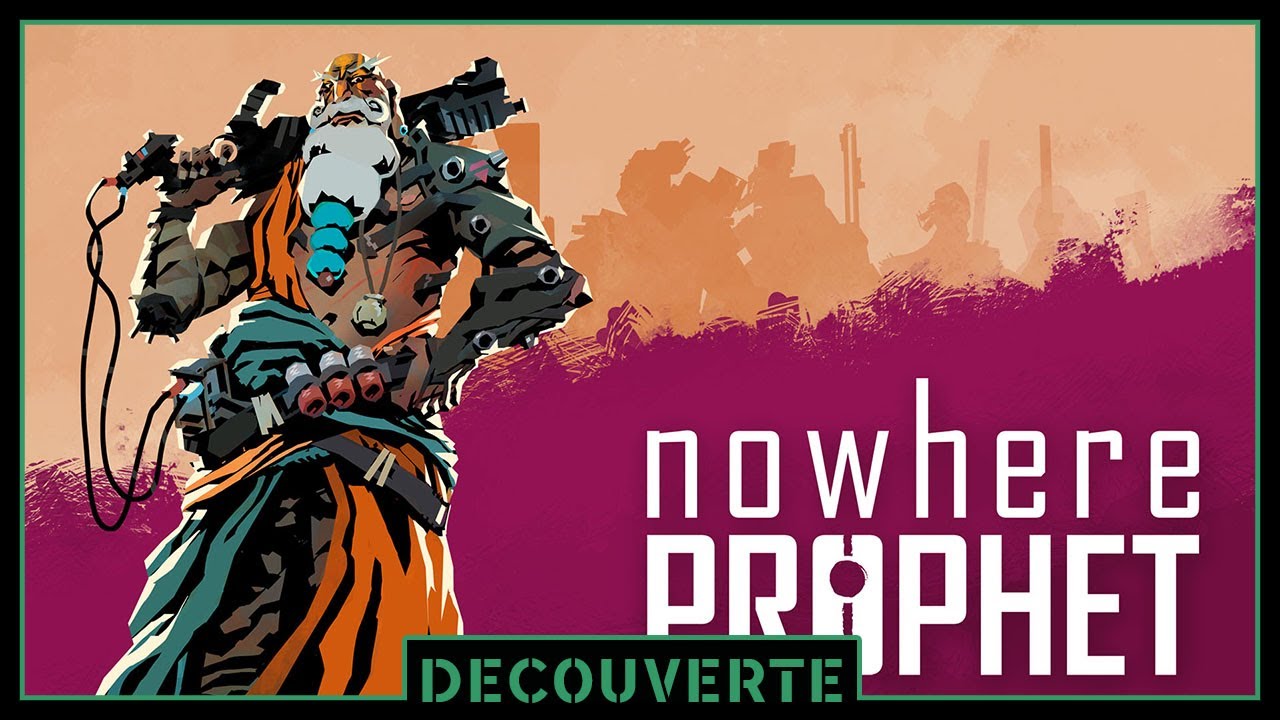
In Nowhere Prophet, you are not just a commander; you are a shepherd leading a fragile caravan through a post-apocalyptic desert. To succeed, you must treat your deck not merely as a collection of combat tools, but as a living reflection of your caravan’s survival capacity. Every card represents a follower whose health, recruitment cost, and tactical synergy determine whether your journey ends in triumph or ruin. By mastering the intersection of deck maintenance, resource management, and tactical positioning, you ensure your caravan remains resilient enough to handle the game's escalating difficulty.
The Relationship Between Deck Size and Combat Reliability
In Nowhere Prophet, your deck size is a direct measure of your tactical consistency. A bloated deck filled with low-impact or situational cards dilutes your ability to draw key units during high-pressure turns. Because encounters scale in intensity as you progress through the map, you need your strongest followers to appear with high frequency.
Strategies for a Lean Deck:
- Aggressive Pruning: Whenever you reach a campfire, prioritize removing "dead weight" cards. Weak, generic units that served you in the early game will become liabilities as you encounter tougher enemies.
- Quality Over Quantity: It is tempting to add every new follower you encounter, but a massive deck makes your strategy predictable and unreliable. Only add cards that provide immediate board presence or offer powerful, game-changing utility.
- Synergy Focus: If your deck is built around a specific playstyle—such as buffing low-cost units or utilizing high-damage glass cannons—remove cards that don’t contribute to that specific win condition.
Managing Follower Health as a Persistent Resource
Unlike most deck builders where cards are discarded and refreshed, followers in Nowhere Prophet are persistent assets. If a unit takes damage in combat, that damage follows them back to the map screen. If they reach zero health, they are "wounded" and removed from your deck until you spend precious resources to heal them.
Tactical Survival Tips:
- The Front-Line Buffer: Position high-health, defensive followers in the front lanes to soak up damage. These "tanks" are essential for protecting your fragile, high-damage units.
- Sacrifice vs. Preservation: Sometimes, the best tactical move is to sacrifice a disposable unit to prevent your leader or a high-value follower from taking damage. Always calculate the cost of a "wounded" unit versus the cost of losing a winnable fight.
- Rotational Healing: Keep a reserve of followers. If your primary hitters are injured, rotate them out of your active deck and slot in healthy, secondary units. This keeps your caravan moving without forcing you to spend excessive food on medical supplies.
Tactical Recruitment and Resource Allocation
Your caravan is limited by the food and luxury items you can scavenge. Every follower you recruit increases your daily consumption, creating a delicate balance between having enough firepower to win fights and enough resources to survive the trek.
Recruitment Best Practices:
- Cost-to-Utility Ratio: Evaluate new recruits based on what they bring to the table. A unit that helps you generate resources or provides passive buffs is often more valuable long-term than a unit that simply deals damage.
- Sustainability Check: Before accepting a new follower, check your current food reserves. If you are struggling to feed your current group, adding another mouth will only force you to take riskier paths on the map to find supplies.
- The "Luxury" Cost: Remember that luxury items are not just for trade; they are often required for specific events. Don't spend all your luxuries on recruitment if it leaves you unable to resolve non-combat events that could provide better rewards.
Navigating Procedural Events and Risk Assessment
The map in Nowhere Prophet is procedurally generated, meaning no two runs are identical. Your ability to read the map and manage risk is just as important as your combat prowess.
How to Approach the Map:
- Pathing for Sustainability: Don’t always take the path with the most combat encounters. If your deck is full of wounded followers, prioritize paths that lead to events where you can rest, heal, or find food.
- Calculating Risk vs. Reward: Elite enemies often guard high-tier loot. If your current deck is struggling with basic mobs, avoid these elite nodes. A "safe" path that yields fewer resources is better than a forced "game over" because you lost your best units in a high-risk gamble.
- Event Literacy: Learn which events allow you to gain powerful artifacts. These are your best opportunities to build synergy, but they often require a sacrifice. Always ensure your caravan can afford the cost before engaging.
Maximizing Artifact Synergy
Artifacts are the most potent way to scale your deck’s power in the mid-to-late game. They provide global bonuses that can fundamentally change how you play.
How to Leverage Artifacts:
- Dynamic Deck Building: Never finalize your deck-building strategy until you have a few artifacts. If you find an artifact that buffs "Ranged" units, prioritize recruiting Ranged followers immediately to maximize that bonus.
- Strategic Re-evaluation: Artifacts can turn a "dead" card into a power play. If an artifact reduces the cost of specific units, that unit suddenly becomes a high-priority pick during recruitment.
- The Cumulative Effect: The goal is to reach a state where your artifacts and your follower roster reinforce each other. When your units gain passive bonuses from your artifacts, your combat effectiveness increases exponentially, allowing you to punch well above your weight class.
Common Mistakes to Avoid
Even experienced players can fall into traps that shorten their runs. Avoiding these common errors is the key to reaching the end of the wasteland:
- Over-recruiting: Do not feel obligated to take every survivor you find. A bloated, starving caravan is a slow death sentence.
- Neglecting the "Remove" Option: Many players ignore the option to remove cards at campfires. A lean deck of 15–20 high-quality cards is almost always better than a massive deck of 40+ cards.
- Ignoring Health Management: Treat every point of health as a precious resource. If you consistently finish battles with units on the brink of death, you are playing too aggressively.
- Static Strategy: If you try to force a specific deck archetype that the game isn't giving you the cards for, you will fail. Be flexible and adapt your strategy based on the units and artifacts the game provides in each specific run.
By maintaining a lean deck, protecting your followers as persistent resources, and aligning your units with powerful artifacts, you will master the challenges of Nowhere Prophet. Every run is a lesson; treat every loss as an opportunity to refine your decision-making and better prepare your caravan for the next journey through the wastes.

Free Nowhere Prophet Codes
Current active codes and how to redeem them.

Emily Johnson
Emily writes practical mobile strategy guides with a focus on resource planning, base progression, and the early decisions that shape a long-term account.
COMMUNITY
Player Comments
80 players commented on this guide.
I wish I had read this before upgrading the wrong thing.
This saved me time in the early game.
I tried this today and it worked better than my old setup.
This guide answered the exact question I had.