
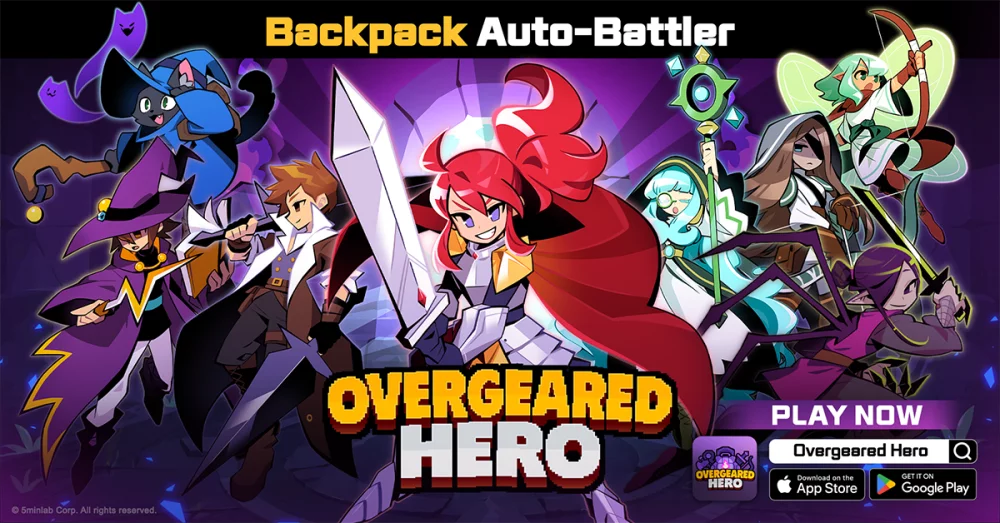
Conquering Chapter 51 in Overgeared Hero requires a fundamental shift in how you view your inventory. As the enemy density ramps up, single-target precision becomes a liability. To succeed, you must embrace the "Spark" synergy—a build centered on high-frequency, chain-reaction electrical damage that effectively deletes screen-wide mob waves before they can close the distance. This guide breaks down the mechanics, inventory management, and strategic adjustments needed to master this high-octane playstyle.
Understanding the Spark Mechanic
The Spark synergy is the most potent tool for mid-to-late game progression in Overgeared Hero. Unlike physical builds that rely on weapon-based damage scaling, Spark acts as a force multiplier. When you equip items with the Spark tag, your hero gains the ability to trigger electrical discharges that jump between targets.
The brilliance of this build lies in its exponential scaling. Every additional Spark-related item you add to your backpack doesn't just add a flat amount of DPS; it increases the frequency and "chain" potential of your attacks. In Chapter 51, where mobs arrive in thick, overlapping waves, Spark ensures that your hero is dealing damage to ten enemies at once rather than focusing on a single unit. If your Spark frequency is high enough, the screen becomes a constant loop of electrical procs, preventing enemies from ever reaching your hero’s immediate vicinity.
The Strategy of Inventory Optimization
In Overgeared Hero, your backpack is your engine. For a Spark build, you cannot afford to have "dead" slots. Every item in your grid must either be a primary Spark generator or a component that boosts the efficiency of those generators.
1. Centralized Core Components
Position your highest-tier Spark gear in the central slots of your backpack. In many map configurations, central items have a broader reach for their passive bonuses. By anchoring your build in the middle, you ensure that even if you have to place utility items on the perimeter, the "web" of electrical synergy remains unbroken.
2. Prioritizing Merge Tiers
Resist the urge to hoard low-tier items. A single Tier 3 or Tier 4 Spark item is mathematically superior to three Tier 1 items. Higher-tier gear provides not only better base stats but also increased proc chances and potentially unique passive abilities that trigger secondary Spark chains. Focus on merging your components as quickly as your gold or resources allow during the early waves of the chapter.
3. Maintaining the Feedback Loop
Your goal is to reach a "critical mass" where the Spark procs are constant. Monitor the visual density of the electrical effects on your screen. If you notice large gaps in the damage output where mobs are walking through unscathed, you are likely lacking enough Spark-triggering items. Use your remaining slots to fill in these gaps with lower-tier Spark items until you can upgrade them.
Wave Progression and Battlefield Control
Chapter 51 is a test of attrition. You will face several distinct waves that increase in intensity. Your strategy should evolve based on the current stage of the chapter:
- Early Waves: Focus on building your foundation. Do not worry about perfection; merge aggressively to clear the initial trash mobs and gather the currency needed for better items.
- Mid-Chapter: This is where the difficulty spikes. If you find your hero taking damage, it is likely because your "damage perimeter"—the area around your hero where enemies are destroyed—is too small. Re-evaluate your layout to ensure Spark gear is touching as many other Spark items as possible to maximize synergy bonuses.
- Late Waves: Transition from "building" to "optimizing." By this point, your core build should be set. Use your final slots to merge remaining small items into a single, high-impact piece to maximize your damage output for the final boss.
Managing Trade-offs: The Single-Target Dilemma
The biggest risk of the Spark build is its relative weakness against single, high-health targets like the Chapter 51 boss. Because your damage is spread out across a wide area, your total DPS against one unit can feel underwhelming.
To solve this, treat your backpack as a flexible system. You do not need 100% of your slots to be dedicated to Spark. Reserve at least one or two slots for a "Boss-Killer" item—a piece of gear that provides high single-target scaling or crit damage. This insurance policy ensures that while your Spark setup clears the waves, you still have the necessary punch to finish off the boss once the screen is clear.
Common Mistakes to Avoid
Many players fail in Chapter 51 because they fall into these common traps:
- Over-diversification: Do not mix elements. If you are running a Spark build, do not waste slots on Fire or Ice items that do not contribute to your electrical chain reactions. Stick to one synergy to ensure maximum efficiency.
- Neglecting Merges: Keeping four low-tier items on the board when you could merge them into one high-tier item is a major error. It wastes space and limits the power of your passives. Always prioritize merging.
- Ignoring Defensive Utility: While damage is king, a dead hero deals zero DPS. If you are consistently dying before the boss, swap out a low-tier Spark item for a defensive utility item that grants health or damage reduction. A slightly slower clear is better than a failed run.
Final Decision Making
As you approach the boss of Chapter 51, look at your board one last time. If you have "junk" items—low-tier pieces that don't fit the build—sell them or force a merge. The end of the chapter rewards those who have a streamlined, high-synergy backpack.
The Spark build is not just about raw power; it is about creating a rhythmic flow of combat. By keeping your gear merged, your core items centralized, and your single-target insurance ready, you will find that Chapter 51 shifts from an insurmountable wall into an efficient farming run. Trust the synergy, keep your board clean, and let the lightning do the work for you.
Free Overgeared Hero Codes
Current active codes and how to redeem them.

Sarah Williams
Sarah specializes in RPG and collection games, explaining team building, character growth, and beginner-friendly ways to avoid expensive early mistakes.
COMMUNITY
Player Comments
97 players commented on this guide.
The tips are practical and easy to follow.
I tried this today and it worked better than my old setup.
Nice guide. I am checking the other Overgeared Hero articles next.
This saved me time in the early game.