
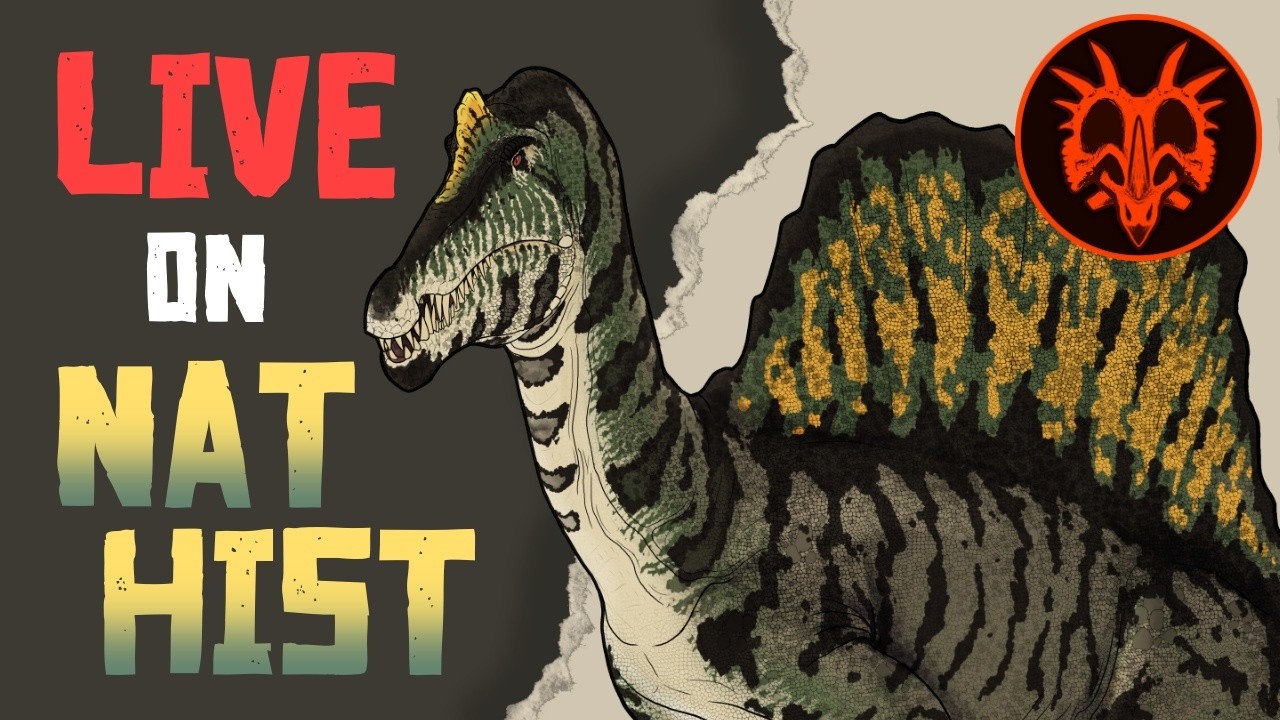
To grow a Ceratosaurus on the NatHist semi-realism server in Path of Titans, stay hidden in peripheral biomes to accumulate passive growth ticks, sustain your hunger through burrows and abandoned carcasses using your scavenger diet, and obey server combat rules to avoid lethal encounters with apex predators.
Passive Growth and NatHist Server Rules
Unlike official Path of Titans servers that rely heavily on quest grinding for progression, NatHist runs on a passive growth system where your dinosaur gains size over set real-time intervals. Survival and patience are your top priorities: staying alive safely yields consistent progress without requiring dangerous excursions into contested points of interest.
Because NatHist is a semi-realism server, specific gameplay rules govern player interactions:
- Body-down rules: Once a combat encounter results in a casualty, fighting must stop immediately so the victor can claim the kill. Do not interfere with or linger near an active body down.
- Carcass tethering and territory: Predators must defend their claimed kills within established territory boundaries. Avoid encroaching on an occupied carcass, but monitor the site from a distance; once hunters satiate their hunger and the carcass timer expires, they must abandon the remains.
- Pursuit limits: Attackers cannot chase targets indefinitely across the map. Breaking line of sight in heavy brush frequently forces a pursuer to end the hunt under server guidelines.
Juvenile and Adolescent Survival
Early growth stages leave the Ceratosaurus with low combat weight, modest health, and limited stamina. You cannot fight off raptors or established mid-tier carnivores, making acoustic discipline and camouflage essential.
- Maintain silence: Never use vocal calls or friendly broadcasts. Nearby predators track audio cues across biomes to locate easy prey.
- Conserve stamina: Walk or crouch through cover. Sprint only when actively breaking an ambush line.
- Use canopy cover: Rest under thick foliage and forest canopies to hide from aerial predators such as Hatzegopteryx while waiting out growth ticks.
- Leverage natural camouflage: The Ceratosaurus features a compact frame and muted coloration that blend well with fallen logs, rocks, and dense ferns.
Foraging With the Scavenger Diet
Ceratosaurus features a resilient digestive system that tolerates rotten meat, bones, and salt deposits without inflicting severe sickness or dehydration penalties. This eliminates the need to hunt live player targets while growing.
- Burrows and critters: Maintain your hunger meter by excavating small mammal burrows or catching ambient AI critters such as lizards and turtles.
- Scavenging bones and carrion: Scan for abandoned carcass sites left behind by larger carnivores. Skeletons and decaying meat provide safe, hassle-free meals after apex predators abandon their kills.
Safe Biomes vs. Central Hotspots
Avoid central map areas such as Impact Crater, Grand Plains, and Green Valley. These regions attract roaming apex packs, territorial herbivores, and heavy carnivore traffic that will easily eliminate a juvenile or adolescent Ceratosaurus.
Instead, route your growth through outer zones such as Burned Forest, Whistling Columns, and Stego Mountain. These peripheral regions provide quiet collection quests—such as gathering rocks, branches, pinecones, and mushrooms—that grant steady marks alongside passive growth. Accumulating marks early allows you to purchase bite modifications, hide upgrades, and essential abilities before reaching full size.
| Growth Stage | Primary Objective | Primary Threats | Survival Strategy |
|---|---|---|---|
| Juvenile | Accumulate passive growth and forage burrows | Raptors, small carnivores, flying scouts | Hide in dense brush; maintain strict vocal silence and conserve stamina |
| Adolescent | Complete peripheral collection quests | Solo mid-tiers, roaming carnivore pairs | Scavenge abandoned carcasses; stick to outer biome borders |
| Sub-Adult | Unlock combat abilities and hides | Territorial apexes, large herbivores | Travel through broken terrain; avoid unprovoked territorial fights |
| Adult | Form packs and defend territory | Apex hunting packs, high-tier mixpacks | Form server-compliant packs; enforce carcass claims under NatHist rules |
Defensive Evasion Tactics
If an encounter becomes unavoidable as a sub-adult, do not attempt to trade hits in a straight fight against heavier mid-tiers like Daspletosaurus or Allosaurus.
- Exploit turning radius: Do not sprint across open fields where faster pursuers can run you down. Weave through dense tree stands and narrow rock corridors where your tighter turn radius forces larger pursuers to overshoot their attacks.
- Use defensive snaps: If a predator closes distance, land quick defensive bites to punish aggressive lunges, then immediately resume retreating.
- Break line of sight: Dive into deep brush or rocky crevasses to cut visibility. Once visual contact is broken, NatHist pursuit limits generally require the predator to break off the chase.
Reaching adulthood gives your Ceratosaurus the combat weight, bone break utility, and defensive durability needed to claim territory, form compliant packs, and hunt actively under NatHist rules.
Free Path of Titans Codes
Current active codes and how to redeem them.

Michael Smith
Michael covers live-service games, events, reward systems, and efficient daily routines, turning frequent updates into clear actions for players.
COMMUNITY
Player Comments
66 players commented on this guide.
The explanation is clear, especially for beginners.
This guide answered the exact question I had.
Good guide for Path of Titans players. The strategy part was useful.
The tips are practical and easy to follow.