
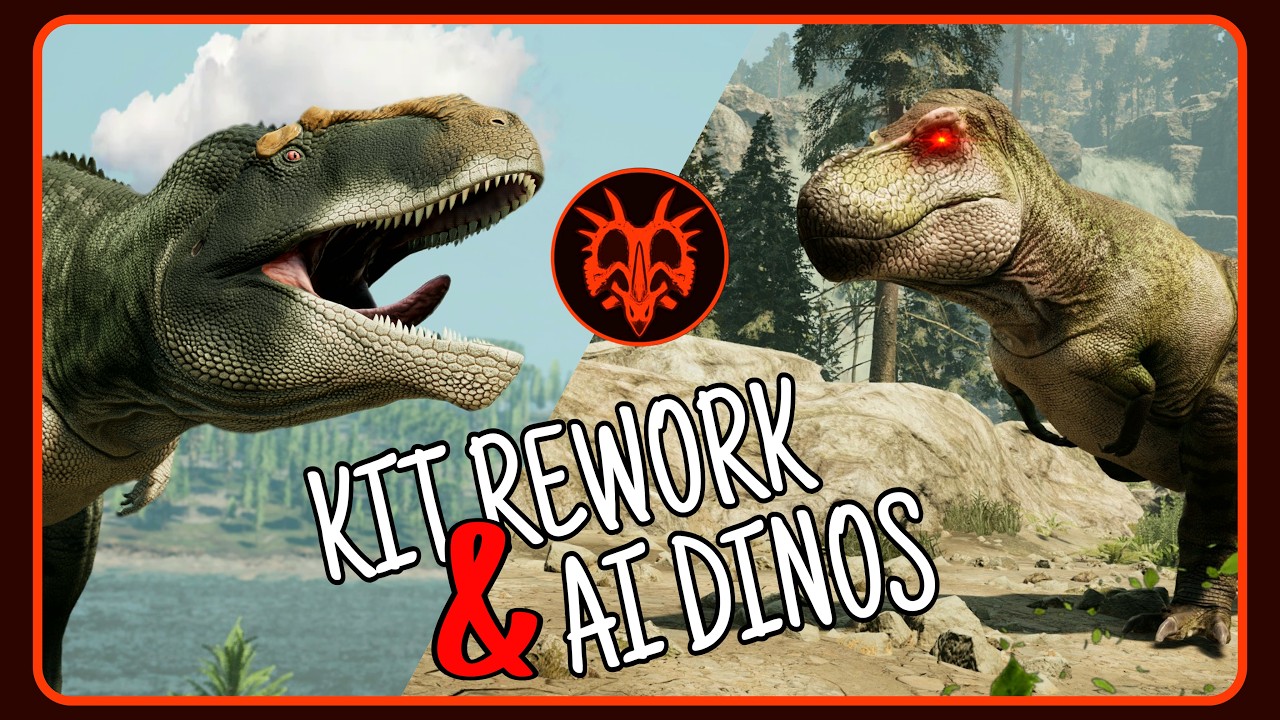
The Path of Titans devblog details major upcoming systems centered on territorial nesting, expanded dinosaur customization, and targeted combat rebalances. To prepare for these features, packs must shift from nomadic roaming to fixed-point territorial defense, prioritize defensible geography near freshwater, and adapt combat tactics to adjusted stamina and weight scaling across species tiers.
Constructing Nests and Raising Juveniles
Nesting introduces claimable plots that anchor packs to a single territory to incubate eggs and grow juveniles safely. Completing a functional nest requires a sequence of site claiming, resource gathering, and ongoing maintenance.
- Claim a Ground Plot: Locate a valid ground marker in your chosen territory and interact with the central footprint to register the site for your pack.
- Gather Construction Materials: Collect local structural items from the surrounding biome, including sticks, dry branches, reeds, and soft foliage.
- Upgrade the Nest Mound: Deposit bundles at the marker to advance the nest through construction tiers, transitioning the site from a basic dirt mound into an insulated structure. Carrying construction materials locks out bite, headbutt, and claw attacks, leaving gathering dinosaurs defenseless. Solo players should gather during quiet server hours, while packs should post guards at surrounding choke points.
- Incubate Egg Clutches: Once the nest is complete, adult dinosaurs deposit eggs to start an active incubation timer. Adults must periodically tend the nest to prevent environmental decay from reducing egg health.
- Invite Juvenile Spawns: When eggs mature, pack leaders can invite friendly players to spawn directly into the nest as juveniles, bypassing random global spawns.
While nesting grants hatchlings immediate adult protection and food access, it introduces significant operational risks. Hatchlings consume stored meat and plants rapidly, produce loud distress vocalizations, and emit scent markers that draw predators. Adults must coordinate staggered foraging runs to replenish food stores without leaving the nest unattended.
Choosing a Defensible Nesting Site
Securing an optimal territory is critical before initiating construction. Placing a nest in open, high-traffic points of interest such as Impact Crater or central Green Hills exposes your pack to roaming megapacks.
When selecting a site, evaluate three geographical requirements:
- Natural Bottlenecks: Build on elevated cliff ledges, within narrow canyon corridors, or inside dense thickets. These features restrict attacker approach angles and let defending adults utilize heavy headbutts and tail sweeps against frontal assaults.
- Accessible Freshwater: Secure a clean drinking source within a short sprint. Avoid water bodies easily controlled or blockaded by aquatic ambushers like Sarcosuchus.
- Secondary Escape Corridors: Always ensure the nest site has rear exit ledges or tight crevices. If an overwhelming force breaches the primary choke point, escorting adults and juveniles need a viable evacuation route before the site is overrun.
Customization Sliders and Sexual Dimorphism
The devblog overhauls visual customization with expanded saturation sliders, pattern tinting, and distinct physical traits between male and female dinosaur models. Dimorphic traits include differing dewlaps, crests, and feather arrangements.
Choosing skin configurations requires balancing environmental camouflage against quick pack recognition during combat:
- Ambush Camouflage: Muted greens, earth browns, and slate grays allow ambush predators like Ceratosaurus and Megalania to break up their silhouettes in river reeds, dense brush, and rock overhangs.
- Pack Identification: High-contrast secondary tones applied to dorsal ridges or crests help pack members identify friendly dinosaurs of the same species during night encounters or dense forest skirmishes.
- Visual Role Designation: Distinct male and female physical features, such as pronounced crests, allow groups to identify which pack members run heavy frontline builds versus agile skirmishing packages.
Bright, saturated patterns improve pack cohesion and visual intimidation, but they significantly increase your profile in open expanses like Grand Plains, making you visible from extreme distances.
Combat Rebalances Across Dinosaur Tiers
The update recalibrates interactions between solitary apex carnivores, coordinated mid-tier packs, and herd herbivores to curb one-sided dominance and emphasize positioning.
| Dinosaur Role | Balance Focus | Operational Advantage | Tactical Vulnerability |
|---|---|---|---|
| Apex Carnivores | Combat weight scaling & bite power | High burst damage and bone break capability | Tighter turn radiuses and punishing sprint stamina drain |
| Mid-Tier Hunters | Bleed pressure & sustained speed | Superior hit-and-run spacing and stamina retention | Low health pools vulnerable to focused knockback strikes |
| Herd Herbivores | Knockback resistance & defensive armor | Wide defensive attack arcs and heavy counter-damage | Limited pursuit speed over extended distances |
Apex carnivores can no longer run down lighter dinosaurs over long distances due to increased sprint stamina drain. Mid-tier packs must leverage hit-and-run bleed and venom pressure to wear down apex targets, while herd herbivores rely on enhanced knockback values and defensive armor to punish uncoordinated frontal rushes.
Free Path of Titans Codes
Current active codes and how to redeem them.

James Brown
James focuses on Android gaming on PC, emulator setup, controls, performance tuning, and practical troubleshooting for longer play sessions.
COMMUNITY
Player Comments
153 players commented on this guide.
This saved me time in the early game.
I wish I had read this before upgrading the wrong thing.
This guide answered the exact question I had.
The explanation is clear, especially for beginners.