
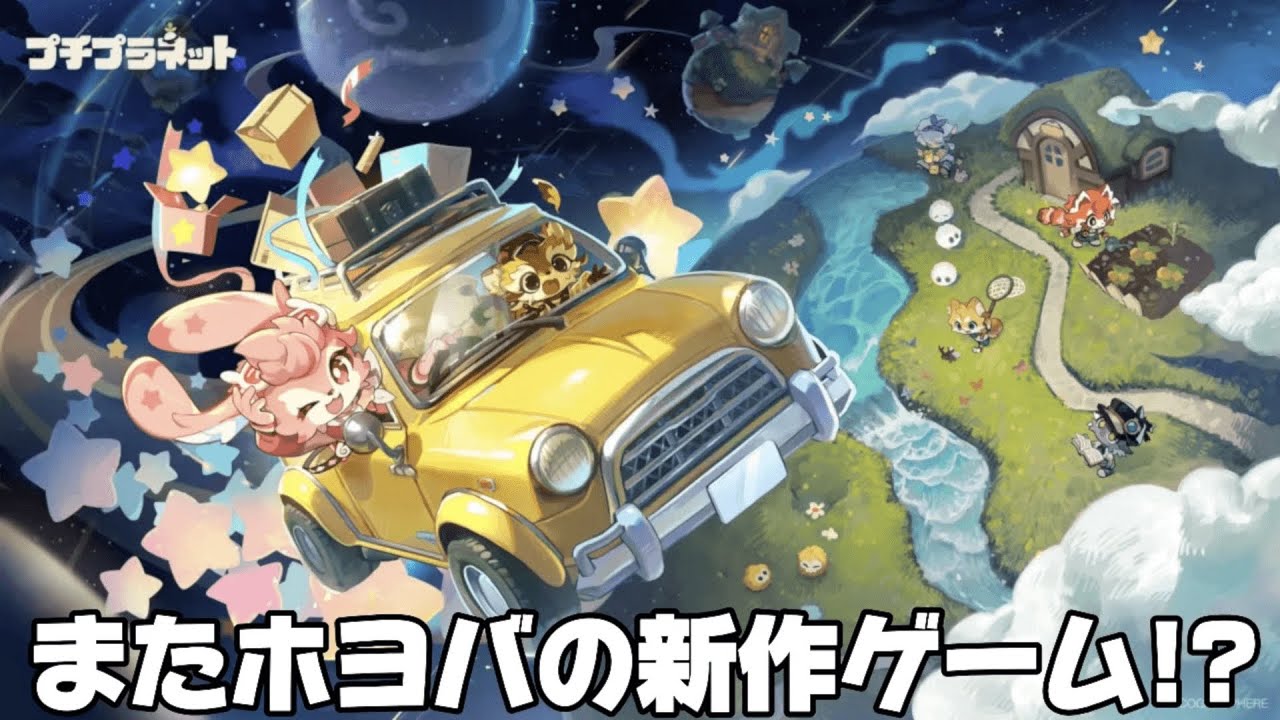
Petit Planet is a unique, creative exploration game that prioritizes environmental traversal and immersive character-driven interactions over traditional high-stakes combat. To succeed, players must shift their focus from rapid progression to intentional, long-term ecosystem management and mastery of the game’s proprietary movement mechanics. This guide provides the authoritative breakdown on how to gain early access, navigate the "slow-life" simulation loops, and optimize your experience during the game's development phases.
Navigating the Beta Registration Process
Securing a spot in a Petit Planet beta test is the first step toward understanding the game’s core systems. Because HoYoverse titles typically manage beta access through exclusive, invitation-only waves, your registration process must be precise to ensure your account is flagged correctly.
- Use Official Portals: Only register via the official HoYoverse links. Avoid third-party "early access" sites, as these are often phishing attempts.
- Maintain Account Health: Ensure your HoYoverse account is verified with an active email address. The selection algorithm often favors accounts with a history of consistent activity in other titles.
- Regional Awareness: Beta waves are often segmented by region to test server latency. If you are prompted to select a region during registration, ensure it aligns with your actual location to avoid connectivity issues that could hinder your ability to test traversal mechanics.
- Monitor Your Inbox: Invitations are delivered via the email address linked to your HoYoverse account. Check your "Promotions" or "Spam" folders frequently during announced testing windows, as these emails often have time-sensitive activation codes.
Understanding the "Slow-Life" Simulation Philosophy
Petit Planet diverges from the standard "grind-to-level" archetype, instead emphasizing a "slow-life" philosophy. This design choice changes how you should approach your day-to-day gameplay.
In most titles, players rush to reach the endgame. In Petit Planet, the "endgame" is the environment itself. The game rewards curiosity and patience. Your progress is measured not by character levels, but by your ability to navigate complex terrain and optimize the interactions between your character and the world.
Key Principles of Slow-Life Gameplay:
- Observation Over Action: Take time to watch NPC cycles. Understanding their patterns allows you to predict environmental changes and secure resources more efficiently.
- Environmental Synergy: Rather than forcing your way through terrain, look for natural paths. The game is designed for fluid movement; if you feel like you are struggling to climb or navigate, you are likely missing an intended traversal path.
- The Power of Stillness: Certain resource nodes or character interactions only trigger when you remain stationary in specific zones. Embracing the game’s slower tempo is often the key to unlocking hidden content.
Mastering Movement and Terrain Traversal
Movement is the primary mechanical challenge in Petit Planet. Unlike games where "walking" is a secondary function, traversal here is a skill set. The physics engine is tuned to respond to terrain, meaning your character’s momentum and posture matter.
- Momentum Management: When navigating slopes or uneven surfaces, your character’s speed will fluctuate. Use the sprint function sparingly; exhausting your stamina in difficult terrain can lead to "stumbling" states that leave you vulnerable or reset your progress.
- Traversal Tools: Keep an eye out for interactable objects that boost mobility. Mastering the timing of these gadgets is vital for reaching high-altitude areas where rare resources are often hidden.
- Terrain Interaction: Pay attention to how your character’s feet interact with the ground texture. Different surfaces (grass, sand, rock) offer varying levels of friction. Adjust your movement style accordingly to maintain stability in tricky zones.
Managing Expectations During Beta Phases
Beta testing is a sandbox environment. As a tester, your goal is to help the developers identify friction points in the user experience. Do not expect a polished, final-product experience; instead, prepare for "mechanical friction."
- System Stability: You may encounter bugs related to character clipping or collision detection. When these occur, use the in-game reporting tool. Documenting the location and the specific movement that caused the glitch is invaluable feedback.
- Gated Content: Developers often lock specific zones or story beats to prevent spoilers or to funnel testers into high-density areas for performance testing. If you reach a wall, don't assume the game is broken—it is likely an intentional boundary.
- Data Wipes: Always remember that progression made during a beta phase is rarely carried over to the full launch. Focus your efforts on learning systems and exploring mechanics rather than accumulating in-game wealth.
Social Interaction and Community Dynamics
Petit Planet is designed as a shared space. Your presence influences the atmosphere of the planet. While the game emphasizes a personal, "chill" journey, the social layer adds a layer of depth that will become more apparent as the game matures.
- Non-Verbal Communication: Use emotes and character gestures to interact with other players. Because the game focuses on a relaxing atmosphere, non-verbal communication is the primary way to establish community norms within a zone.
- Shared Objectives: While you are responsible for your own progression, you will often find that you and other players are working toward the same environmental goals. Coordinating (even silently) to clear paths or activate world triggers is a core part of the game's collaborative design.
- Feedback Loops: Engage with the community forums. Shared observations about movement difficulty or UI clarity are what shape the final version of the game. If a mechanic feels clunky to you, it likely feels clunky to others—speak up to influence the final design.
Final Expert Tips for Success
To get the most out of your time in Petit Planet, prioritize these three habits:
- Map Out Your Cycles: Treat your daily sessions like a routine. Start by checking your immediate environment for changes, then move to your primary objective. This consistency helps you learn the timing of environmental shifts.
- Optimize UI Settings: Early on, spend time in the settings menu. Adjust camera sensitivity and FOV to suit your playstyle. Because traversal is a major part of the game, a camera that feels unresponsive will make the game feel significantly harder than it actually is.
- Document Your Findings: If you find a particularly clever way to traverse a difficult cliffside or an efficient loop for resource gathering, take a screenshot or clip. Sharing these "pro-tips" with the community helps build the collective knowledge base for the game’s eventual full release.
By focusing on movement mastery, patience, and active community participation, you will not only excel in the Petit Planet beta but also establish yourself as a foundational player in the game's growing ecosystem.

Free Petit Planet Codes
Current active codes and how to redeem them.

Michael Smith
Michael covers live-service games, events, reward systems, and efficient daily routines, turning frequent updates into clear actions for players.
COMMUNITY
Player Comments
136 players commented on this guide.
Can you add more details about strategy in a future update?
The explanation is clear, especially for beginners.
I tried this today and it worked better than my old setup.
The tips are practical and easy to follow.