
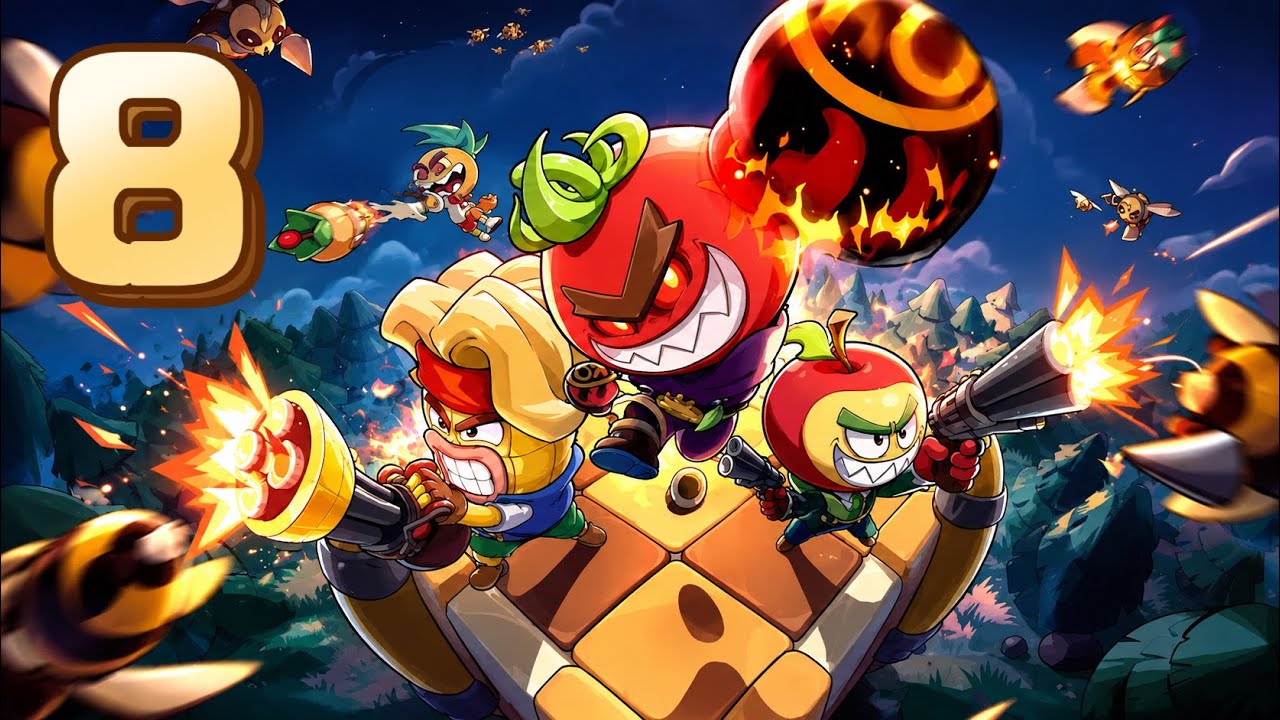
Surviving past Wave 40 in Plants on Fire requires a transition from early-game expansion to high-efficiency tactical management. As enemy density and health pools spike, the difference between a successful run and a board collapse lies in your ability to maintain high damage-per-second (DPS) output while keeping your grid flexible. This guide provides the expert strategies needed to manage your economy, optimize your unit roster, and dismantle boss-tier threats effectively.
The Foundation of Late-Game DPS: High-Tier Merging
The most common mistake players make in Plants on Fire is hoarding low-level units. While having a full board feels secure, it creates a "dps ceiling" that prevents you from overcoming the health inflation of mid-to-late game waves.
- The Power of Consolidation: A single Tier-4 unit will almost always outperform four Tier-1 units in both raw damage and ability utility. Prioritize merging as soon as your board reaches 70% capacity.
- Identify Your Carries: Not all plants are equal. Determine which units provide the best scaling—typically those with AoE (Area of Effect) or status-effect damage—and prioritize merging those specifically.
- Strategic Fodder: Use your lowest-performing units as fodder for your primary damage dealers. If a unit’s base damage no longer scales with the current wave's armor values, it should be the first candidate for a merge.
Mastering Board Space and Grid Logic
In Plants on Fire, board space is a resource just as valuable as your currency. If you fill every tile, you lose the ability to adapt to incoming enemy waves, essentially locking your defense into a static, inefficient state.
- The Rule of Three: Always aim to keep at least two to three grid slots empty. This "buffer zone" is critical for tactical flexibility, allowing you to deploy fresh units or perform emergency merges when a lane is breached.
- Centricity Matters: High-damage, high-range units should occupy the center of your board. This placement maximizes their "time-on-target" for enemies approaching from any direction.
- Edge Management: Use your edges for support plants—those that provide slowing effects, buffs to nearby units, or utility debuffs. By keeping support on the periphery, you ensure that your core damage dealers have the longest possible line of sight to oncoming waves.
Advanced Resource Economy and Timing
Spending resources the moment you earn them is a trap that often leads to bankruptcy when a boss appears. Successful Plants on Fire players treat their gold as an investment pool.
- Wave-Interval Spending: Use the brief cooldown period between waves to evaluate your board. If your current setup is comfortably clearing the lane, save your gold. This reserve is your insurance policy; if a boss spawns with unexpected abilities, you need that capital to rapidly reroll or upgrade units.
- Avoid Over-Commitment: Never spend your entire resource pool on a single type of unit unless it is a top-tier carry. Diversification is necessary for survival, but concentration is necessary for victory. Focus your upgrades on the units that have consistently been clearing the majority of the wave’s health.
Countering Boss and Elite Wave Mechanics
Bosses represent the primary "dps check" in Plants on Fire. They are designed to punish players who have relied on sheer numbers rather than quality. When a boss enters the field, your standard strategy must shift immediately.
- Stop Merging Non-Essentials: Once a boss appears, pause all minor merges. Your priority is ensuring your high-damage units have a clear lane.
- Target Priority: If your board has a mix of single-target and AoE units, focus your resources on upgrading your highest single-target damage dealer. AoE units are excellent for clearing mobs, but they often struggle to pierce the high-armor, high-health pools of elite bosses.
- Telegraphing and Timing: Study the boss's movement patterns. Most bosses have a distinct "wind-up" animation before executing a lane-clearing attack. If you notice a boss preparing to fire, use your buffer space to merge units quickly, potentially clearing a space to place a new, high-health, or high-damage unit to tank the hit or burst the boss down.
- Sacrifice for Success: Do not be afraid to sacrifice lower-tier units to create space for a powerful merge during a boss fight. It is better to have three high-level units focusing on the boss than six low-level units that are failing to break the boss’s damage threshold.
Strategic Adaptations to Meta Changes
The meta in Plants on Fire shifts frequently as developers adjust unit damage values and enemy behavior. To remain competitive, you must remain data-driven.
- Review Your Combat Log: If you fail a wave, analyze which units did the most damage. If a unit you previously considered "B-tier" starts appearing at the top of your damage meters, pivot your strategy to prioritize that unit’s growth.
- Redeemable Code Optimization: Always keep an eye on active redeemable codes released by the developers. These often grant currency or rare materials that can accelerate your ability to reach high-level upgrades. Using these to boost your base-level unit strength can provide the extra edge needed to push past Wave 40.
- The Feedback Loop: Treat each run as a test. If you are consistently losing to flying units or armored bosses, adjust your team composition to include more anti-air or armor-piercing plants. Never force a specific "meta build" if your current board state doesn't support it; flexibility is the ultimate survival trait in Plants on Fire.
By adhering to these principles—prioritizing high-tier units, maintaining your buffer zones, and managing your gold with long-term survival in mind—you will find that Wave 40 and beyond become a matter of tactical execution rather than overwhelming difficulty. Focus on the core of your board, keep your economy liquid, and adapt to the specific threats each wave presents.

Free Plants on Fire Codes
Current active codes and how to redeem them.

Emily Johnson
Emily writes practical mobile strategy guides with a focus on resource planning, base progression, and the early decisions that shape a long-term account.
COMMUNITY
Player Comments
75 players commented on this guide.
Nice guide. I am checking the other Plants on Fire articles next.
Can you add more details about strategy in a future update?
Good guide for Plants on Fire players. The strategy part was useful.
The tips are practical and easy to follow.