
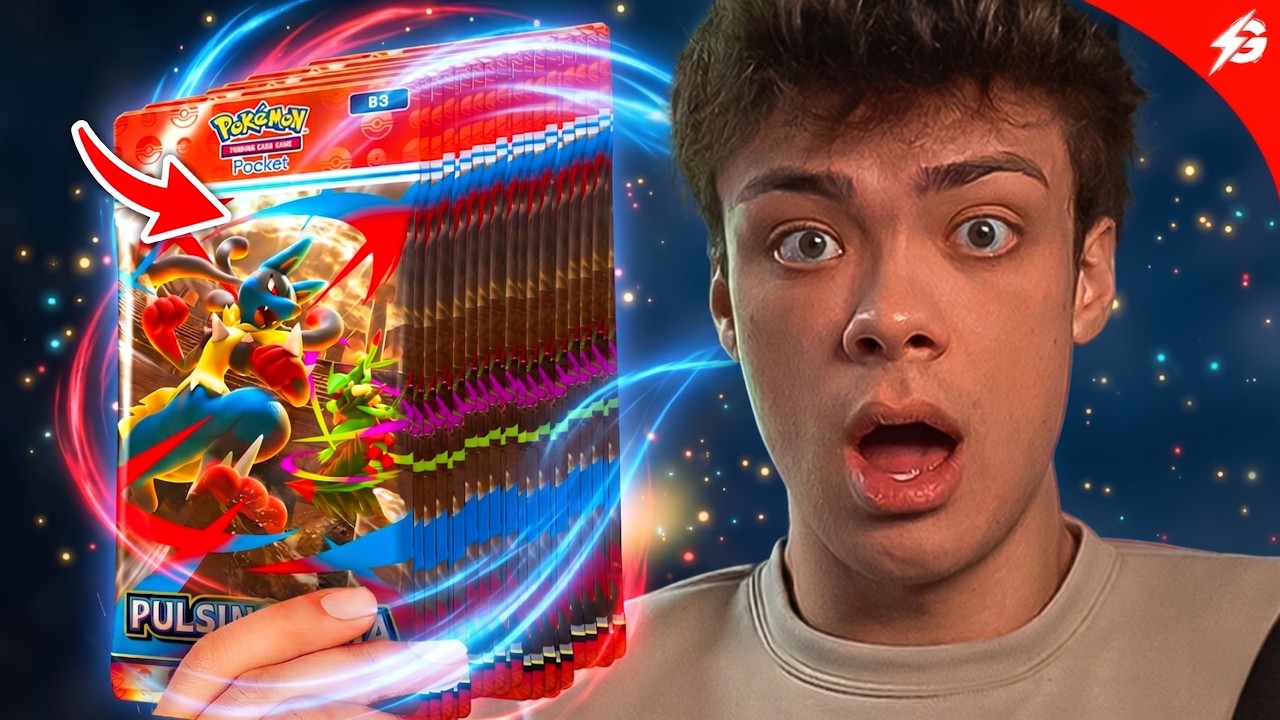
In Pokémon TCG Pocket, building a competitive deck relies heavily on your ability to acquire high-rarity cards efficiently. While the game’s core mechanics are dictated by Random Number Generation (RNG), players can gain a tactical advantage by understanding the visual cues embedded in the pack-opening process and applying disciplined resource management. By learning how to spot the "Pulsing Aura" and timing your mass openings, you can transition from casual pack-popping to a strategic collection-building approach.
Understanding the Pulsing Aura Animation
The most immediate piece of feedback you receive during an opening is the visual animation that precedes the reveal of your cards. The "Pulsing Aura" is a high-tier visual indicator that signals the pack contains something special. When you initiate an opening, keep an eye on the light effects surrounding the digital pack before it splits.
A Pulsing Aura—characterized by rhythmic, intensified light emanating from the pack—is a reliable "tell" that you are about to see at least one high-rarity card. This typically includes:
- EX Pokémon Cards: The backbone of most competitive decks.
- Full Art or Illustration Rares: High-value cards that are often the most difficult to pull.
- Special Holographics: Cards with unique texture or shine that denote higher rarity tiers.
While the animation guarantees a high-rarity outcome, it does not guarantee a specific card. Think of the Pulsing Aura as a notification that you have cleared the initial "luck check" for that pack. Recognizing this animation helps you quickly evaluate your luck during mass openings, allowing you to track whether you are hitting statistical averages or experiencing an outlier session.
The Strategy of Mass Pack Opening
Opening packs in bulk is significantly more effective than opening them individually over long periods. When you open 50 to 100 packs in a single sitting, you smooth out the variance inherent in RNG.
Why Bulk Opening Works:
- Statistical Normalization: Individual luck can be fickle. A single pack might yield nothing, but a large sample size allows the game’s defined drop rates to stabilize.
- Resource Efficiency: By waiting to amass a large number of pack tickets or Pokegold, you can target specific expansions. This prevents you from spreading your resources too thin across multiple sets, which rarely yields a complete, meta-relevant deck.
- Deck Synergy: High-level decks often require multiple copies of specific EX Pokémon. Mass openings provide the duplicate count necessary to craft or trade for the exact pieces you are missing.
Managing Expectations and RNG
It is vital to treat pack openings in Pokémon TCG Pocket as a long-term investment rather than a "get rich quick" scheme. Even with the Pulsing Aura, RNG will inevitably lead to "dry spells." If you approach the game with the mindset that every opening must yield a chase card, you will likely find the experience frustrating.
Instead, adopt a "pity-aware" strategy. If the game offers mechanics that increase your odds after a certain number of packs without a rare pull, track your progress. Understand that the goal is not to pull every card in the set, but to pull the core components of the current meta. If you hit your target EX Pokémon early in a mass opening, consider stopping to save remaining resources for a future expansion—a discipline that separates master collectors from impulsive players.
Identifying High-Value Targets
Not all high-rarity cards are created equal. When entering a new expansion, prioritize researching which cards are currently defining the meta. Use your resources to target these specific cards.
Rarity and Value Matrix
| Rarity Tier | Indicator | Strategic Value |
|---|---|---|
| Common/Uncommon | Standard | Essential for core deck consistency. |
| Rare/Holo | Standard Glow | Utility fillers and support cards. |
| EX/Full Art | Pulsing Aura | Meta-defining powerhouses and chase items. |
When you open a pack and see the Pulsing Aura, verify if the resulting card serves your current deck build. If you pull a rare card that doesn't fit your archetype, do not immediately discard it; it may become a vital trading chip for the cards you actually need.
Optimal Resource Management for Future Updates
Pokémon TCG Pocket is a live-service game, meaning the meta is constantly shifting. The most common mistake players make is spending all their resources on the first day of an expansion launch without a plan.
Tips for Sustainable Growth:
- The Reserve Rule: Always keep a buffer of tickets or currency. This ensures that when a new, meta-shifting expansion drops, you aren't left behind while other players are already building top-tier decks.
- Event-Driven Openings: Participate in limited-time events. Often, these events offer boosted odds or specific resources that make pack openings more efficient than they would be during standard play.
- Avoid "Chasing": If you are missing one specific card, the cost of "chasing" it through packs can be astronomical. Use trade features or crafting materials if the game allows, rather than burning your entire resource stockpile on a low-percentage gamble.
Conclusion: Turning Luck into Consistency
Success in Pokémon TCG Pocket is the intersection of identifying high-value pulls through visual cues like the Pulsing Aura and maintaining the discipline to manage your resources. By focusing on bulk openings to normalize your odds and keeping a steady eye on the shifting meta, you can build a formidable collection that stands the test of time. Remember: the rarest card is only as good as the deck it belongs to, so always prioritize the pieces that make you a stronger player on the battlefield.

Free Pokémon TCG Pocket Codes
Current active codes and how to redeem them.

Emily Johnson
Emily writes practical mobile strategy guides with a focus on resource planning, base progression, and the early decisions that shape a long-term account.
COMMUNITY
Player Comments
143 players commented on this guide.
The tips are practical and easy to follow.
I tried this today and it worked better than my old setup.
The explanation is clear, especially for beginners.
This guide answered the exact question I had.