
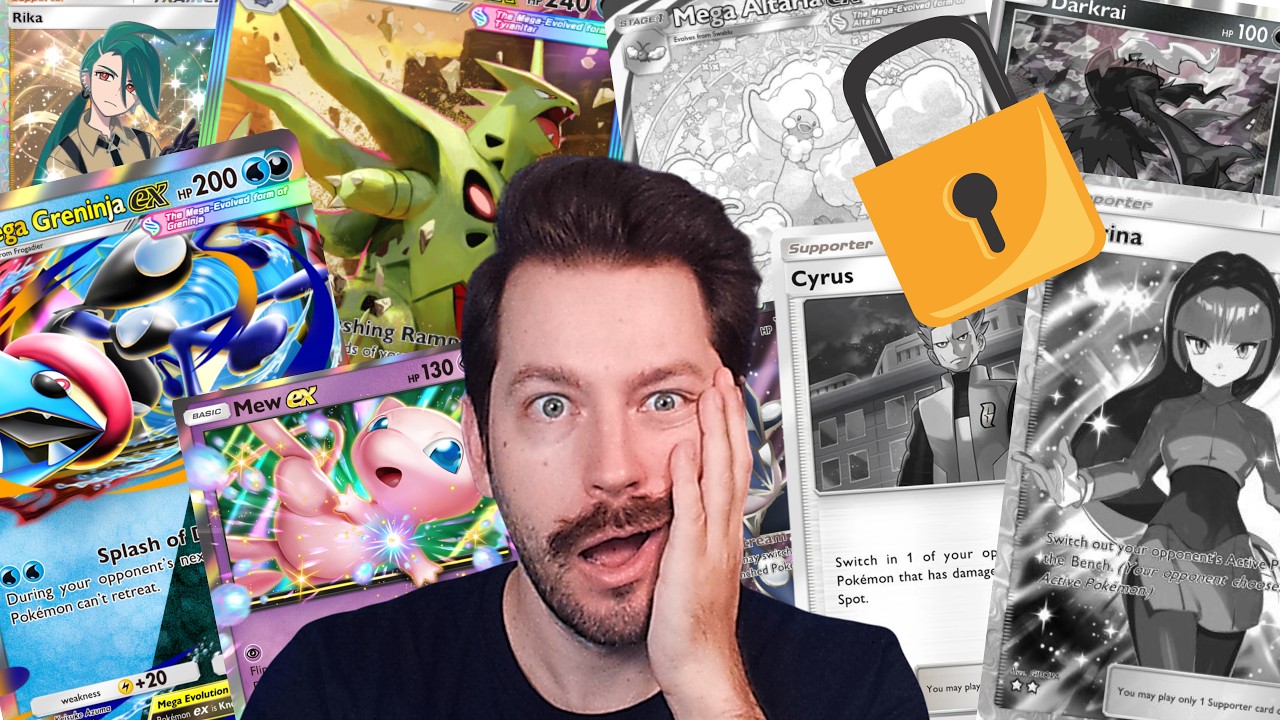
To win matches in the restricted Dual Fusion-only format of Pokémon TCG Pocket, build your 20-card deck exclusively using cards from the Dual Fusion expansion, limit your deck to no more than two energy types, and prioritize fast Stage 1 or Basic attackers over slow Stage 2 ex sweepers. Because universal legacy staples and search engines are unavailable, matches are determined by tight deck construction, strict energy attachment sequencing, and favorable point trades.
Deckbuilding Rules Without Legacy Staples
Removing historic staples forces every 20-card deck to generate its own consistency through native Dual Fusion cards. Without universal draw supporters and generic search items, apply these adjustments during deck construction:
- Maximize Native Draw Cards: Include full two-copy playsets of in-set Item and Supporter cards that draw or cycle cards, even if their effects are narrower than legacy alternatives.
- Run Complete Evolution Lines: Use two-copy playsets of your primary Basic and Stage 1 Pokémon. Avoid split lines or single-copy tech evolutions to minimize dead draws.
- Preserve Bench Space: You have only three bench slots. Reserve them strictly for energy-accelerating Pokémon or core utility backups rather than situational bench sitters.
- Cut Situational Techs: Niche counters frequently become unplayable dead cards in a compressed format. Dedicate flexible slots to reliable healing or direct damage modifiers.
Managing Dual-Type Attackers and Energy Requirements
Dual-type Pokémon offer a significant offensive advantage because they hit multiple weakness profiles against opponents who lack broad defensive tech options. However, Pokémon TCG Pocket limits manual energy attachments to one per turn, making split energy costs a primary operational bottleneck.
| Deckbuilding Element | Single-Type Archetypes | Dual-Type Archetypes |
|---|---|---|
| Energy Consistency | High; single energy pool prevents mismatched attachments | Moderate; requires strict multi-turn energy sequencing |
| Offensive Coverage | Narrow; relies primarily on neutral damage against off-types | Broad; pressures multiple elemental weaknesses |
| Setup Speed | Fast; attacks can activate by turn one or two | Methodical; requires multiple turns of energy staging |
| Deck Space | Flexible; leaves room for utility items and healing | Strict; requires tight card counts to balance two energy types |
If you field dual-type attackers, cap your list at two energy types. Splashing three or more types leads to mismatched energy attachments, stalled active attackers, and lost tempo.
Meta Strategy: Point Trades and Stage Selection
Targeting the three-point victory threshold requires careful prize management and pacing:
- Favor Lean Attackers Over Stage 2 ex Sweepers: Dual Fusion lacks the ramp and fast search tools needed to set up Stage 2 Pokémon safely. Lean Basic and Stage 1 attackers establish early board control and punish slow setups before heavy sweepers can accumulate energy.
- Control Point Trades: Because matches end at three points, fielding an unprepared two-point ex card is risky. If an opponent knocks out an ex Pokémon, they only need one additional knockout to win. Relying on resilient single-point attackers forces your opponent to take three separate knockouts.
- Account for High Retreat Costs: Without abundant mobility items in the set pool, paying two or three energy to retreat disrupts your attack timing. Leave heavy-retreat Pokémon on the bench until they are fully powered.
- Choose Guaranteed Damage Over Coin Flips: In an environment with limited draw acceleration, missed attacks from coin-flip effects surrender game-losing tempo. Prioritize attacks with fixed base damage.

Free Pokémon TCG Pocket Codes
Current active codes and how to redeem them.

Michael Smith
Michael covers live-service games, events, reward systems, and efficient daily routines, turning frequent updates into clear actions for players.
COMMUNITY
Player Comments
80 players commented on this guide.
This guide answered the exact question I had.
This helped me understand strategy much better.
I tried this today and it worked better than my old setup.
Good guide for Pokémon TCG Pocket players. The strategy part was useful.