
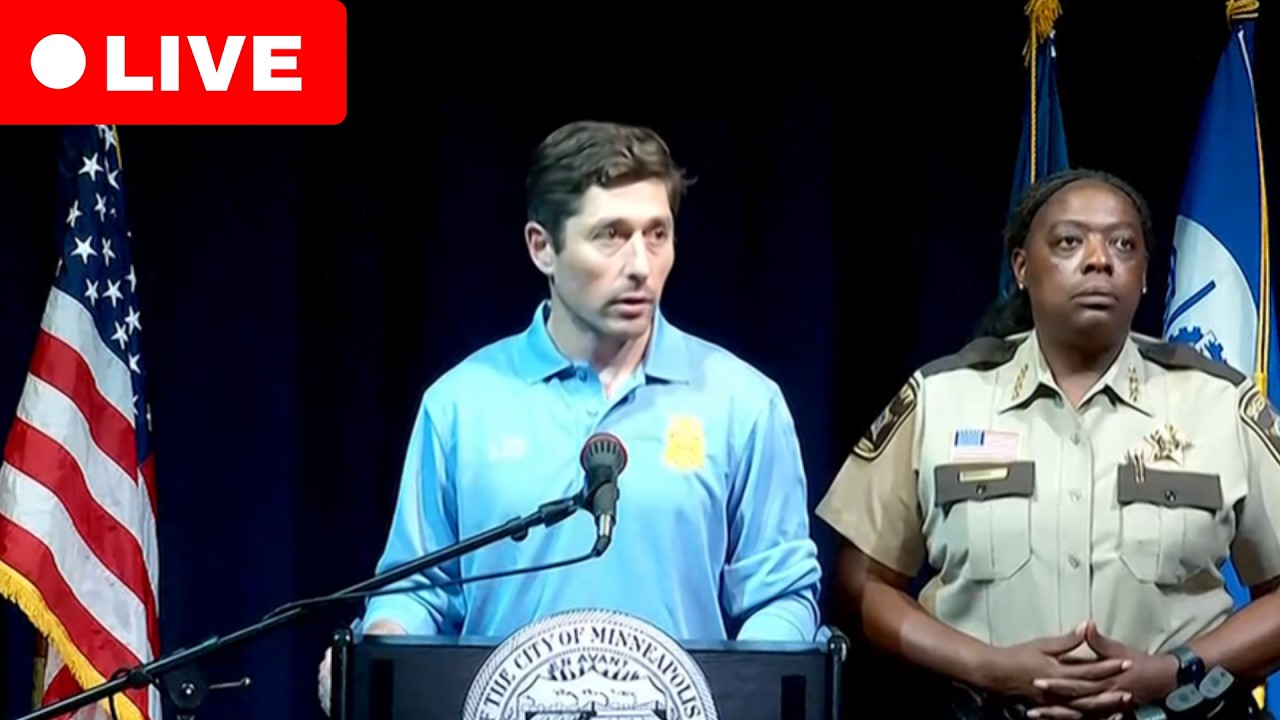
In Police Chief, your success is measured not just by crime clearance rates, but by your ability to manage the political and social fallout of high-profile incidents. When a shooting or major disturbance occurs in your city, the "Public Trust" and "Precinct Stability" meters become your most critical assets. Managing these requires a sophisticated approach to communication, where you must balance the public's demand for immediate answers against the tactical necessity of an ongoing investigation.
This guide explores the mechanics of crisis communication, the importance of inter-departmental synchronization, and how to protect your tenure when the eyes of the city are on your precinct.
The Mechanics of Public Perception in Police Chief
In Police Chief, public perception is a dynamic variable influenced by your communication choices. Every time a major event triggers a "Public Response" window, you are presented with several options for how to address the media.
- Silence: Negatively impacts your reputation; the information void will be filled by rumors, leading to a drop in community support.
- Defensive/Rebuttal: Risky; if the investigation later proves your initial claims wrong, you will suffer a massive penalty to your political capital with the Mayor.
- Transparent/Cooperative: The gold standard; this builds long-term trust, even if the immediate fallout is challenging.
Understanding these mechanics is vital. Your goal is to maximize the "Truthfulness" stat while minimizing "Public Alarm." When a shooting occurs, the game calculates the public’s reaction based on the speed of your response and the accuracy of the details provided.
Synchronizing Communications with City Leadership
The most common mistake players make in Police Chief is attempting to manage a crisis in a vacuum. Your precinct does not exist in isolation; it is a branch of the city government. When a high-profile incident occurs, a "Joint Briefing" prompt often appears.
To execute a successful briefing:
- Prioritize the Briefing: Always select the option to meet with the Mayor before addressing the press alone. This consumes time but provides a "United Front" buff to your political standing.
- Verify the Timeline: Use the "Timeline Review" action within the briefing menu. Providing contradictory timelines between the Mayor’s office and your department is a guaranteed way to lose funding.
- Align Narratives: If the Mayor is pushing for a specific narrative, weigh the cost. If the narrative is false, refusing it may cost you immediate political favor, but accepting it risks a massive "Scandal" event later if the truth comes out.
Balancing Transparency and Investigative Integrity
Transparency is your primary tool for maintaining order, but it must be calculated. The "Investigation Integrity" stat is just as important as "Public Trust." If you reveal details about a suspect, ballistics, or officer identity too early, you may compromise the case, leading to a "Failed Investigation" outcome.
Strategies for Effective Transparency:
- The "Active Investigation" Shield: When the press demands answers you cannot yet provide, use the "Active Investigation" response. This acknowledges the gravity of the incident without compromising evidence.
- Phased Information Releases: Release information in stages. Start with the "Incident Confirmation," then move to "Procedural Updates," and finally "Evidence/Resolution." This keeps the public satisfied without dumping sensitive data.
- Acknowledge Gravity: Always show empathy. Failing to acknowledge the loss of life or community distress triggers a penalty to "Community Relations," which makes it harder to recruit officers later.
Managing the Narrative During Sensitive Incidents
Narrative management is the proactive art of shaping how the public views your department. In Police Chief, you are fighting against "Media Bias" and "Political Opposition." If you leave the public to draw their own conclusions, they will almost always gravitate toward the most negative interpretation of your department's actions.
- Proactive Addressing: Don't wait for the media to reach out. Use your "Department Spokesperson" action to issue a statement as soon as an incident is confirmed.
- Focus on Process: When the public is angry, talk about the process. Explain that specialized investigative teams are on-site, that body-worn camera footage is being reviewed, and that internal affairs protocols are being followed. By highlighting the how, you reassure the public that the system is functioning.
- Accountability: If an officer error occurred, admit it promptly. Trying to cover up mistakes in Police Chief leads to "Internal Corruption" triggers, which can cause your best officers to resign.
Navigating Trade-offs and Communication Risks
Every communication choice in Police Chief involves a trade-off. You must constantly weigh the immediate political fallout against the long-term health of your department.
The Chief’s Dilemma:
- Political Risk vs. Departmental Morale: Sometimes the Mayor will demand a public statement that defends the department at all costs. While this keeps the Mayor happy, it can destroy your reputation with the community and lower your "Officer Morale" if your force feels you are being dishonest.
- The Information Void: If you wait too long to speak to protect the investigation, you lose the narrative. If you speak too early, you risk errors. The optimal strategy is to provide "Frequent, Low-Detail Updates" until the investigation is mature enough for a full briefing.
- Staff Performance: Remember that your officers are watching your public performance. A Chief who stands by their department while promising a fair investigation is more likely to maintain the loyalty of their force. If you throw your officers under the bus to save your own political career, you will see a sharp decline in "Officer Effectiveness" during field operations.
Conclusion: The Professional Chief’s Mindset
To survive in Police Chief, you must treat public messaging with the same strategic intensity as a tactical raid. By synchronizing with city leadership, maintaining a focus on procedural transparency, and proactively managing the narrative, you can mitigate even the most damaging incidents.
Always remember: the goal of your public communication is not to please everyone, but to maintain the authority and stability of your precinct. When the next major crime hits, stay calm, align with your allies, and prioritize the integrity of the investigation above all else. Your career tenure depends on it.

Free Police Chief Codes
Current active codes and how to redeem them.

Michael Smith
Michael covers live-service games, events, reward systems, and efficient daily routines, turning frequent updates into clear actions for players.
COMMUNITY
Player Comments
146 players commented on this guide.
This helped me understand updates much better.
I tried this today and it worked better than my old setup.
This saved me time in the early game.
This guide answered the exact question I had.