
Competitive play in Ragnarok Origin: Classic requires a deep understanding of team synergy, positioning, and the ability to adapt to high-pressure environments. Watching top-tier competitive matches provides valuable insights into how professional players utilize class roles, skill rotations, and map control to secure victory.
Core Pillars of Competitive Team Compositions
In high-level competitive tournaments, team compositions are rarely static. Instead, they are built around specific win conditions that prioritize crowd control, burst damage, and survivability. Analyzing professional matches shows that successful teams typically balance their roster across three essential roles:
| Role | Primary Objective | Key Responsibilities |
|---|---|---|
| Frontline/Tank | Space Creation | Engaging enemies, absorbing damage, and disrupting enemy backlines. |
| Damage Dealer (DPS) | Execution | Focusing high-priority targets and maintaining consistent pressure. |
| Support/Healer | Sustainability | Cleansing debuffs, providing healing, and buffing the team's damage output. |
Tactical Positioning and Map Control
Professional teams demonstrate that winning a match often comes down to positioning. When observing competitive play, pay close attention to how teams move across the arena:
- Zoning: Teams use long-range skills to create "no-go zones," forcing opponents into unfavorable positions or tight corners.
- Focus Fire: Instead of spreading damage across the enemy team, top players coordinate their skills to burst down a single target, removing an opponent from the fight before they can react.
- Peeling: When the enemy team initiates a dive, support players use defensive skills and crowd control to "peel" attackers away from their own damage dealers.
Analyzing Match Dynamics
When studying professional tournament footage, look beyond the surface-level combat. Focus on the following tactical elements to improve your own team-based play:
- Cooldown Management: Observe how players hold their "ultimate" or high-impact skills until the perfect moment. Using a major cooldown prematurely can leave a team vulnerable to a counter-attack.
- Reaction to Crowd Control (CC): Watch how quickly players use cleansing abilities or defensive maneuvers when caught in a stun or freeze. Speed in these situations is the difference between surviving a burst and being eliminated.
- Target Prioritization: Notice which classes are targeted first. Usually, mobile damage dealers or primary healers are the first targets to destabilize the enemy team’s synergy.
Strategies for Improving Team Synergy
To replicate the success seen in competitive matches, your group should focus on:
- Communication: Use voice chat or predetermined signals to coordinate "all-in" attacks. Synchronized strikes are significantly harder to defend against than staggered individual efforts.
- Build Synergy: Ensure your team's builds complement each other. If your team lacks crowd control, prioritize gear or skill points that offer status-effect resistance or slowing capabilities.
- Reviewing Matches: Regularly watch replays of your own team's matches. Identify where positioning broke down or where a specific skill usage resulted in a lost advantage.
By studying the movements and decision-making of top-tier players in Ragnarok Origin: Classic, you can refine your own tactical approach to competitive play and contribute more effectively to your team’s success.

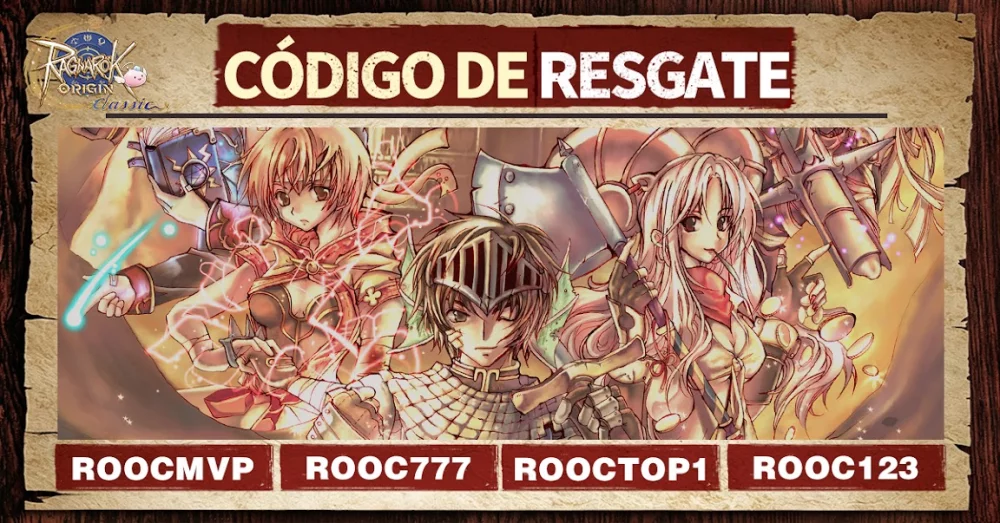
Free Ragnarok Origin: Classic Codes
Current active codes and how to redeem them.

Emily Johnson
Emily writes practical mobile strategy guides with a focus on resource planning, base progression, and the early decisions that shape a long-term account.
COMMUNITY
Player Comments
32 players commented on this guide.
This saved me time in the early game.
Good guide for Ragnarok Origin: Classic players. The strategy part was useful.
I wish I had read this before upgrading the wrong thing.
This helped me understand strategy much better.