
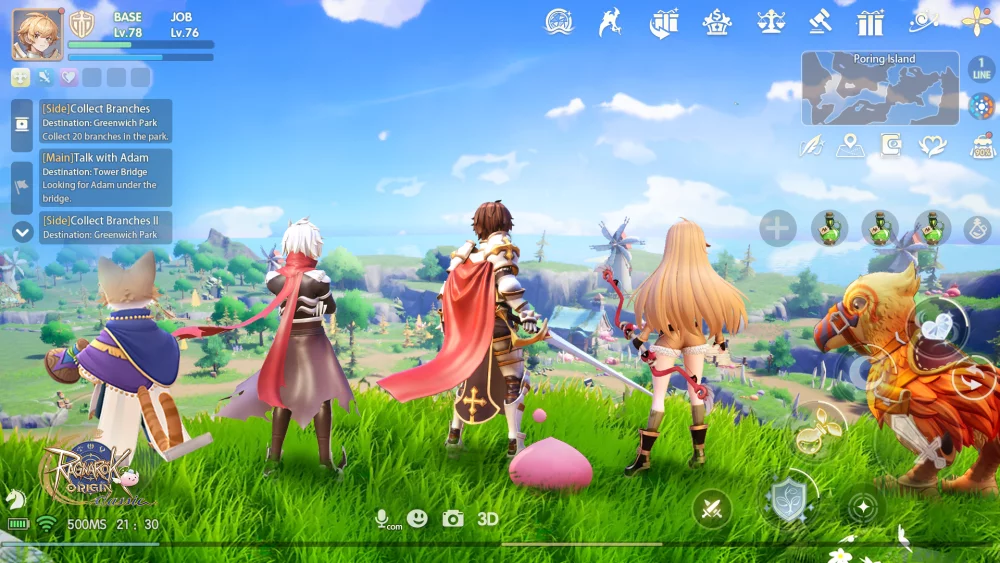
Dungeons in Ragnarok Origin: Classic serve as the primary bottleneck for character progression. As you move into the mid-game, soloing instances becomes inefficient, and relying on matchmaking without a clear strategy often leads to failed runs. Successfully navigating these encounters requires more than just high DPS; it demands proper team composition, role awareness, and knowledge of group mechanics.
Essential Party Composition
To maximize your success rate in Ragnarok Origin: Classic dungeons, your party should ideally maintain a balance of roles. While flexible compositions can work for easier content, high-level instances require specific synergy:
| Role | Responsibility | Key Attributes |
|---|---|---|
| Tank | Aggro management & positioning | High HP, DEF, and VIT |
| Healer/Support | HP recovery & buff maintenance | High INT and DEX (for casting speed) |
| DPS (Melee/Ranged) | Consistent damage output & target priority | High ATK, ASPD, and CRIT |
Dungeon Survival and Coordination Tips
When tackling instanced content, efficiency is determined by how well the team communicates and manages their resources. Follow these strategies to optimize your clearing speed:
1. Maintain Aggro Control
The Tank must be the first to enter a room or encounter a boss. If you are a DPS player, avoid attacking immediately upon entry. Giving the tank a few seconds to establish "aggro" (threat) ensures that the boss focuses on the character best equipped to take damage, keeping the healers and glass-cannon DPS safe.
2. Prioritize Target Selection
In mob-heavy dungeon phases, do not simply use area-of-effect (AoE) skills blindly. Focus fire on high-threat targets first—specifically those that cast crowd control (stun/freeze) or high-damage debuffs. Clearing these threats quickly prevents the healer from becoming overwhelmed.
3. Coordinate Support Buffs
Healers and support classes should manage their cooldowns strategically. Avoid using long-cooldown defensive buffs or heals if the party is at full health. Instead, save these resources for "burn phases" when the boss uses ultimate abilities or when the party is grouped together for shared damage mitigation.
4. Positioning for Boss Mechanics
Many bosses in Ragnarok Origin: Classic feature telegraphs—visual cues on the ground indicating where a large attack will land.
- Stay Mobile: Do not stand still if you see a marked area on the floor.
- Respect the Tank's Position: If you are a ranged DPS, stay at maximum distance to avoid being caught in the boss's frontal cleave attacks.
- Stacking: Some mechanics require the party to "stack" (stand on top of each other) to share incoming damage. Pay attention to the boss's specific attack patterns to determine when to group up versus when to spread out.
Troubleshooting Common Dungeon Failures
If you find your party consistently failing, evaluate these three areas:
- Equipment Durability: Ensure all gear is repaired and refined to the highest possible level before entering.
- Consumable Usage: Do not hoard potions. Use HP/SP recovery items and food buffs consistently to reduce the burden on your healer.
- Class Synergy: If your party lacks a dedicated support class, adjust your strategy to prioritize crowd control or kiting rather than tanking the boss head-on.
By focusing on these tactical elements, you can significantly reduce clear times and increase your success rate in Ragnarok Origin: Classic dungeon runs. Always ensure your team is on the same page before starting the fight to avoid unnecessary wipes.

Free Ragnarok Origin: Classic Codes
Current active codes and how to redeem them.

Michael Smith
Michael covers live-service games, events, reward systems, and efficient daily routines, turning frequent updates into clear actions for players.
COMMUNITY
Player Comments
106 players commented on this guide.
I tried this today and it worked better than my old setup.
This helped me understand heroes much better.
Can you add more details about heroes in a future update?
The explanation is clear, especially for beginners.