
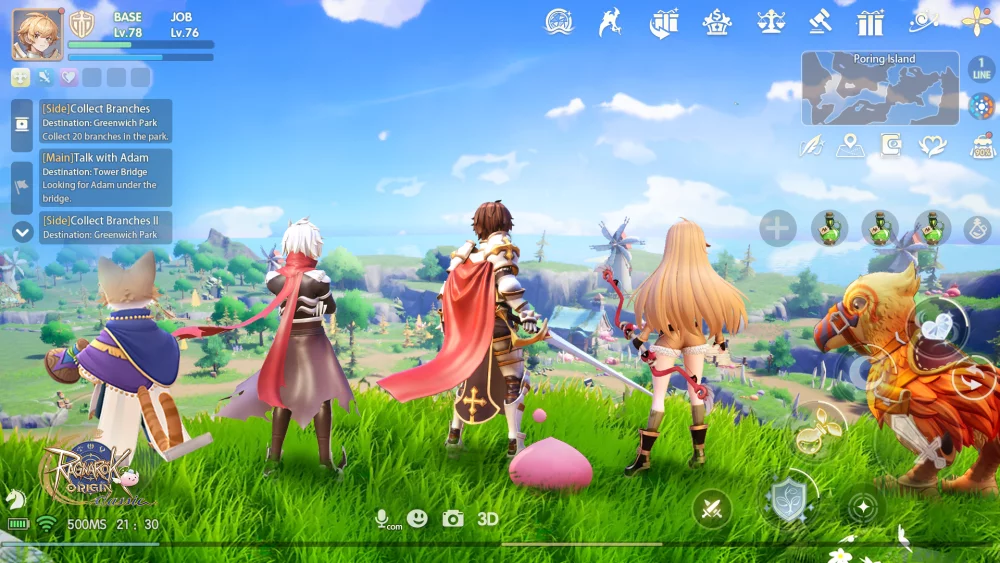
Guild League matches in Ragnarok Origin: Classic are won not just by raw damage, but by disciplined map control and objective prioritization. The Angeling map introduces specific spatial challenges that force guilds to balance frontline aggression with defensive stability. Analyzing high-level matches—such as those between top-tier guilds like GODS and Alfheimr—reveals critical tactical patterns that determine victory during these intense skirmishes.
Key Strategic Objectives in Angeling Guild League
Success on the Angeling map relies on understanding the "tug-of-war" mechanic. Controlling the central capture points while maintaining pressure on the enemy's side is the primary path to victory.
- Point Neutralization: Do not overextend beyond the center if your guild lacks the numbers to hold the line. It is better to secure the primary point firmly than to split forces across multiple contested areas.
- Choke Point Management: The Angeling map features narrow passages that favor AOE classes. Positioning your support and ranged units behind a solid frontline of Paladins or other high-HP tanks is essential to prevent enemy flanks.
- Rotation Timing: Monitor the timer for objective resets. Experienced teams start moving toward the next spawn point before it becomes active, forcing the opposing guild to react to your positioning rather than dictating the flow of combat.
Tactical Roles and Team Composition
In professional Ragnarok Origin: Classic Guild League matchups, individual performance is secondary to team synergy. Every player must contribute to the guild's collective goal.
| Role | Primary Responsibility in Angeling Map |
|---|---|
| Frontline (Tanks) | Holding chokepoints and absorbing CC to create space for DPS. |
| Backline (DPS) | Prioritizing high-value targets and maintaining AOE pressure on points. |
| Support (Healers/Debuffers) | Managing party health pools and neutralizing enemy buffs. |
| Flankers | Disrupting enemy backline healers and picking off isolated targets. |
Communication and Movement Strategies
Movement in the Angeling map should be deliberate and unified. A fractured guild is an easy target for coordinated strikes.
- Group Movement: Never travel alone. Even minor skirmishes can escalate quickly, and being caught outside of your support circle usually results in a respawn timer.
- Focus Fire Priorities: During team fights, the goal should be to eliminate enemy healers or high-output glass cannons first. Use voice communication to call out targets to ensure everyone is attacking the same threat.
- Defensive Rotations: If your guild is currently behind on points, avoid suicidal pushes. Instead, group up, regain your formation, and make a coordinated push toward a single objective to force the enemy to commit resources.
Common Mistakes to Avoid
- Ignoring the Timer: Many guilds lose matches because they get distracted by "padding stats" (chasing kills) instead of focusing on the capture points. The objective is the only thing that matters for the final score.
- Over-Commitment: Pushing too deep into the enemy base often leaves your own points undefended. Balance your offense with enough defensive presence to prevent back-capping.
- Lack of CC Coordination: In high-level play, stacking crowd control effects on a single target is more effective than spamming skills randomly. Wait for the call to initiate a chain-CC sequence on key targets.
By focusing on movement discipline and prioritizing objective control over individual kill counts, guilds can significantly improve their performance in the Ragnarok Origin: Classic Guild League. Study your team's positioning in replay files to identify where your formation breaks down and adjust your strategy accordingly.

Free Ragnarok Origin: Classic Codes
Current active codes and how to redeem them.

Michael Smith
Michael covers live-service games, events, reward systems, and efficient daily routines, turning frequent updates into clear actions for players.
COMMUNITY
Player Comments
142 players commented on this guide.
This saved me time in the early game.
Can you add more details about strategy in a future update?
The tips are practical and easy to follow.
The explanation is clear, especially for beginners.