
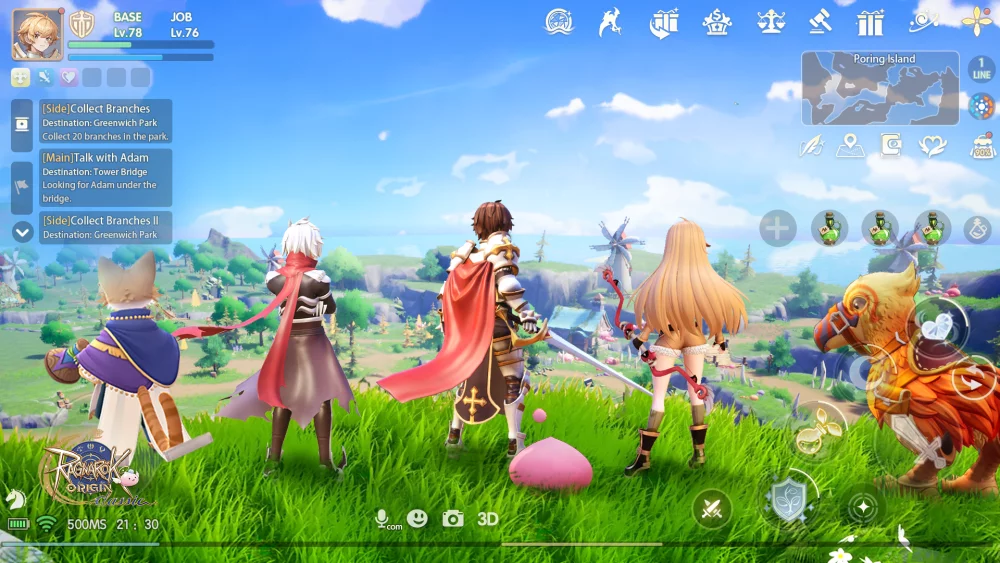
The competitive scene in Ragnarok Origin: Classic reaches its peak during high-stakes events like the Loki Cup. As players look to improve their own performance in PvP and guild-based warfare, analyzing the tactics used by top-tier squads—such as the intense matchups seen in the Class A finals—provides valuable insight into the current meta.
While individual skill is essential, success in high-level tournaments relies on team synergy, character builds, and real-time decision-making. Below is a breakdown of how top players approach competitive play in Ragnarok Origin: Classic.
Key Elements of Competitive Team Composition
Tournament-level play is rarely about a single player carrying the team. Instead, victory is defined by how well specific roles complement each other during team fights.
1. The Role of Frontline Tanks
In the Loki Cup, frontline durability is non-negotiable. Teams prioritize builds that can absorb massive amounts of burst damage while providing utility to the backline.
- Crowd Control (CC): Tanks that can disrupt enemy formations are prioritized over pure health-stacking builds.
- Survivability: High-end gear sets focus on elemental resistance and damage reduction to survive focus-fire from opposing DPS classes.
2. Backline Damage Dealers
DPS classes in top-tier teams must balance raw damage output with mobility.
- Burst Windows: Matches are often decided in seconds. Successful teams coordinate their "burst windows"—timing their strongest abilities to overlap when an enemy target is vulnerable or CC'd.
- Positioning: Professional players maintain spacing to avoid being caught in multi-target area-of-effect (AoE) spells, which are common in high-level team compositions.
Tactical Observations from the Loki Cup
Watching top teams like "兔兔遇見喵" and "賽克雷圖鑑" reveals several recurring strategies that can be applied to your own guild warfare or PvP progression:
| Strategy | Objective | Implementation |
|---|---|---|
| Focus Fire | Eliminate threats | Identifying the enemy's primary healer or glass-cannon DPS first to break their team structure. |
| Peeling | Protect the backline | Using tanks to intercept melee characters attempting to harass your team’s mages or archers. |
| Cooldown Management | Sustain pressure | Avoiding the use of "Ultimate" skills until the enemy has burned their defensive buffs or escapes. |
How to Prepare for Competitive Play
If you are aiming to participate in future tournaments or improve your standing in competitive PvP modes, consider these progression priorities:
- Refine Your Build: Do not rely on generic stat allocations. Look at the specific equipment sets used by top competitors in the rankings. Focus on items that offer both primary stat bonuses and secondary defensive perks.
- Communication is Key: Even with a high-power team, lack of coordination leads to failure. Using voice communication to call out targets and defensive cooldowns is a hallmark of the teams seen in the Loki Cup.
- Mastering the Meta: The "meta" in Ragnarok Origin: Classic shifts with new gear updates and class balances. Regularly spectate top-tier matches to see which classes are currently favored in the high-level tournament environment.
Conclusion
The high-level play showcased in the Loki Cup is a masterclass in team coordination. By focusing on cohesive party compositions, mastering your specific role's responsibility in a team fight, and keeping up with the evolving competitive meta, you can significantly increase your effectiveness in both casual and ranked Ragnarok Origin: Classic combat scenarios.

Free Ragnarok Origin: Classic Codes
Current active codes and how to redeem them.

Michael Smith
Michael covers live-service games, events, reward systems, and efficient daily routines, turning frequent updates into clear actions for players.
COMMUNITY
Player Comments
39 players commented on this guide.
This saved me time in the early game.
I tried this today and it worked better than my old setup.
Good guide for Ragnarok Origin: Classic players. The updates part was useful.
The explanation is clear, especially for beginners.