
The Paladin in Ragnarok Origin: Classic is traditionally viewed through the lens of tanking and damage mitigation. However, shifting focus toward Physical Damage (PDMG) can turn the class into a formidable force in PvP scenarios. By optimizing your build for offensive pressure rather than purely defensive utility, you can surprise opponents who expect a standard tank rotation.
Understanding the PDMG Paladin Shift
While Paladins excel at absorbing damage, the PDMG build leverages high-impact physical skills to trade effectively against squishy classes. Success with this build requires a balance between maintaining enough bulk to survive the initial engagement and stacking enough offensive stats to secure kills.
Key Stat and Gear Priorities
For a PDMG-focused Paladin, your stat allocation should prioritize:
- Strength (STR): Your primary source of raw physical damage. Ensure this is maxed to increase your base attack power.
- Vitality (VIT): Necessary for HP scaling and survivability. Do not neglect this, as Paladins rely on their HP pool for certain damage modifiers.
- Dexterity (DEX): Vital for hit rate and slight increases to attack speed, ensuring your skills connect consistently in high-mobility PvP matches.
Effective PvP Combat Tactics
When running a PDMG build, your positioning and timing define your effectiveness. Unlike traditional tank roles where you might stand at the front, a PDMG Paladin functions best as a "bruiser" that dives into the backline to disrupt targets.
| Tactic | Objective |
|---|---|
| Burst Rotation | Use your highest physical damage skills immediately after closing the gap to maximize burst before the enemy can react. |
| Target Selection | Focus on glass-cannon classes like Snipers or High Wizards who rely on positioning; your physical damage can force them to retreat. |
| Cooldown Management | Avoid blowing all your defensive cooldowns at once; save at least one utility skill to escape if your burst fails to secure a kill. |
Positioning and Engagement Strategy
In group PvP or Guild League environments, the PDMG Paladin acts as a secondary disruptor.
- Wait for the Engage: Let your primary tanks initiate the fight.
- Target Priority: Identify the enemy's primary damage dealers. Use your crowd control abilities to lock them down, then transition into your PDMG rotation.
- Pressure Maintenance: Even if you do not secure a kill, your presence forces the enemy team to shift focus toward you, effectively creating space for your team’s DPS classes to finish the job.
Essential Tips for PDMG Success
- Master the Gap Closer: Your ability to stay on top of your target is the biggest challenge for a melee-focused Paladin. Practice your movement to ensure you are never "kited" by ranged opponents.
- Consumables and Buffs: In PvP, small stat advantages matter. Always ensure your buffs are active before engaging, as the PDMG Paladin relies on consistent output to be viable.
- Adaptability: Be prepared to toggle back to a defensive stance if the match composition changes. A versatile Paladin who can switch between PDMG and tanking based on the team's needs is significantly more valuable in high-tier PvP than one locked into a single playstyle.
By focusing on gear that enhances your physical scaling and practicing aggressive positioning, you can transform your Paladin into a high-threat combatant that demands respect on the battlefield.

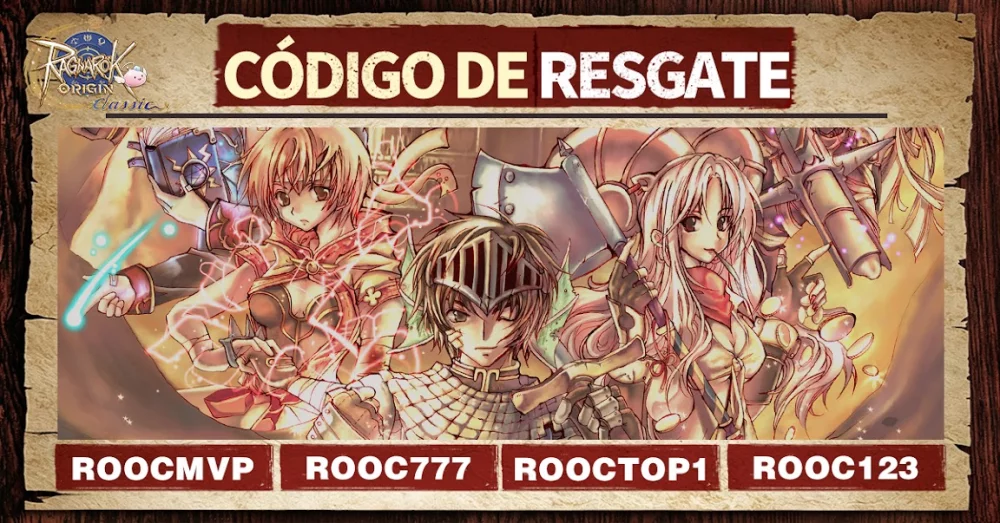
Free Ragnarok Origin: Classic Codes
Current active codes and how to redeem them.

Emily Johnson
Emily writes practical mobile strategy guides with a focus on resource planning, base progression, and the early decisions that shape a long-term account.
COMMUNITY
Player Comments
86 players commented on this guide.
I wish I had read this before upgrading the wrong thing.
Can you add more details about strategy in a future update?
The explanation is clear, especially for beginners.
Good guide for Ragnarok Origin: Classic players. The strategy part was useful.