
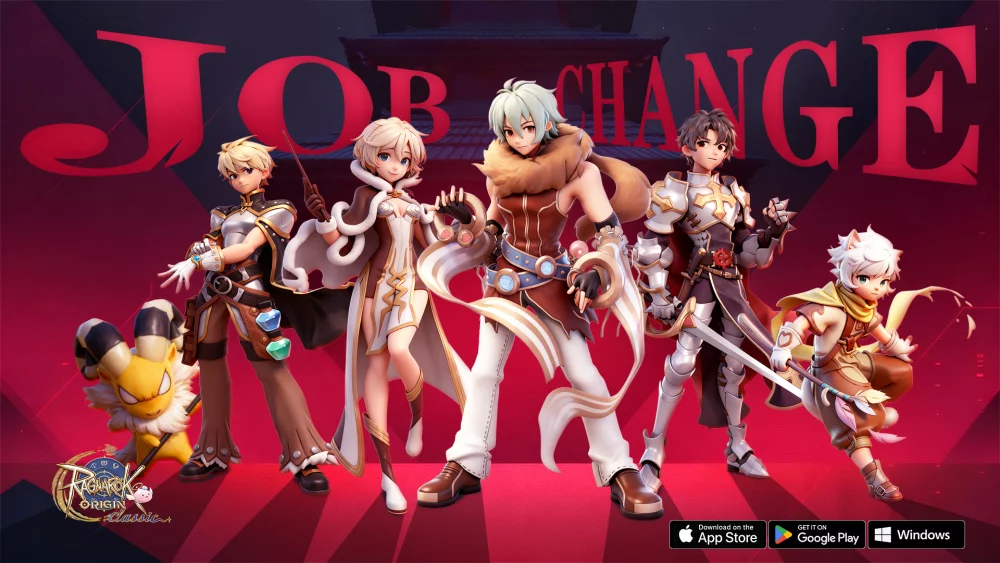
High-level competitive success in Ragnarok Origin: Classic requires strict team coordination and a deep understanding of class roles during the War God Cup tournament. Rather than relying on individual power, teams must prioritize crowd control, synchronized burst damage, and defensive rotations. By observing top-tier tournament matches, players can learn how to effectively peel for teammates and manage high-pressure combat scenarios where positioning often determines the outcome of the entire 32-team knockout bracket.
Analyzing Competitive Tournament Formations
The most successful teams in the War God Cup leverage specific class compositions to create a balanced front-to-back combat structure. Success in these tournaments is rarely about raw stats; it is about maintaining a cohesive "death ball" formation that prevents the opposing team from picking off squishy support or backline damage dealers.
- Frontline Anchors: Tanks and melee classes focus on disrupting the enemy’s backline while creating space for their own team.
- Support Synchronization: Priests and support-focused classes must coordinate their healing cooldowns and status removal spells to ensure the frontline remains viable during prolonged engagements.
- Backline Burst: Ranged damage dealers prioritize targeting specific high-value threats identified by the team captain to ensure quick eliminations during critical windows.
Essential PvP Coordination Strategies
To emulate the success of tournament-level teams, players must shift their focus from solo performance to group utility. In a 32-team knockout format, communication is the single most important factor in overcoming a gear or level deficit.
Defensive Rotations
Teams that survive the longest are those that rotate their defensive cooldowns. Instead of using all protective skills simultaneously, effective teams stagger their buffs. This ensures that when the opponent initiates a burst phase, someone on the team always has a defensive answer available.
Target Focusing
In high-stakes matches, the difference between a win and a loss is often target focus. If your team is attacking three different targets, you are effectively doing zero damage to the group. Use voice communication or pre-arranged markers to ensure all damage dealers are focusing on one target until they are eliminated.
Tournament Meta Observations
| Role Type | Primary Objective in Tournament |
|---|---|
| Frontline | Disrupt positioning and draw enemy cooldowns |
| Support | Cleanse status ailments and maintain team sustainability |
| Burst DPS | Secure kills on isolated or vulnerable targets |
| Control | Lock down key threats using stuns and immobilizing skills |
Improving Your Competitive Performance
Beyond raw gear upgrades, you can improve your tournament performance by analyzing your own team's movement. Watch replays of high-level matches—such as the War God Cup—and pay attention to how players retreat when their health drops below a certain threshold. High-level players prioritize staying alive over chasing a kill; if your team stays on the field longer, you naturally generate more opportunities to win the engagement.
Always keep an eye on official announcements for active promotional codes, which can provide necessary resources to refine your gear, but remember that in tournament play, strategy and team synergy will always outweigh temporary equipment advantages.

Free Ragnarok Origin: Classic Codes
Current active codes and how to redeem them.

Sarah Williams
Sarah specializes in RPG and collection games, explaining team building, character growth, and beginner-friendly ways to avoid expensive early mistakes.
COMMUNITY
Player Comments
66 players commented on this guide.
Good guide for Ragnarok Origin: Classic players. The strategy part was useful.
I tried this today and it worked better than my old setup.
This helped me understand strategy much better.
The tips are practical and easy to follow.