
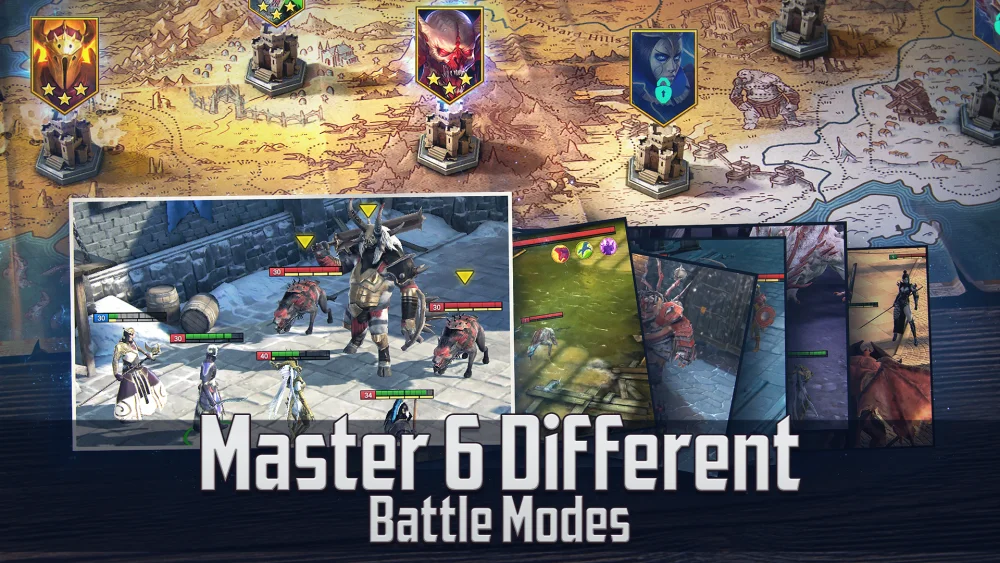
In RAID: Shadow Legends, Void Shards represent the most valuable currency for late-game progression. Because Void champions lack elemental weaknesses, they are the gold standard for consistent, high-performance teams in both PvP and endgame PvE encounters. For free-to-play (F2P) players, the scarcity of these shards means that every pull must be calculated. The key to account growth is not luck, but the strategic hoarding of shards to capitalize on guaranteed events and high-impact champion releases.
Why Void Legendary Champions are the Meta Priority
Void Legendary champions are fundamentally different from their affinity-based counterparts because they possess no natural weak hits against any element. In RAID: Shadow Legends, an affinity disadvantage (like Magic hitting Force) results in a 15% chance to "Weak Hit," which deals reduced damage and prevents critical hits and debuff application.
Void champions bypass this restriction entirely, making them the most reliable units for:
- The Arena: Eliminating the RNG risk of elemental counters allows for more consistent wins against diverse defenses.
- Hydra Clan Boss: High-tier Hydra rotations change frequently, and Void champions ensure your debuffers land their essential crowd control or damage-amplification debuffs regardless of the boss's affinity.
- Dungeons: When farming Stage 20 or Stage 25 dungeons, Void champions provide stable run times, as they will never produce an inconsistent "Weak Hit" that could lead to a failed run.
Strategic Shard Management: The F2P Golden Rule
The biggest mistake F2P players make is "drip-pulling" shards—summoning a single shard the moment it is earned. This rarely yields results and prevents you from ever hitting the milestones that guarantee success.
The Power of Guaranteed Summoning Events
RAID: Shadow Legends occasionally runs "Guaranteed Legendary" events where players are awarded a specific champion if they pull a set number of shards (typically 80–150 Void Shards).
The Strategy:
- Hoard until you hit the threshold: Never pull if you cannot reach the guaranteed limit. If an event requires 100 shards and you only have 70, you are essentially "gambling" those 70 shards. If you miss the legendary, those resources are lost.
- Wait for the meta shift: Only commit your total hoard when a champion is released who directly addresses a weakness in your roster (e.g., a support you lack for Hydra or a damage dealer for Arena).
- Ignore "10x" banners unless you are near Pity: A "10x" event increases the odds of pulling specific champions if you hit the legendary drop rate. However, the base rate remains low. Only pull on these banners if you are close to your "Pity" counter (the 200-shard mark where a legendary is guaranteed).
Evaluating New Champion Kits
When Plarium releases new Void Legendaries, the community often reacts with hype, but you must evaluate these units based on your current account state. Ask yourself three questions before committing your resources:
- Does this champion fill a role I currently lack? If you have a top-tier reviver, pulling for a new, slightly better reviver is a luxury, not a necessity. Focus on roles like "Increase Defense," "Ally Attack," or "Block Debuffs."
- Is this champion a "Force Multiplier"? Some champions are game-changers because they enable entirely new strategies. A champion that provides a unique passive—such as preventing enemy turn-meter gain or boosting team critical damage—is almost always worth the investment compared to a pure damage dealer who can be easily power-crept.
- How does this fit in my current rotation? If a champion requires a team of four other specific legendaries to shine, they may not be the right investment for a F2P account. Prioritize champions that provide immediate, plug-and-play value.
Mitigating Risk: The Pity System Explained
RAID: Shadow Legends features a "Pity System" for Void Shards. If you do not pull a Legendary champion within your first 200 Void Shard pulls, your chances increase incrementally starting at 201.
Pro-Tip for Pity: If you are deep into your pity (e.g., you are 180 shards in without a legendary), do not pull anymore unless you have a guaranteed event running. By waiting, you ensure that when you finally hit your legendary, you are pulling during an event that gives you two legendaries: the one from your Pity/RNG and the one from the Guaranteed event threshold.
Common Mistakes to Avoid
- Summoning during CVC (Clan vs. Clan): While the points are tempting, CVC happens frequently. Unless you are a massive spender, your Void Shards are too valuable to burn for short-term CVC rewards.
- Pulling on 2x Events without a plan: 2x events double the chance of pulling a legendary, but "double of low" is still a gamble. Only pull on 2x if you are comfortable with the possibility of not getting the champion you want.
- Ignoring the "Fusion" cycle: Sometimes, the best way to get a legendary is through a Fusion event. Keep a reserve of resources for fusions, as these provide a guaranteed high-tier champion without relying on RNG.
Final Decision Framework
To summarize, your approach to Void Shards should be:
- Phase 1: Accumulation. Spend 3–6 months saving every Void Shard from Clan Boss chests, Monthly Quests, and Login Rewards.
- Phase 2: Analysis. When a new champion is announced, watch community content creators to see if the champion performs well in high-level content.
- Phase 3: Execution. Only pull when you have enough shards to reach a "Guaranteed" milestone.
By treating your Void Shards as a long-term investment rather than a lottery ticket, you maximize the efficiency of your account. In RAID: Shadow Legends, patience is the most effective weapon in your arsenal. When you finally pull, do so with the confidence that you have forced the odds in your favor, ensuring your account grows stronger with every milestone reached.

Free RAID: Shadow Legends Codes
Current active codes and how to redeem them.

Emily Johnson
Emily writes practical mobile strategy guides with a focus on resource planning, base progression, and the early decisions that shape a long-term account.
COMMUNITY
Player Comments
113 players commented on this guide.
I tried this today and it worked better than my old setup.
This saved me time in the early game.
This helped me understand resources much better.
Can you add more details about resources in a future update?