
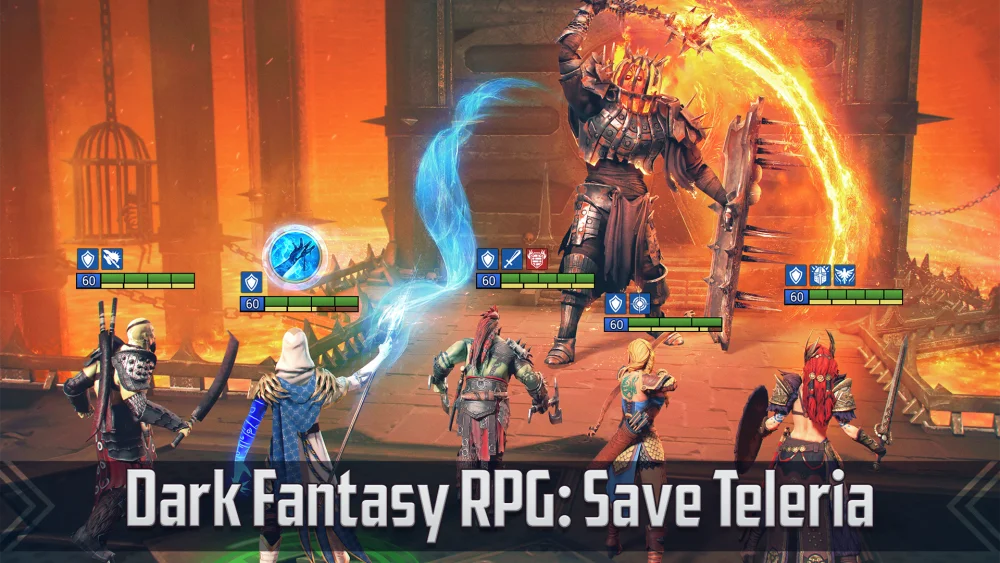
In RAID: Shadow Legends, the meta is not a static environment; it is a living ecosystem defined by constant developer iteration and community feedback. For the serious player, the ability to predict which champions are on the cusp of becoming "meta-defining" is the single greatest competitive advantage you can hold. By understanding the philosophy behind why developers adjust kits, you can transition from reactive play—constantly scrambling to build the "new" top champion—to proactive account management that saves resources and builds a more resilient roster.
The Philosophy of Champion Iteration
The development team behind RAID: Shadow Legends does not approach champion rebalancing with the goal of simply shuffling numbers. Instead, they view it through the lens of "utility longevity." When a champion is deemed underperforming, developers look at the current gaps in the endgame meta. Are there enough champions to reliably clear Hydra? Is there a lack of specific defensive utility in a particular Faction?
When a champion receives a rework, it is rarely random. It is an intentional effort to bring that character into alignment with current content requirements. For example, if the game introduces a new, high-difficulty Boss encounter that requires specific mechanics like "Remove Buffs" or "Decrease Attack," you will often see older, underutilized champions receive kit adjustments that grant them these exact abilities.
What to Look For in Patch Notes
- Skill Cooldown Reductions: A one-turn reduction on a primary debuff skill can change a champion from a benchwarmer into an S-tier speed-farming powerhouse.
- Multiplier Adjustments: When damage scaling is increased, it often shifts a champion from a pure support role into a hybrid role, allowing you to run fewer "pure" damage dealers and more utility-heavy teams.
- Crowd Control (CC) Integration: The addition of a secondary effect—such as adding a "Stun" or "Freeze" to a skill that previously only dealt damage—can instantly solve wave-clearing issues in Faction Wars or Doom Tower.
Interpreting Developer Feedback Loops
The relationship between RAID: Shadow Legends developers and the player base is a data-driven feedback loop. Developers monitor player usage rates, win-loss ratios in the Arena, and success rates in high-level Dungeons. When a champion’s usage rate drops to near zero despite having a unique kit, that champion enters the "rebalance pipeline."
By listening to official communications, such as developer-led podcasts or patch preview videos, you can often hear the "why" behind these changes. Developers frequently discuss "pain points"—areas where players are struggling due to a lack of viable options. If the team highlights a lack of defensive options for a specific Faction, start looking at the kits of the weaker champions in that Faction. These are the most likely candidates for future buffs.
Managing Roster Investment During Meta Shifts
A common mistake mid-game players make is "panic-building." When a patch notes list drops, many players immediately invest precious legendary skill tomes and experience into a newly buffed champion before verifying if that champion fits their current progression goals.
The "Roster Agility" Strategy
- Prioritize Versatility: Always favor champions that perform across multiple areas of the game (e.g., Clan Boss and Dungeons) over specialized champions who only excel in one niche mode.
- The "Wait-and-See" Period: After a rebalance, allow the community to test the champion for 48–72 hours. Watch content creator showcases to see if the buff actually translates to real-world performance improvements in endgame content.
- Hoard Resources: Maintain a reserve of skill tomes and ascended materials. When a surprise buff makes a "bottom-tier" champion a meta-staple, you will be prepared to max them out instantly, giving you a massive advantage in Arena and Clan Boss rankings.
Identifying Hidden Gems Before They Break the Meta
The most successful RAID: Shadow Legends players don't wait for a champion to be top-tier; they predict it. To identify these "hidden gems," look for champions that possess "niche-but-powerful" mechanics.
Look for kits that feature:
- Unique Debuffs: Skills that provide rare debuffs are harder for developers to replace.
- Passive Scaling: Passives that scale based on enemy max HP or ally stats are inherently future-proofed.
- Turn Meter Manipulation: Turn meter control is the most powerful mechanic in the game. Any champion with even minor turn meter control who receives a base stat buff is a prime candidate for immediate meta relevance.
Strategic Mistakes to Avoid
- Feeding Epics/Legendaries: Never use epic or legendary champions as "food" for leveling. Even if a champion is currently useless, a future patch could turn them into an essential piece of your progression. The "meta" moves; your roster should be a vault, not a revolving door.
- Ignoring Base Stat Changes: Players often focus on skill text and ignore base stat buffs. A significant boost to base speed or HP can fundamentally change how a champion is built, even if their skills remain identical.
- Chasing the "New" at the Expense of the "Stable": Don't dismantle a functional team just because a new, slightly "better" champion was released or buffed. Ensure your core progression (Clan Boss, Dungeons) is secure before experimenting with new flavor-of-the-month units.
Conclusion
In RAID: Shadow Legends, knowledge is just as important as gear. By treating champion rebalances not as random events, but as a predictable cycle of design, you can make smarter decisions about which resources to spend and which champions to prioritize. Stay informed through official developer updates, maintain a diverse and deep roster, and always evaluate potential changes by how they solve the specific "pain points" of your current progression level. By mastering the meta, you ensure that your account is always ready for the next challenge, regardless of how the game evolves.
Free RAID: Shadow Legends Codes
Current active codes and how to redeem them.

Sarah Williams
Sarah specializes in RPG and collection games, explaining team building, character growth, and beginner-friendly ways to avoid expensive early mistakes.
COMMUNITY
Player Comments
112 players commented on this guide.
This guide answered the exact question I had.
This saved me time in the early game.
Can you add more details about strategy in a future update?
I wish I had read this before upgrading the wrong thing.