
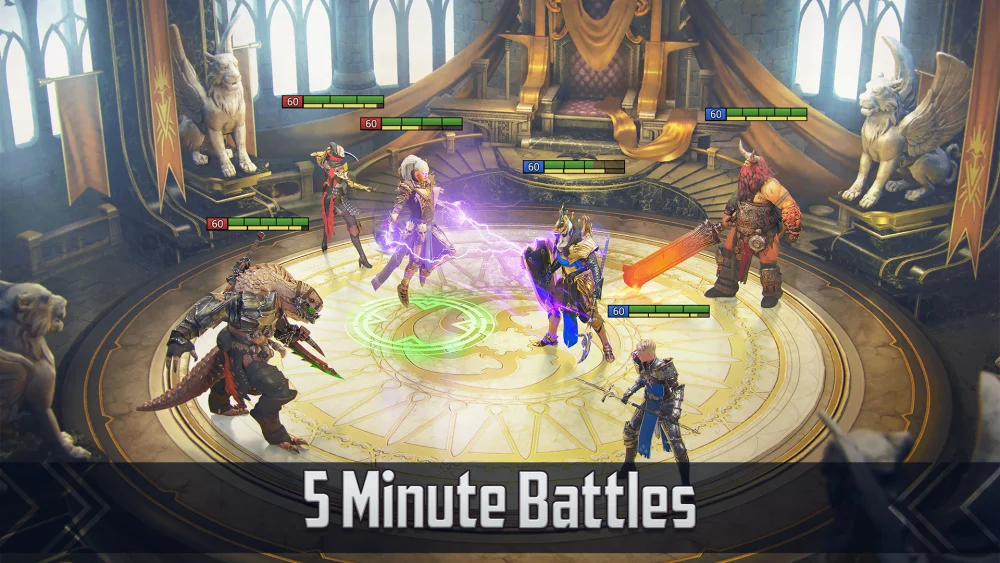
Completing a fusion as a free-to-play (F2P) player in RAID: Shadow Legends is a high-stakes balancing act. The Summon Rush is often the most resource-intensive hurdle in any fusion event, acting as a "shard sink" that can easily deplete months of careful saving. Whether you are chasing a high-tier legendary champion like Mavara or building your account’s depth, success depends not on blind luck, but on rigid resource management, mathematical planning, and the tactical timing of your summons.
Understanding Summon Rush Mechanics
Unlike Champion Chase events—which reward you for pulling champions from shards and summoning them from fragments—Summon Rush events strictly reward points based on the type of shard pulled.
The point values are static, meaning there is no "luck" involved in the point yield, only in the champion rarity you pull. Understanding these values is the first step to success:
- Mystery Shard: 1 point
- Ancient Shard: 20 points
- Void Shard: 120 points
- Sacred Shard: 500 points
- Primal Shard: 300 points
To succeed as a F2P player, you must treat your shard inventory as a currency budget. Before the event begins, calculate exactly how many fragments you need from the Summon Rush and map out the specific shards required to reach that threshold. Never pull beyond the milestone needed for the fusion fragments unless the secondary rewards (like Epic books or energy) are essential for your immediate progression.
The Strategy of Event Overlap
The most common mistake novice players make is pulling shards as soon as the event starts. In RAID: Shadow Legends, efficiency is born from synergy. You should almost always align your Summon Rush pulls with overlapping events, such as:
- Dungeon Divers: Use the energy generated from Summon Rush rewards to push through Dungeon Divers milestones.
- Champion Training: If you pull high-value champions, you will need to level them. Doing this during a Champion Training event allows you to "double-dip" on points.
- 2x Summoning Events: While not always perfectly aligned with a fusion, waiting for a 2x rate-up event can make your shard expenditure feel less wasteful, as you have a higher chance of pulling legendary champions while chasing fusion fragments.
Always check the event calendar. If a Summon Rush is active, check if there is an active "Deck of Fate" or "Titan Event" that also rewards points for summoning. Combining these goals ensures that every single shard you burn contributes to multiple progress bars simultaneously.
Managing the F2P Resource "Crunch"
The "crunch" is the period toward the end of a fusion where you realize you are short on points. When you are down to the wire, resist the urge to panic-pull your premium shards. Instead, follow this tactical hierarchy:
- The Mystery Shard Buffer: Players often overlook the thousands of Mystery Shards they have accumulated. In a pinch, these can provide the final 50–100 points needed to bridge a gap, saving you from breaking into your Sacred Shard reserves.
- Fragment Evaluation: Check your progress in other events. If you have "over-farmed" in a previous Dungeon event, you may be able to afford to miss the final tier of the Summon Rush.
- The "Rainy Day" Reserve: Never spend your entire inventory. Always maintain a floor of 2–3 Sacred Shards and 10–15 Ancient Shards. These are your "emergency fund" for when a meta-defining champion is released or when a fusion is too good to pass up.
Evaluating Fusion Champions: When to Skip
Not every fusion is created equal. As a F2P player, your resources are limited, and your biggest strategic advantage is the ability to say "no." Before committing to a Summon Rush, audit the champion’s kit against your current roster:
- Does it fill a role? If the champion is a damage dealer but you already have top-tier nukers for your Arena or Clan Boss teams, the fusion might not be worth the cost.
- Progression vs. Collection: If the champion is a "luxury" pull rather than a "progression" pull (like a Clan Boss debuffer or a cleanser), prioritize your resources elsewhere.
- The Cost of Opportunity: Calculate how many shards you are spending. If the total cost would be better spent pulling during a future 2x event to build your account depth, skip the fusion.
Tactical Mistakes to Avoid
- Pulling for "Luck": Do not pull shards hoping for a specific champion during a Summon Rush. Pull only for the points. If you get lucky, that is a bonus; if you don't, you shouldn't be disappointed because your goal was the fusion fragment.
- Ignoring the Last Hour: Many players wait until the final hour of the event to pull. This is risky due to potential server maintenance or connection issues. Aim to finish your pulls at least 4–6 hours before the event closes.
- Over-Pulling: Once you hit the fragment milestone, stop. It is tempting to chase the "Epic Skill Tome" at the next tier, but those resources are almost always better saved for the next fusion cycle.
Final Recommendations for Long-Term Growth
Success in RAID: Shadow Legends is a marathon. Completing every single fusion is not a requirement for end-game status; in fact, it is often a trap that leads to burnout and resource poverty.
Focus on building a roster that can clear Clan Boss (Nightmare/Ultra-Nightmare) consistently. This is the primary source of passive shard income. The more shards you earn through daily play, the less "crunch" you will face during future Summon Rush events. By maintaining a disciplined, math-based approach to your inventory and focusing on only the most impactful fusions, you will ensure that your account remains flexible, powerful, and ready for any challenge the developers introduce. Keep your eyes on your fragment count, respect your resource caps, and always plan your summons at least one event cycle in advance.

Free RAID: Shadow Legends Codes
Current active codes and how to redeem them.

Michael Smith
Michael covers live-service games, events, reward systems, and efficient daily routines, turning frequent updates into clear actions for players.
COMMUNITY
Player Comments
77 players commented on this guide.
Can you add more details about resources in a future update?
Nice guide. I am checking the other RAID: Shadow Legends articles next.
This helped me understand resources much better.
The tips are practical and easy to follow.