
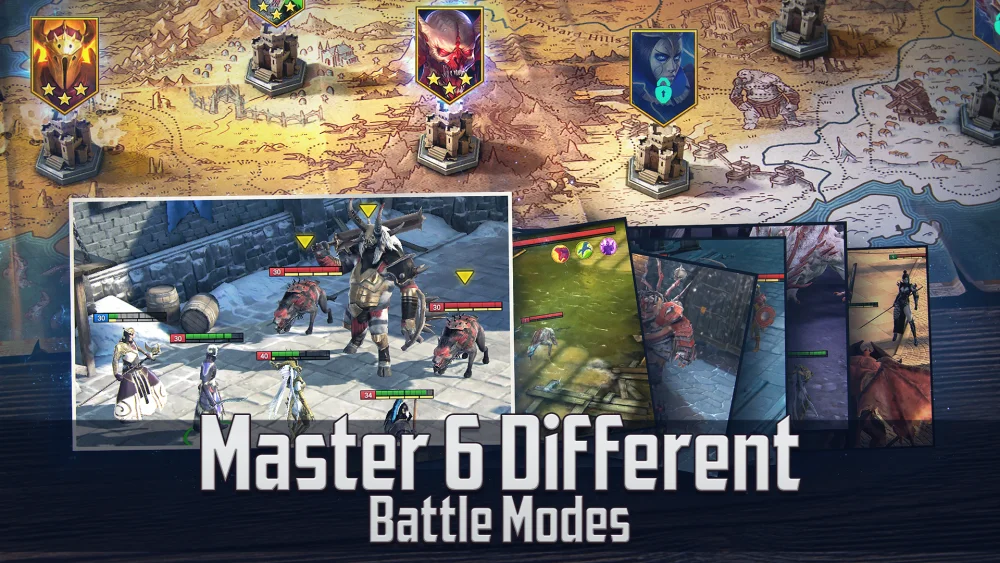
In RAID: Shadow Legends, Prism Shards represent one of the most volatile summoning mechanics in the game. Unlike Ancient, Void, or Sacred shards, which follow predictable summon pool rotations and pity mechanics, Prism Shards are typically used for limited-time events featuring a small, curated pool of champions. While the prospect of pulling a high-tier unit like the Tin Woodman is enticing, the lack of a traditional pity system and the high cost of acquisition make these shards a dangerous trap for the unprepared.
This guide provides an authoritative look at how to approach Prism Shard events, how to calculate the risks, and why exercising restraint is often your most powerful strategy for long-term account growth.
Understanding the Mechanics of Prism Shards
Prism Shards function as a "specialty currency" that bypasses the standard summoning portal. In RAID: Shadow Legends, these shards are typically obtained through expensive shop packs or as rare rewards during specific competitive events. Because they are rarely earned through standard gameplay (like Clan Boss chests or Dungeons), every shard represents a significant investment of real money or high-level event effort.
When you enter a Prism Summon event, you are greeted with a "Prism Pool." This pool is not a standard 10x or 2x event; it is a closed loop of specific champions. The primary mechanic to understand here is the featured drop rate. Unlike standard shards where you can calculate your progress toward a Legendary pull, Prism Shards operate on an independent percentage chance for the featured champions.
Crucially, these events often lack a "mercy" or "pity" system that carries over between rotations. If you fail to pull your target champion, there is no guarantee that your next pull will be more likely to succeed. This makes "chasing" a specific unit like the Tin Woodman a high-stakes gamble.
Analyzing the "Whale" Trap: Why Targeted Summons Fail
The term "whaling" refers to heavy spending to secure a specific, elusive outcome. In RAID: Shadow Legends, the Prism Shard system is designed to reward this type of behavior—but rarely in favor of the player.
The primary issue is pool dilution. Even if a specific champion is featured, the odds are split across multiple Legendary and Epic units within that pool. If your goal is to pull the Tin Woodman, you are fighting against the math of the summon table.
Why the Math Rarely Favors You:
- No Cumulative Pity: Because there is no carry-over pity, you cannot "prime" your account for a successful pull. Each shard used is an isolated event.
- The Sunk Cost Fallacy: Players often feel that because they have already spent 50 or 100 shards, they are "due" to pull the target champion. In reality, the odds remain static.
- Cost-to-Utility Ratio: Compare the cost of 50 Prism Shards to the cost of 50 Ancient Shards. In a 2x event with Ancient Shards, you are guaranteed progress toward pity. With Prism Shards, you could spend the equivalent of hundreds of dollars and receive only "food" or duplicate champions that do not benefit your account progression.
Strategic Decision Making: When to Spend
If you are determined to use your Prism Shards, you must approach the event with a "stop-loss" strategy. Never enter a summoning event with an open-ended goal.
1. Define Your Budget
Before opening a single shard, decide on a hard cap. For example, if you have 20 shards, decide that you will pull exactly 10. If the Tin Woodman does not appear within those 10, stop. The temptation to "just pull one more" is how accounts become depleted without securing the desired unit.
2. Evaluate the "Plan B"
Before pulling, look at the entire pool of champions available in the Prism Shard event. Ask yourself: "If I miss the Tin Woodman, is there anyone else in this pool that would significantly improve my current teams?" If the answer is "no," then the risk of pulling is objectively too high. Only pull when the pool contains multiple champions that would be beneficial to your account.
3. Account Progression Context
Are you a mid-game player looking to break into Platinum Arena, or are you still struggling with Clan Boss speed tunes? A champion like the Tin Woodman may be incredible for specific compositions, but if you lack the gear or the support units to make them shine, they will effectively sit in your Vault. Prism Shards are best utilized when you have an established roster and are looking for specific "missing pieces" to optimize your end-game capabilities.
The Case for Holding Your Resources
In RAID: Shadow Legends, the most effective way to "win" the summoning game is through patience. There is no penalty for holding your Prism Shards in your inventory.
Consider holding your shards if:
- You are saving for a Fusion: If a major Fusion event is on the horizon, your energy and resources should be prioritized there.
- The Target is Niche: If the featured champion is only useful in one specific area of the game that you have already mastered, they are essentially a luxury unit.
- Upcoming Rotations: New, more powerful champions are added to the game constantly. Holding your shards allows you to wait for a rotation where the entire Prism pool is filled with high-value champions, increasing the "value" of every shard you spend.
Summary: Treating Prism Shards as Long-Term Assets
The pursuit of specific champions in RAID: Shadow Legends via Prism Shards is a test of discipline. Treat these shards not as a quick fix to your roster, but as a long-term investment. By refusing to chase specific pulls under pressure and instead waiting for high-value rotations that align with your account’s needs, you maintain control over your resources.
Ultimately, a strong account is built through consistent, reliable progression—not through gambling on low-probability outcomes. Use your Prism Shards only when the odds are stacked in your favor, and always keep your broader account goals in mind before hitting that "Summon" button.

Free RAID: Shadow Legends Codes
Current active codes and how to redeem them.

James Brown
James focuses on Android gaming on PC, emulator setup, controls, performance tuning, and practical troubleshooting for longer play sessions.
COMMUNITY
Player Comments
76 players commented on this guide.
This helped me understand strategy much better.
Can you add more details about strategy in a future update?
The tips are practical and easy to follow.
The explanation is clear, especially for beginners.