
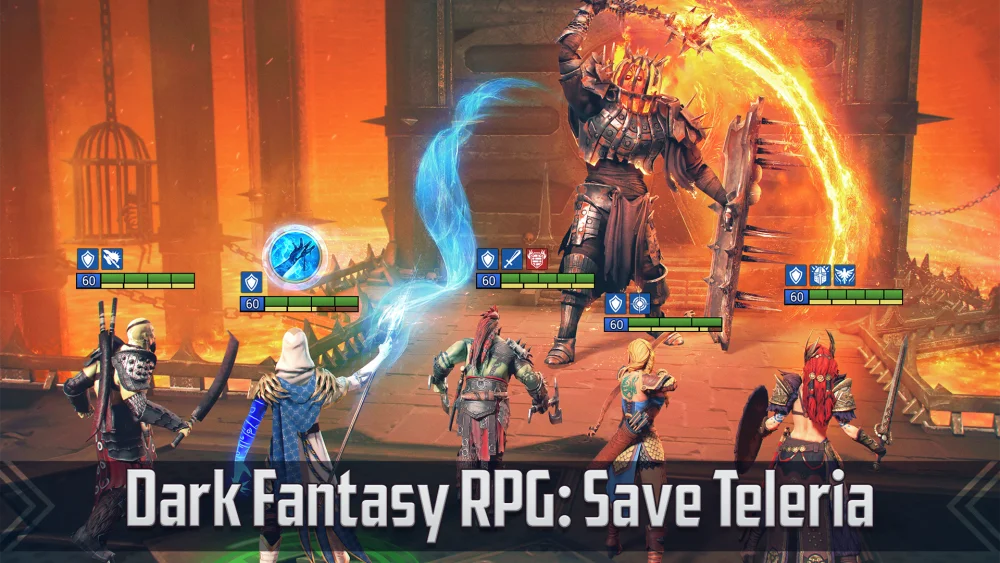
Navigating special event weeks like the "Oz Week" in RAID: Shadow Legends requires more than just luck; it demands a disciplined approach to resource management and a clear understanding of the game’s complex probability mechanics. While the allure of boosted summoning rates is significant, the most successful players treat these windows as strategic opportunities rather than gambling sessions. To maximize your pulls, you must evaluate the current 15x rate champions against your roster's specific gaps, your current pity status, and your long-term progression goals, such as upcoming Fusion events.
Understanding the 15x Summoning Mechanic
In RAID: Shadow Legends, a 15x event does not mean you have a 15% chance to pull a specific legendary champion. Instead, it means that if you successfully roll the dice and land a legendary champion, that specific champion is 15 times more likely to be the one you pull compared to other legendaries in the pool.
This distinction is vital. If you are early in your account progression, chasing a 15x champion is often a high-risk move because your roster needs breadth—you need many good champions to fill roles in Clan Boss, Dungeons, and Faction Wars. A 2x event, which doubles the base chance of pulling any legendary, is generally superior for newer players. Conversely, a 15x event is a "sniper" tool. Use these events only when you have identified a specific champion who will provide an immediate, transformative boost to your account’s capabilities.
Evaluating Champion Utility Before You Pull
Before spending a single shard during Oz Week, conduct a rigorous assessment of the featured champions. Ask yourself: "Does this champion enable me to progress in content I currently cannot clear?"
- Role Consolidation: Does this champion replace two or three current units, effectively streamlining your teams?
- Boss Specialization: Is this unit a "key" for Hydra, Iron Twins, or Sand Devil? If a champion is specialized for a dungeon you aren't farming yet, they are a luxury, not a priority.
- Arena Viability: If you are pushing Live Arena or Tag Team Arena, look for unique debuffs or passive abilities that counter the current meta.
If the featured champion does not provide a definitive solution to a bottleneck you are facing, save your shards. In RAID: Shadow Legends, the strongest players are those who resist the urge to summon for "shiny new toys" and instead summon for mechanical necessity.
The Role of Pity in Your Summoning Strategy
The "pity system" is the most important variable in your summoning strategy. For Sacred Shards, your chance to pull a legendary increases after 12 failed attempts. For Ancient and Void shards, the increase begins after 200 pulls.
If you are currently deep into a pity count (e.g., you are 10+ Sacreds deep without a legendary), you should be extremely selective about when you "break" that pity. Pulling during a 15x event is an excellent way to force a high-value champion into your roster when you are guaranteed a legendary. However, if you are far from pity, the likelihood of pulling a legendary remains low despite the 15x modifier. Always track your shard count against your pity status to ensure you aren't wasting resources on a low-probability gamble.
Balancing Oz Week with Fusion Requirements
RAID: Shadow Legends operates on a cyclical calendar. Fusion events, which guarantee a powerful legendary champion in exchange for specific resources and shards, are the gold standard for efficient account growth.
Before committing your shards to the Oz Week event, check the game’s news feed and community hubs for upcoming Fusion announcements. If a major Fusion is on the horizon, prioritize saving your Sacred and Ancient shards for that event. Fusions provide a guaranteed return on investment, whereas 15x events are subject to the whims of RNG. A good rule of thumb is to maintain a "reserve" of shards sufficient to complete a Fusion, and only spend the "surplus" on high-value 15x banners.
Strategic Checklist for Event Participation
To ensure you aren't making impulsive decisions, use this checklist before opening any shards:
- Check Your Pity: Are you near the threshold where a legendary is statistically likely?
- Audit Your Roster: Do you have the gear and skill books to immediately build and utilize this champion? A legendary without gear or books is often useless.
- Cross-Reference Events: Is there a Summon Rush or Champion Chase tournament active? If so, ensure your pulls contribute toward those milestone rewards (like legendary books or energy refills).
- Review the Competition: Compare the featured champion against existing units you own. If you have a champion who performs a similar role, the marginal gain of the new champion may not justify the cost.
Common Mistakes to Avoid
Many players fall into the trap of "sunk cost" during events. If you start pulling and don't get the champion you want, do not feel compelled to empty your entire inventory in a desperate attempt to "catch up." The game’s RNG is independent for every single shard.
Additionally, avoid pulling shards just to complete trivial daily missions. If an event doesn't align with your goals, ignore the "summoning" quest for that day. Protecting your shard count is a defensive strategy that pays off when a truly "must-have" champion appears in a future 15x rotation.
Conclusion: Playing the Long Game
Participating in the Oz Week event in RAID: Shadow Legends should be a calculated decision driven by the specific needs of your account. By focusing on your pity status, prioritizing Fusion readiness, and rigorously analyzing the utility of the featured champions, you can avoid the common pitfalls of resource depletion. Remember that in RAID, the most powerful asset you have isn't a specific legendary champion—it is the patience to use your resources at the exact moment they will provide the greatest return on your investment.

Free RAID: Shadow Legends Codes
Current active codes and how to redeem them.

Michael Smith
Michael covers live-service games, events, reward systems, and efficient daily routines, turning frequent updates into clear actions for players.
COMMUNITY
Player Comments
69 players commented on this guide.
Nice guide. I am checking the other RAID: Shadow Legends articles next.
I tried this today and it worked better than my old setup.
Good guide for RAID: Shadow Legends players. The updates part was useful.
This saved me time in the early game.