
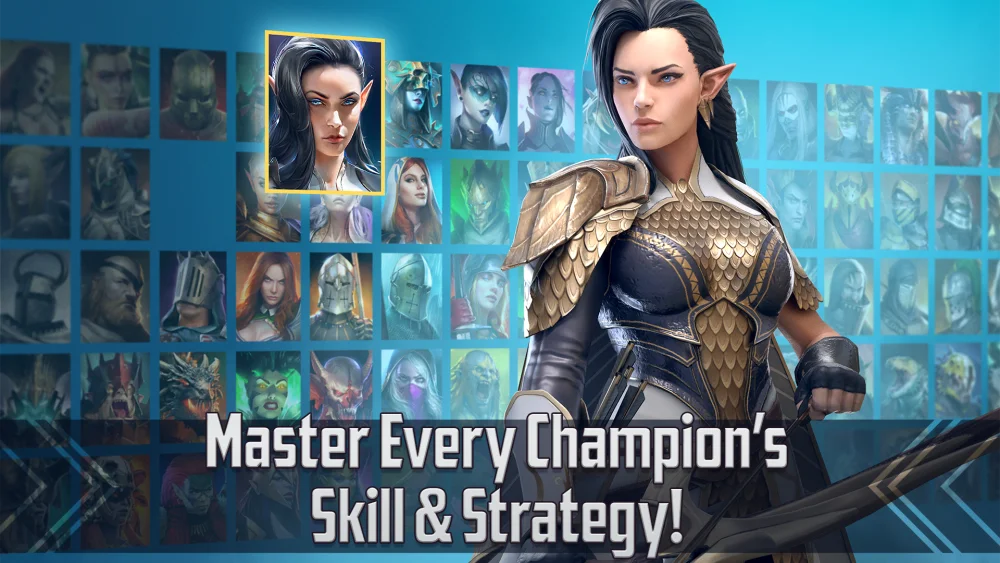
In RAID: Shadow Legends, the Gloom Eater Path is a high-stakes event that demands meticulous resource management and a deep understanding of summoning mechanics. Because it frequently features Primal Shards—the most elusive and valuable summoning currency in the game—players often find themselves at a crossroads: should they burn their stash for immediate event rewards, or hoard them for a more favorable summoning window?
To succeed in the Gloom Eater Path, you must treat your shards not just as keys to RNG-based pulls, but as calculated investments toward specific milestone rewards. This guide provides the expert framework needed to navigate this event, balance your expectations, and ensure that every pull contributes to your account’s long-term progression.
Understanding the Mechanics of the Gloom Eater Path
The Gloom Eater Path is a point-based milestone event where specific actions generate progress toward a tiered reward structure. Unlike traditional events that might reward general resource spending, the Path event is hyper-focused on champion acquisition via summoning.
The primary mechanic revolves around "point weight." Not all shards offer the same value; Primal Shards carry the highest point density because of their rarity and the increased odds of pulling legendary champions. Before you begin your summoning session, you must:
- Identify the "Breakpoints": Calculate the total points required for the rewards you actually need (e.g., Legendary Books, high-tier artifacts, or specific champion fragments).
- Inventory Audit: Compare your current shard stash against the point requirements. If you cannot reach a meaningful milestone, it is almost always more efficient to conserve your shards for a future event where you have the capacity to complete the full track.
- Assess the "Cost-to-Utility" Ratio: Determine if the final reward justifies the depletion of your Primal Shard reserve. If the rewards are lackluster compared to the potential of a future guaranteed summoning event, skip the path.
The Strategic Weight of Primal Shards
Primal Shards hold a unique position in RAID: Shadow Legends because they bypass the standard legendary drop rates found in Ancient Shards. When the Gloom Eater Path is live, using these shards is the fastest way to surge through the milestone track.
However, the "luck factor" is a double-edged sword. Experienced players treat the Path rewards as the guaranteed return on investment, while the champion pulls are considered the bonus return. By framing your expectations this way, you mitigate the frustration of pulling "food" champions. If you approach the event with the mindset that the milestones are the primary goal, you maintain the emotional discipline required to stop pulling once you hit your target, rather than chasing a "lucky" pull that may never come.
Managing Resource Expectations and RNG
One of the most common mistakes in RAID: Shadow Legends is falling victim to "sunk cost fallacy" during summoning events. If you are 50% of the way to a major milestone but run out of Primal Shards, it is often better to accept the current progress and stop than to spend currency you cannot easily replenish.
To master this:
- Set a "Hard Stop": Define your limit before you open a single shard. If you reach your milestone or run out of your pre-allocated budget, stop immediately.
- Analyze the "Pity" Counter: If you are nearing the pity threshold for Primal Shards, consider if the Gloom Eater Path is the ideal time to trigger it. Sometimes, waiting for a 2x or 10x event yields more long-term value than the event points alone.
- Accept Variable Outcomes: RNG is inherently unpredictable. If you pull a game-changing legendary early, re-evaluate your remaining goals. You may find that your focus should shift from "event completion" to "champion development" (e.g., using energy on masteries or leveling rather than more summons).
Strategic Timing and Event Overlap
Efficiency in RAID: Shadow Legends is defined by synergy. The Gloom Eater Path rarely exists in a vacuum. By tracking the in-game calendar, you can often "double-dip" on rewards.
- Synchronized Events: Look for overlapping Summon Rushes or Champion Training events. If your summoning session also contributes to a Titan Event or a Tournament, the value of your Primal Shards effectively doubles.
- The "Slow-Roll" Strategy: If you have the time, do not burn all your shards in the first hour. By spreading your summons over the duration of the event, you can monitor your progress and make micro-adjustments. If you hit your target milestone with time to spare, you save your remaining shards for the next event cycle.
- Wait for the Last Minute: If you are on the fence, wait until the final 24 hours of the event. This allows you to see if additional sources of shards become available, such as from Clan vs. Clan (CvC) milestones or secret paths, which might push you over the edge without needing to spend more resources.
Avoiding Common Pitfalls
Even veteran players can lose their way during intense events. Avoid these common traps to keep your account growth on track:
- Over-spending on "Filler" Milestones: Do not burn Primal Shards to reach an energy or silver milestone if you have other ways to acquire those resources. Save the "premium" shards for the "premium" rewards (Legendary Books and Primals).
- Ignoring Account Needs: If you are a mid-game player, a legendary champion might be less valuable than a set of high-quality gear or a cache of books to fully develop your existing roster. Always prioritize what your account needs now over the promise of a shiny new pull.
- Emotional Summoning: Never summon while frustrated. If you have had a string of bad luck (all "Rares"), step away. RAID is a long-term game; burning through your entire stockpile in a fit of frustration is the fastest way to set your account progress back by months.
Final Thoughts: Building a Roadmap
The Gloom Eater Path is a test of your long-term planning. By maintaining a simple log of your shard counts, event outcomes, and milestone progress, you can turn each event into a data point. Over time, you will learn exactly how many shards you need to reliably clear specific tiers.
Treat every event in RAID: Shadow Legends as a piece of a larger puzzle. If you fail to hit a milestone today, use that information to refine your farming habits—whether that means pushing harder in Dungeons for more shard drops or being more conservative with your gems. With this analytical approach, the Gloom Eater Path moves from an intimidating wall of RNG to a predictable, manageable milestone in your progression journey.

Free RAID: Shadow Legends Codes
Current active codes and how to redeem them.

James Brown
James focuses on Android gaming on PC, emulator setup, controls, performance tuning, and practical troubleshooting for longer play sessions.
COMMUNITY
Player Comments
137 players commented on this guide.
Can you add more details about updates in a future update?
This saved me time in the early game.
This helped me understand updates much better.
The explanation is clear, especially for beginners.