
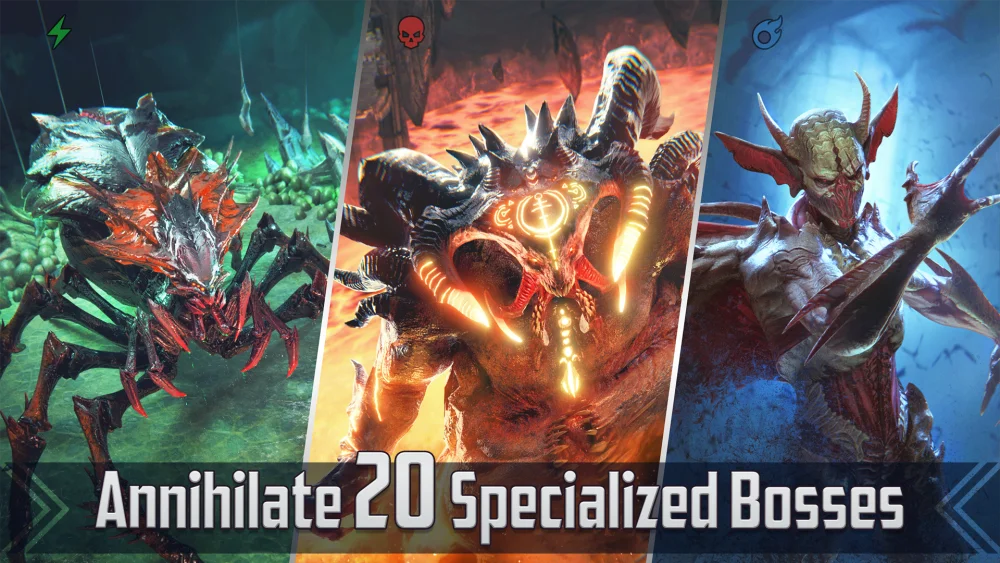
For new players in RAID: Shadow Legends, the sheer volume of systems, champions, and currencies can be overwhelming. The most common mistake is spreading resources too thin across a wide roster of low-level heroes. To build a powerful account, you must adopt a "tall" progression strategy: focus entirely on maxing out your starter champion first. By consolidating your energy, silver, and experience into a single, high-performing carry, you create an "engine" that allows you to farm experience and gear significantly faster, which is the cornerstone of all late-game success.
Selecting and Maximizing Your Starter Champion
Your choice of starter champion (Kael, Athel, Elhain, or Galek) is your most important early-game decision. While all are capable, Kael is widely considered the best for beginners due to his poison abilities, which provide consistent damage against bosses.
Regardless of your choice, your primary goal is to take this champion to 6 stars as quickly as possible. A 6-star champion unlocks the ability to solo-farm Campaign Stage 12-3 on Brutal difficulty. This specific stage offers the best experience-to-energy ratio in the game. When your starter can clear this stage alone, they can carry three "food" champions—low-rarity heroes leveled specifically to be sacrificed—to help you build your next 6-star hero.
Why 6 stars matters:
- Base Stats: The jump from 5 stars to 6 stars provides a massive boost to base HP, ATK, and DEF.
- Gear Scaling: Percentage-based gear stats (e.g., ATK% or DEF%) scale off base stats; therefore, a 6-star hero gains exponentially more power from high-tier gear than a 5-star hero.
- Masteries: A 6-star hero can unlock Tier 6 Masteries (like Warmaster or Giant Slayer), which are mandatory for dealing significant damage to high-level Clan Bosses.
Strategic Resource Allocation: Energy and Silver
In RAID: Shadow Legends, energy is your primary fuel for progression. During your first few weeks, avoid the temptation to spend energy on Dungeons (like the Dragon’s Lair or Fire Knight’s Castle) unless you can clear the higher stages consistently. Early-game dungeon drop rates for legendary or even epic gear are poor.
Instead, spend your energy in the Campaign. Farming levels to rank up your champions is a guaranteed return on investment. As for Silver, it is the lifeblood of your gear progression. Use these rules to protect your wallet:
- Stop at +8 or +12: Do not feel pressured to take every piece of gear to +16 immediately. For early-game gear, +12 is often sufficient to clear mid-game content.
- Avoid Flat Stats: Never spend silver upgrading artifacts that have "Flat" primary stats (e.g., Flat HP, Flat ATK, Flat DEF) on gauntlets, chestplates, or boots. Always prioritize percentage-based stats (ATK%, DEF%, HP%).
- Lifesteal is King: Your starter champion should wear the Lifesteal set provided in early rewards. This allows them to heal themselves during Campaign farming, eliminating the need for a dedicated healer in your farming party.
The Science of "Food" and Ranking Up
The "food" mechanic is the engine of RAID: Shadow Legends. To rank up a champion, you must sacrifice a number of champions equal to the hero's current rank. For example, to move a 5-star champion to 6 stars, you must sacrifice five 5-star champions.
The most efficient method:
- Level up 1-star champions to level 10, then rank them up to 2 stars.
- Level up 2-star champions to level 20, then rank them up to 3 stars.
- Use these 3-star champions as the "food" to rank up your primary units.
- Never use Rare or Epic champions as food until you have verified they are not essential for Faction Wars or specific boss mechanics.
Optimizing Gear Sets for Damage
Once your starter reaches 6 stars, your focus shifts to damage optimization. While the Lifesteal set keeps you alive, your secondary gear sets should focus on Critical Rate and Critical Damage.
Early-game players often fail because they lack "Crit Rate." Without a high Critical Rate (ideally reaching 85-100%), your Critical Damage stat is effectively wasted. When selecting gear, look for "Crit Rate" on gauntlets, and prioritize substats that offer speed, as speed determines how often your champion attacks. In RAID, speed is the most influential stat in both PvE and PvP. If your champion isn't moving, they aren't dealing damage.
Managing Summons and Events
The "Summoning" aspect of RAID: Shadow Legends is a psychological trap for many. Opening shards whenever you have them is a recipe for stalled progress.
Wait for 2x Events:
- Ancient Shards: Wait for the "2x Chance" events, which double the odds of pulling Epic and Legendary champions.
- Event Participation: Save your Mystery, Ancient, and Sacred shards for "Summon Rush" or "Champion Chase" events. These events reward you with additional resources like Skill Tomes, Gems, and Energy, which are vital for pushing your account to the next tier of play.
Common Pitfalls to Avoid
- Buying Shards with Gems: Only use gems to buy Energy refills or to fully master your starter champion (via the Mastery scroll menu). Shards are a gamble; Energy is a guaranteed path to growth.
- Over-investing in Weak Champions: Before investing books or gear into a champion, check online community tiers or databases to ensure they are useful in the late game.
- Ignoring Clan Boss: Join a Clan immediately. The Clan Boss provides daily chests that are the most consistent source of Shards and Skill Tomes in the game. Even if you only deal a small amount of damage, the rewards are essential for long-term development.
By focusing on these core pillars—a single 6-star carry, smart energy spending in the campaign, and careful shard management—you will build a foundation in RAID: Shadow Legends that far outpaces the average player. Consistency in these areas transforms the game from a confusing grind into a strategic, rewarding experience.

Free RAID: Shadow Legends Codes
Current active codes and how to redeem them.

Michael Smith
Michael covers live-service games, events, reward systems, and efficient daily routines, turning frequent updates into clear actions for players.
COMMUNITY
Player Comments
78 players commented on this guide.
Can you add more details about early game in a future update?
The explanation is clear, especially for beginners.
I wish I had read this before upgrading the wrong thing.
This guide answered the exact question I had.