
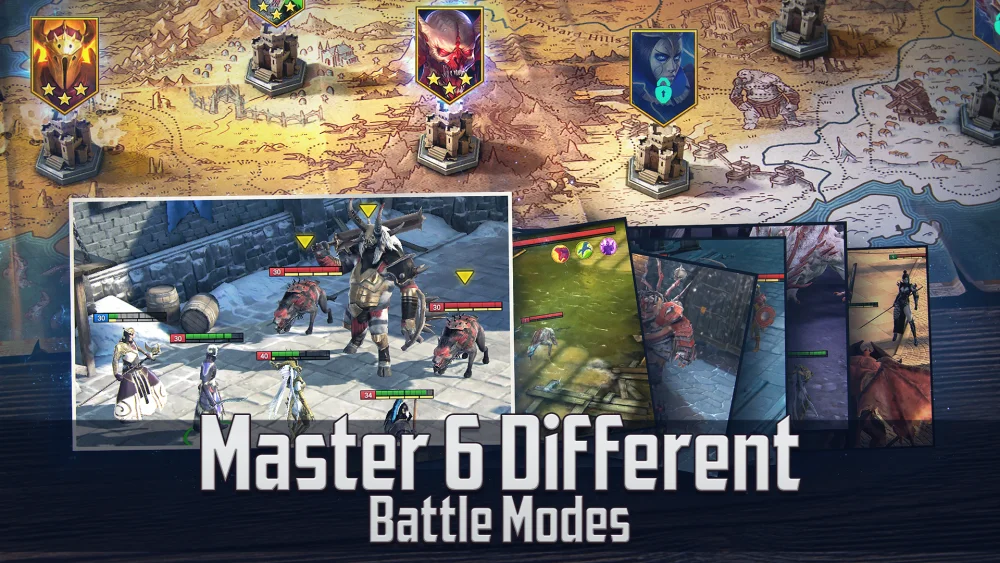
In RAID: Shadow Legends, the pressure of a limited-time fusion event can lead even seasoned players to make impulsive decisions. When you are just a few Rare or Epic champions away from summoning a powerful new Legendary, the temptation to "clear out" your roster is high. However, using the wrong units as fusion fodder is one of the most common ways to stall your progression.
This guide outlines how to identify "trap" sacrifices—champions that seem like filler but are actually linchpins for your Clan Boss, Faction Wars, or Doom Tower success.
The Cost of Impatience: Why Some Fusions Are Traps
The core mechanics of RAID: Shadow Legends are built on synergy. When you sacrifice a champion, you aren't just losing the unit; you are losing their specific cooldowns, debuff percentages, and faction-specific utility.
Players often fall into the "Fusion Trap" by assuming that if they haven't used a champion in the last two weeks, they are safe to burn. This is a fallacy. Many champions in RAID have niche utility that only becomes apparent when you reach specific endgame milestones like Hydra Clan Boss or Secret Rooms in the Doom Tower. Once a unit is fused, it is gone permanently, and the RNG required to pull that specific champion again from a Shard could take months or even years.
Categorizing Champions: When to Keep and When to Sacrifice
To manage your roster effectively, you must categorize your champions based on their strategic value rather than just their rarity or current usage.
1. The "Never Sacrifice" List (The Essentials)
Regardless of whether you use them daily, these champions should be locked in your inventory:
- Unique Debuffers: Champions providing 100% uptime on Decrease Attack, Decrease Defense, or Weaken. Even if they are Rares, keep at least one copy.
- Turn-Meter Manipulators: Any unit that can boost your team’s turn meter or deplete the enemy's. These are mandatory for speed-tuning your teams in Dungeons and Arena.
- Revivers and Cleaners: If a champion provides a team-wide revive or a reliable debuff cleanse, they are essentially irreplaceable in difficult content like Faction Wars.
- Faction Guardian Fillers: Always keep enough copies to fill your Faction Guardian slots. The passive stat bonuses (HP, ATK, DEF) provided by this system are often more valuable than the fusion materials you would gain from sacrificing them.
2. The "Conditional Sacrifice" List
These are candidates for fusion, but only under strict conditions:
- Duplicates: If you already have a max-level copy of a champion, the duplicate is fair game for fusion.
- Outclassed Units: If you have a champion that performs the exact same role as another but with lower base stats or inferior multipliers, the weaker one is a prime candidate for fodder.
How to Evaluate Before You Fuse
Before committing to a fusion, run your roster through this three-step verification process to ensure you aren't sabotaging your long-term goals.
Step 1: Check the Faction Wars Requirement
Are you currently finished with the Faction Wars for that champion’s faction? If not, you may need that champion for their specific aura, crowd control, or healing capabilities to clear the final stages. Many "mediocre" champions are top-tier for specific factions.
Step 2: Analyze the "Book" Investment
Have you already invested Skill Tomes into this champion? If you have, the cost of replacing them is significantly higher than just the champion itself. You are also losing the "Book" value. Never sacrifice a booked champion unless you are absolutely certain they have no future use in your account.
Step 3: Assess the Fusion Reward
Is the Legendary champion you are aiming for actually an upgrade? Use community databases and tier lists to verify if the fusion target will immediately improve your Clan Boss or Dungeons team. If the fusion target is a "vault guardian" (a champion that will sit in storage), do not sacrifice functional, mid-game utility units to get them.
Common Mistakes to Avoid
- Sacrificing Rare Champions with Unique Kits: Some Rares, such as Coldheart, Kael, or Apothecary, have utility that rivals Legendaries. Never use Rares as fodder until you have verified their specific role in the endgame.
- Ignoring Future Buffs: RAID: Shadow Legends developers frequently rebalance champions. A champion that is weak today might receive a buff next month that makes them S-tier. Always keep at least one copy of every Epic champion.
- Rushing for FOMO (Fear Of Missing Out): If you find yourself having to sacrifice essential units just to complete a fusion, you are not ready for that fusion. It is better to skip an event and continue farming gear than to gut your roster and be unable to clear content for the next three months.
Strategic Checklist for Fusion Events
When a fusion event starts, follow this protocol:
- Tag all "Keep" champions: Use the in-game "Favorite" or "Lock" feature to mark champions you are currently using or might need.
- Filter by Duplicates: Sort your roster by rank and faction to identify which champions you have more than one copy of.
- Calculate the Cost: Count how many "essential" units you would have to lose. If the number is greater than zero, rethink your strategy.
- Prioritize Food: Only use "Common" (1-star) and "Uncommon" (2-star) champions as leveling fodder. Reserve your Rare and Epic units strictly for fusion recipes or Faction Guardians.
Conclusion: Patience is a Resource
In RAID: Shadow Legends, the most important resource isn't your Energy or your Silver—it's your roster diversity. Fusion events are tests of discipline. By carefully vetting which champions you sacrifice, you ensure that your account remains flexible, resilient, and capable of tackling new endgame challenges as they are released. If you are ever in doubt about whether to sacrifice a champion, the best strategic decision is to keep them. It is far better to miss one fusion than to dismantle the backbone of your account.
Free RAID: Shadow Legends Codes
Current active codes and how to redeem them.

Sarah Williams
Sarah specializes in RPG and collection games, explaining team building, character growth, and beginner-friendly ways to avoid expensive early mistakes.
COMMUNITY
Player Comments
153 players commented on this guide.
This saved me time in the early game.
The explanation is clear, especially for beginners.
This helped me understand updates much better.
Nice guide. I am checking the other RAID: Shadow Legends articles next.