
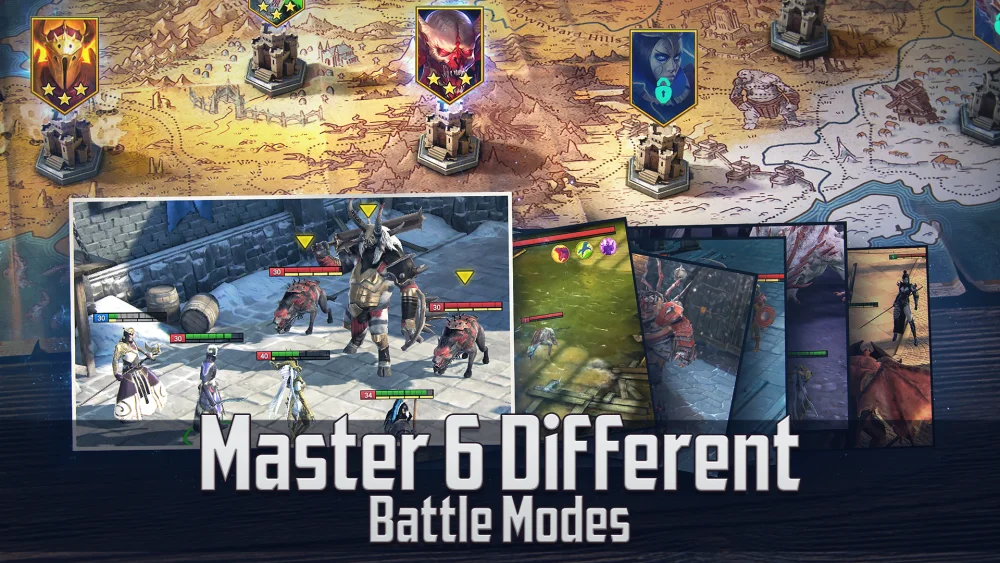
The planned nerf to the Clan Siege exclusive Mercurial artifact set removes spontaneous cleanse-and-boost procs from competitive PvP in RAID: Shadow Legends. To adapt, players relying on passive go-second defenses must transition defensive supports into Stoneskin or Bolster sets backed by true Resistance stats. Meanwhile, speed-cleave and crowd-control offenses can safely run deterministic turn-meter chains in Live Arena, Classic Arena, and Clan Siege without risking random mid-combo interrupts.
Meta Impact: Winners and Losers of the Nerf
Mercurial gear was designed to help slower teams survive fast offenses, but its chance to remove crowd control and immediately grant Turn Meter when attacked turned high-level matches into unpredictable coin flips. With that reactive mechanic severely curtailed, competitive play shifts away from random procs and back toward strict speed tuning and stat checks.
| Roster Archetype | Meta Shift Impact | Primary Tactical Adjustment |
|---|---|---|
| Speed-Cleave Offenses | Major Win | Run tight turn chains; openers like Arbiter and Shu-Zhen regain drafting reliability. |
| Hard Control Teams | Major Win | Apply Stuns, Freezes, and Turn Meter steals without triggering enemy counter-turns. |
| High-Accuracy Debuffers | Moderate Win | Rely on landed debuffs sticking according to standard Accuracy versus Resistance checks. |
| Passive "Go-Second" Defenses | Major Loss | Shift from reactive RNG procs to guaranteed damage mitigation sets and high Resistance. |
| Mercurial Siege Bases | Major Loss | Rebuild Clan Siege defense structures that previously relied on Mercurial stall compositions. |
Offensive speed openers such as Prince Kymar, Armanz the Glorified, Georgid the Breaker, and Baron gain substantial reliability. Landing control debuffs no longer carries the threat of accelerating an opponent's turn order, making standard skill rotations dependable again.
How to Re-Gear Champions After the Mercurial Nerf
Champions that relied on Mercurial to steal the initiative must be re-geared for guaranteed survivability or raw stat efficiency:
- Equip Stoneskin for First-Turn Protection: Stoneskin is the primary replacement for defensive champions facing fast burst damage. It grants debuff immunity and damage mitigation that opponents cannot bypass without bomb debuffs or dedicated buff strippers.
- Use Bolster on High-HP Supports: For champions like Duchess Lilitu or Elva Autumnborn, Forge Pass Bolster gear provides protected team shields and steady healing that do not rely on RNG rolls.
- Build Natural Resistance Stats: Because passive gear cleanses are no longer dependable, slower champions must hit actual Resistance thresholds to shrug off enemy debuffs. Prioritize flat Resistance and Speed on chest pieces and banner accessories.
- Shift Offensive Focus to Pinpoint and Impulse: Clan Siege farmers should prioritize Pinpoint gear for damage dealers to gain ignore-defense and critical damage value. Use Impulse gear to speed up skill cooldown cycling without relying on enemy interactions.
Live Arena Drafting and Turn-Order Adjustments
With RNG cleanses out of the equation, Live Arena matches favor players who calculate turn order and draft proactively.
- Draft Dedicated Buff Strippers: Slower teams will naturally retreat to Stoneskin and Protection sets. Bring dependable buff removers like Madame Serris or Sun Wukong to strip protective buffs before executing nukes.
- Close Speed Gaps in Turn Chains: Without the risk of spontaneous enemy turn-meter spikes, calculate exact speeds across your team. Tune your booster, debuffer, and primary damage dealer tightly enough that opposing champions cannot cut in through natural turn-meter gain.
- Reprioritize Ban Targets: Shift bans away from champions suspected of wearing Mercurial. Target high-impact speed auras, turn-meter boosters, and native passive disruptors such as Tormin the Cold.

Free RAID: Shadow Legends Codes
Current active codes and how to redeem them.

Emily Johnson
Emily writes practical mobile strategy guides with a focus on resource planning, base progression, and the early decisions that shape a long-term account.
COMMUNITY
Player Comments
159 players commented on this guide.
Can you add more details about strategy in a future update?
The explanation is clear, especially for beginners.
This helped me understand strategy much better.
Nice guide. I am checking the other RAID: Shadow Legends articles next.