
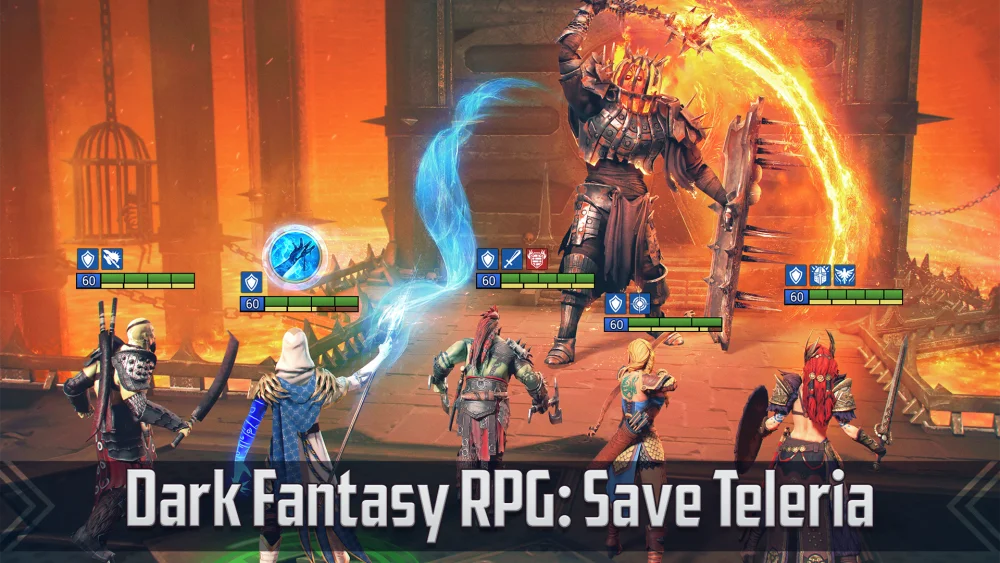
In the evolving landscape of RAID: Shadow Legends, staying competitive requires more than just collecting Legendary champions; it requires a sophisticated understanding of the meta. Power creep is an inherent part of the game's design, as newer releases often condense multiple complex mechanics into single kits. To succeed, you must distinguish between "auto-build" champions—units that offer universal utility—and those that have been rendered obsolete by modern, high-impact designs.
Understanding the "Auto-Build" and "Auto-Ban" Meta
In RAID: Shadow Legends, certain champions have ascended to "auto-build" status because they possess kits that provide overwhelming value across multiple game modes. An auto-build champion is one you should prioritize immediately upon pulling, regardless of your current faction or team composition. These units typically feature multi-faceted skills: think of champions who provide AoE crowd control, turn-meter manipulation, and defensive sustainability all in one package.
Conversely, "auto-ban" champions are the pillars of the Live Arena meta. These are the units that opponents feel forced to ban simply because their presence on the field dictates the rhythm of the match. Whether it is a passive ability that punishes enemies for taking turns or an unkillable buff that prevents team wipes, these champions force your opponent to play by your rules. Recognizing these units is your first step toward building a defense that can climb the ranks.
The Reality of Power Creep in RAID: Shadow Legends
Power creep is the most significant obstacle to long-term efficiency. Older champions that were once considered the gold standard often struggle against modern releases that boast superior base stats and more intricate skill multipliers.
When evaluating your roster, look for "bloat" in modern skill sets. New champions frequently bypass traditional counter-play through abilities that cannot be resisted, or passives that activate regardless of debuffs. If an older Legendary champion in your roster lacks the utility to survive against these modern threats, they should be relegated to niche roles or faction-specific content. Trying to force an outdated champion into a modern Arena defense or high-level Hydra team is a recipe for stagnation.
Strategic Resource Management and Asset Allocation
Your resources—specifically Legendary Skill Tomes and high-end gear—are finite. Mismanaging these assets is the fastest way to stall your account's progress. Because the meta shifts with every patch, investing heavily in a "good" champion who isn't "meta-defining" can leave you vulnerable when a new update shifts the power balance.
Rules for Resource Investment:
- Prioritize Versatility: Focus your books and gear on champions who perform in both PvE (Dungeons, Hydra, Clan Boss) and PvP (Arena). A unit that only serves one niche is a luxury for the late game, not a priority for progression.
- Avoid the Sunk Cost Fallacy: Just because you invested five Legendary books into a champion six months ago does not mean you must keep them in your main team. If they no longer perform, bench them.
- Cross-Reference the Meta: Before booking a champion, check current Live Arena ban rates. High ban rates are the most objective metric of a champion's actual power level in the current ecosystem.
Designing a Competitive Arena Defense
Your Arena defense is the primary showcase of your account’s progression. If your defense does not require an opponent to spend significant time or specific counters to dismantle, you will be farmed by active players.
The goal is to force your opponent into a "lose-lose" scenario. This is achieved by stacking champions with passive mechanics that disrupt turn-meter or punish AoE nuking. When you build a defense, look for synergy:
- Damage Mitigation: Use champions with passives that reduce incoming damage or prevent critical hits.
- Turn-Meter Control: Even if your team is slower, a champion that boosts your team’s turn meter when hit can turn the tide of battle.
- Resilience: Ensure your team can survive the first "nuke" of an opponent. If your team survives the first round, the complexity of your defensive passives should allow you to recover and overwhelm the opponent.
Identifying and Avoiding Common Mistakes
Even with the best champions, players often fail due to poor execution. A common mistake is assuming that a top-tier unit can carry a team regardless of gear quality. RAID: Shadow Legends is ultimately a game of statistics; a meta champion in poor gear will consistently lose to a lower-tier champion in perfectly optimized, high-speed, high-accuracy gear.
Furthermore, do not ignore the "synergy tax." Some champions are only as good as the team around them. If a champion requires a specific aura or a secondary support unit to function, ensure you have those pieces ready before committing your build. For newer accounts, prioritize "plug-and-play" champions—those who function effectively without requiring a meticulously crafted team composition.
Making the Decision: When to Invest
How do you know when to pull the trigger on a new upgrade? Ask yourself these three questions:
- Does this champion fill a hole in my current progression? (e.g., Do you lack a reliable Decrease Defense for dungeons?)
- Is this champion a "meta-shaper"? (Does this unit force opponents to change their strategy?)
- Can I gear this champion to their maximum potential today? If you have the champion but are missing the speed, accuracy, or resistance gear to make them viable, wait.
By keeping your focus on high-impact units and maintaining a ruthless approach to resource allocation, you ensure that every move you make in RAID: Shadow Legends pushes your account toward the endgame. Remember that the meta is a living thing—stay flexible, monitor the top-ranked players, and never stop questioning whether your current lineup is truly the most efficient use of your time.
Free RAID: Shadow Legends Codes
Current active codes and how to redeem them.

Emily Johnson
Emily writes practical mobile strategy guides with a focus on resource planning, base progression, and the early decisions that shape a long-term account.
COMMUNITY
Player Comments
110 players commented on this guide.
The explanation is clear, especially for beginners.
This helped me understand strategy much better.
The tips are practical and easy to follow.
This saved me time in the early game.