
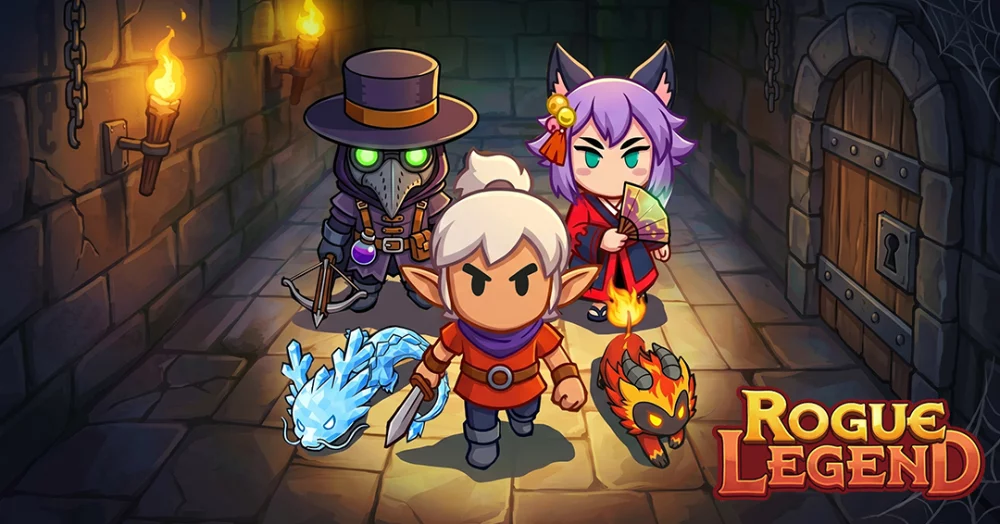
Success in Rogue Legend relies on mastering the generational cycle, where every death marks the beginning of a new run with a fresh descendant. To consistently progress through the game’s grueling board-based encounters, you must treat death not as a failure, but as a strategic opportunity to optimize your roster. The best way to choose your next heir is to evaluate your current campaign goal—whether you need to farm resources or defeat a specific boss—and select a descendant whose class, starting deck archetype, and genetic traits perfectly align with that objective.
By carefully analyzing your heir options, you can tailor your action-roguelike combat experience to overcome the exact obstacles that ended your previous character's life. This comprehensive guide breaks down the mechanics of the lineage system, how to synergize classes with deck archetypes, and the best strategies for investing your hard-earned legacy wealth into permanent upgrades.
Understanding the Anatomy of an Heir
When your current hero falls in combat, you are presented with a selection screen featuring three potential heirs. Each descendant is procedurally generated and defined by three core pillars that dictate how they will perform on the board:
- Class Identity: This determines your hero's base stats (health, mana, defense, and speed) and provides a unique innate ability. More importantly, your class dictates your starting deck archetype, establishing the foundational combat cards you will use during action sequences.
- Genetic Traits: These are unique modifiers that drastically alter how you interact with both the procedural board and the real-time combat. Traits can be beneficial (like increased critical hit chance) or detrimental (like obscured vision or randomized movement), with negative traits typically offering a multiplier to the gold and resources you collect.
- Starting Relic or Spell: Some heirs spawn with a specific piece of equipment or a rare card already in their deck, providing an immediate tactical direction for your run.
To make the right choice, you must look at these three elements collectively. A powerful class might be severely hindered by a crippling genetic trait, while a seemingly weak class could become an economic powerhouse if their traits offer massive resource multipliers.
Step-by-Step Strategy for Choosing the Best Heir
Selecting an heir is the most critical decision you make between runs. Instead of picking at random, follow this analytical process to ensure your choice aligns with your immediate goals.
Step 1: Define Your Goal for the Run
Before looking at the heirs, decide what you need to accomplish. Are you trying to push deep into a new biome to defeat a boss? Or are you severely under-leveled and need a "farming run" to gather gold for permanent hub upgrades?
- For Progression: Prioritize survivability, high-damage deck archetypes, and minimal negative traits.
- For Farming: Prioritize high-mobility classes and traits that offer massive gold multipliers, even if they make combat significantly harder.
Step 2: Evaluate the Class and Deck Synergy
Check the starting deck archetype of each heir. In Rogue Legend, your deck determines your attacks, defensive maneuvers, and utility spells during action encounters. Ensure the class ability naturally synergizes with the starting cards. For example, a heavy-hitting melee class paired with a deck full of close-range cleave cards is highly effective, whereas a squishy ranged class with melee-focused cards will struggle to survive basic board encounters.
Step 3: Weigh the Risk vs. Reward of Genetic Traits
Read every trait carefully. If an heir has a trait that flips the screen upside down or scrambles your deck draw order, ask yourself if you possess the mechanical skill to handle that handicap. If the gold bonus is 50% or higher, it might be worth the headache for a farming run, but it will almost certainly doom a boss-progression run.
Step 4: Check for Unique Board Advantages
Some traits and class abilities offer advantages specifically for the board-based navigation phase of Rogue Legend. Abilities that reveal hidden nodes, allow you to skip trap encounters, or preview the contents of a treasure node can save you massive amounts of health before you even enter an action combat phase.
Synergizing Classes with Deck Archetypes
Your choice of class defines your primary method of engagement. Because the game features a diverse roster, you should aim to master at least three distinct classes and their corresponding deck archetypes early in your progression.
The Vanguard (Melee Brawler Archetype)
The Vanguard excels in close-quarters combat. Their starting deck is heavily weighted toward Strike and Shield cards, allowing them to mitigate incoming damage while delivering heavy, sweeping blows.
- Best Playstyle: Aggressive board pathing. Vanguards can confidently step onto Elite monster nodes because their high base armor and defensive cards allow them to survive prolonged action encounters.
- Drafting Strategy: As you navigate the board, draft cards that apply "Stun" or "Bleed" effects to maximize their innate close-range dominance.
The Spellweaver (Ranged Control Archetype)
Spellweavers have low health but boast massive mana pools. Their decks rely on Projectile and Area of Effect (AoE) spell cards.
- Best Playstyle: Cautious and calculated. Keep your distance during combat encounters and use the board to path around unavoidable trap nodes, as Spellweavers lack the health to absorb environmental damage.
- Drafting Strategy: Look for cards that offer mobility (like "Blink" or "Dash") to keep enemies at bay, alongside high-cost, high-damage spells that can clear a room in a single rotation.
The Scoundrel (Combo and Mobility Archetype)
Scoundrels are the most agile class, utilizing a deck filled with zero-cost cards, rapid strikes, and poison applications.
- Best Playstyle: Hit-and-run tactics. Scoundrels excel at navigating complex board layouts and can often disarm or bypass trap nodes entirely.
- Drafting Strategy: Focus on "Card Draw" and "Combo" mechanics. The more cards you can cycle through your hand during an action sequence, the higher your damage output will scale.
Navigating Genetic Traits: The Risk/Reward System
Genetic traits are what make every run in Rogue Legend feel entirely unique. Treating these variations as mere hurdles is a mistake; they are modifiers that force you to play differently and can be exploited for massive gains.
Below is a breakdown of common trait categories and how to leverage them:
| Trait Type | Example Trait | Gameplay Effect | Strategic Recommendation |
|---|---|---|---|
| Visual Modifiers | Nearsighted | Blurs the edges of the screen during combat and obscures distant board nodes. Grants +25% Gold. | Excellent for Vanguards who fight in close quarters anyway. Avoid on Spellweavers who need to see distant threats. |
| Deck Modifiers | Clumsy | Adds two "Junk" cards to your starting deck that cost mana but do nothing. Grants +30% Gold. | Take this if you plan to visit board nodes that allow you to trash/remove cards from your deck early in the run. |
| Physical Modifiers | Gigantism | Massively increases character size and weapon hitbox, making you an easier target. Grants +15% Gold. | Great for clearing out swarms of weak enemies due to the massive attack radius, but terrible for navigating tight trap encounters. |
| Sensory Modifiers | Vertigo | Flips the game screen upside down. Grants +75% Gold. | Only select this for dedicated, high-yield farming runs where you expect to die quickly but want to maximize early-board treasure nodes. |
If you encounter a trait that severely limits your vision or alters your movement pacing, strictly evaluate if the gold bonus outweighs the difficulty spike. Do not let greed ruin a potentially great deck archetype.
Optimizing Permanent Upgrades and Castle Progress
The gold and resources you collect during a run are the most important assets for your long-term success. Before locking in your heir and starting a new generation, you must visit the hub to invest in permanent upgrades. These upgrades persist across every single life and represent your true progression in Rogue Legend.
1. Prioritize Base Survivability
Focus your initial wealth on stats that provide immediate survival utility. Upgrading your base Health and base Armor should be your first objective. In board-based roguelikes, unavoidable chip damage from traps or unexpected enemy spawns will slowly drain your resources. A larger health pool acts as a buffer, allowing you to take riskier, high-reward paths on the board.
2. Expand Your Deck Customization
Once your survivability is stable, invest in upgrades that enhance your deck archetypes. Unlock the ability to reroll card drafts at the end of combat encounters, or purchase upgrades that allow you to permanently ban certain weak cards from appearing in your loot pool. Controlling the RNG of your deck drafting is the secret to consistently beating late-game bosses.
3. Unlock New Board Nodes
Keep track of which hub structures you have unlocked. Certain upgrade paths will eventually introduce new, highly beneficial node types to the procedural board. Unlocking "Blacksmith Nodes" (to upgrade existing cards) or "Sanctuary Nodes" (to heal without spending gold) will drastically extend the lifespan of your future heirs.
Adapting to Procedural Board Challenges
Rogue Legend features a procedurally generated board map, meaning the layout, encounter placement, and trap configurations change with every single lineage. You must learn to read the board environment rather than trying to memorize static layouts.
When navigating new biomes, align your pathing with your heir's strengths. If your current hero has high burst damage but low health, chart a course that hits regular combat nodes and treasure chests, avoiding Elites until you draft better defensive cards. Conversely, if you have a highly synergistic deck and a healthy heir, hunt down Elite nodes—they offer the best card drafts and rare relics necessary for scaling your power into the late game.
Always look ahead. The board provides visual cues about upcoming hazards. If you see a cluster of high-danger nodes blocking the path to the boss, use the earlier, easier nodes to farm healing items or draft defensive cards. Managing your resources—specifically your health and mana—is vastly more important than clearing every single encounter, especially when your current heir is not perfectly optimized for the zone's specific challenges.
Common Mistakes to Avoid During Heir Selection
Even veteran players can fall into traps when navigating the lineage system. Avoid these common pitfalls to maintain a steady progression rate:
- Tunnel-Visioning on Rare Classes: A rare or newly unlocked class is exciting, but if they spawn with terrible genetic traits or a deck archetype that doesn't fit the current biome, skip them. Synergy always beats raw class rarity.
- Ignoring the Economy: It is easy to get frustrated by a boss and repeatedly pick combat-focused heirs to rush back to the fight. If you do this without upgrading your permanent stats, you will hit a mathematical wall. Mix in high-gold-yield farming heirs to keep your economy flowing.
- Hoarding Gold: Unlike some roguelikes, gold in Rogue Legend does not carry over between runs (unless you unlock specific late-game retainment upgrades). Spend every piece of gold you can on permanent hub upgrades before starting your next run.
By consistently evaluating the trade-offs of each heir, synergizing their classes with powerful deck archetypes, and smartly navigating the procedural board, you transform the lineage system from a random punishment into a highly controlled progression loop. Master your legacy, and the deepest depths of Rogue Legend will eventually fall to your bloodline.

Free Rogue Legend Codes
Current active codes and how to redeem them.

Michael Smith
Michael covers live-service games, events, reward systems, and efficient daily routines, turning frequent updates into clear actions for players.
COMMUNITY
Player Comments
134 players commented on this guide.
Can you add more details about heroes in a future update?
This helped me understand heroes much better.
Nice guide. I am checking the other Rogue Legend articles next.
The tips are practical and easy to follow.