
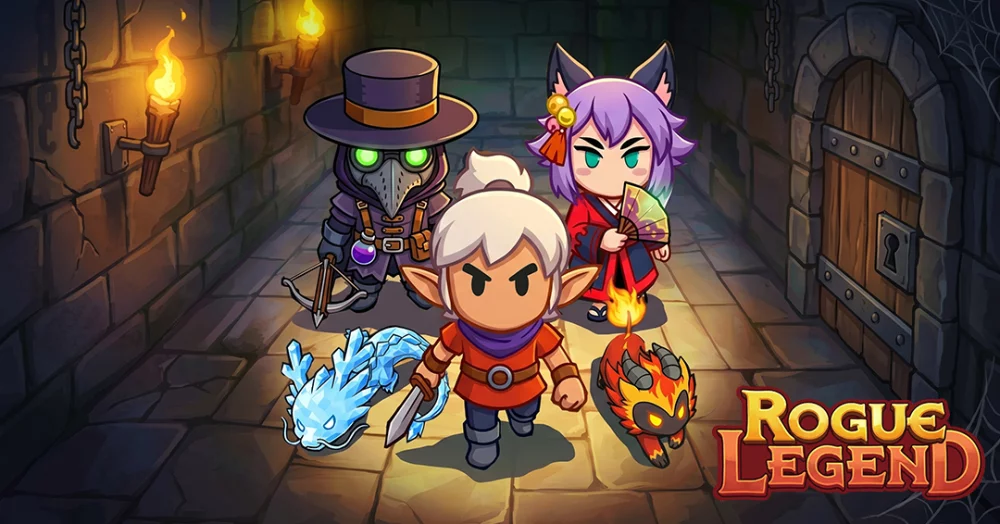
Navigating the later stages of Rogue Legend requires more than just raw combat skill; it demands a deep understanding of how Trait and Nightmare modifiers impact your run viability. As you progress, the game introduces increasingly complex variables that force you to adapt your playstyle, resource management, and character selection.
Understanding Trait Impact on Run Viability
Traits in Rogue Legend are not merely cosmetic or minor stat adjustments; they fundamentally change your approach to movement, combat, and resource gathering. When selecting an heir, consider how these traits interact with the current biome’s environmental hazards:
- Positive Traits: Look for traits that provide mobility bonuses or damage output increases that align with your current weapon class.
- Negative Traits: Avoid traits that severely impact your visibility or control in high-pressure combat rooms. If a character has a movement-impairing trait, prioritize room clearing from a distance rather than engaging in close-quarters combat.
Navigating Nightmare Modifiers
As your progression deepens, you will encounter Nightmare modifiers. These are designed to punish repetitive strategies. To successfully navigate these, you must focus on Environmental Awareness and Pattern Recognition:
| Modifier Type | Primary Effect | Strategy Recommendation |
|---|---|---|
| Projectile Density | Increases enemy fire rate | Focus on dash-timing and verticality. |
| Room Hazard Scaling | Increases trap damage | Prioritize "Trap Immunity" or health-regen relics. |
| Enemy Health Buffs | Extends combat duration | Focus on burst-damage combos over sustain. |
Strategic Tips for High-Difficulty Runs
1. Prioritize Health Recovery Over Greed
In high-difficulty runs, the temptation to clear every room for gold is high. However, if your HP is low, the risk of losing an heir outweighs the potential gold gain. Prioritize finding healing fountains or food items before engaging in optional elite encounters.
2. Manage Your Ability Cooldowns
Do not burn your secondary abilities or dash moves unless necessary. Saving your mobility resources for the final phase of a room—where traps often intensify—is essential for reaching the next safe zone or boss encounter.
3. Evaluate Heir Synergy
Before accepting an heir, check if their specific weapon/talent synergy complements the current "Nightmare" environment. For example, if the biome has narrow corridors, a character with an area-of-effect (AoE) weapon will perform significantly better than one with a single-target focused weapon.
4. Adapt to Trait-Induced Vision Changes
Some traits may obscure the screen or limit your camera view. If you are struggling with a specific visual trait, adjust your screen brightness and minimize background distractions. If a trait makes navigation too difficult, it is often better to forfeit that heir and select one with a more manageable handicap.
Summary Checklist for Run Success
- Assess the Heir: Does the trait help or hinder your movement in the current biome?
- Check the Map: Are you low on HP? Skip optional combat rooms to reach the shop or healing source.
- Study the Patterns: When a new Nightmare modifier is active, spend the first few seconds of an encounter observing enemy behavior before committing to an aggressive offensive.

Free Rogue Legend Codes
Current active codes and how to redeem them.

Emily Johnson
Emily writes practical mobile strategy guides with a focus on resource planning, base progression, and the early decisions that shape a long-term account.
COMMUNITY
Player Comments
145 players commented on this guide.
This saved me time in the early game.
I tried this today and it worked better than my old setup.
I wish I had read this before upgrading the wrong thing.
Can you add more details about base building in a future update?