
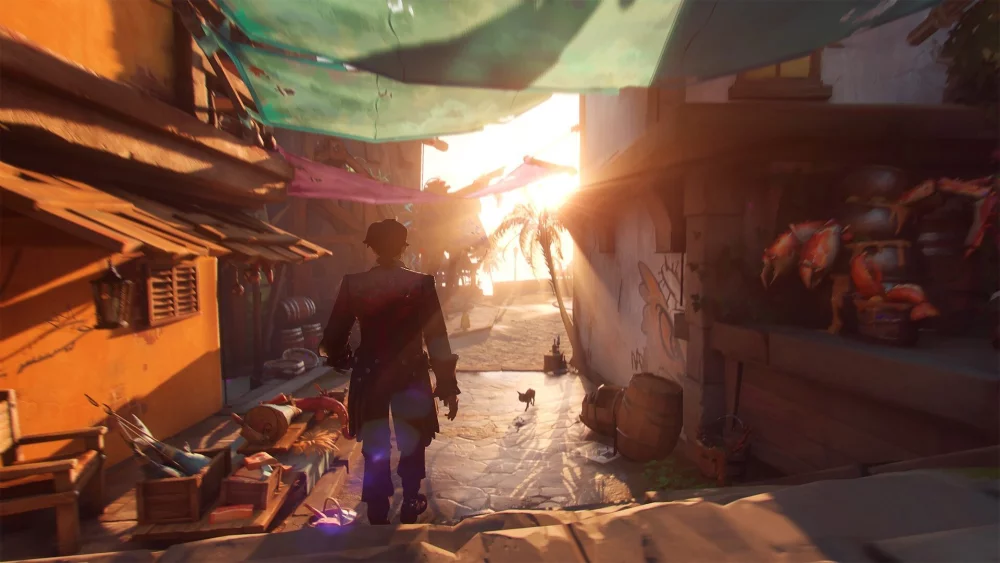
Sea of Remnants, the latest oceanic adventure title from the studio behind Identity V, introduces a hauntingly atmospheric post-catastrophic world. As players dive into the alpha test phase, the core challenge lies in balancing the technical demands of maritime navigation with the scarcity-driven resource loops characteristic of the developer's design philosophy. This guide provides the expert insights necessary to navigate the waves effectively and establish a strong foundation in the Sea of Remnants early-game experience.
Understanding the Studio’s Design Philosophy
The development team behind Sea of Remnants brings a distinct pedigree to this project, emphasizing environmental storytelling and "remnant" discovery. Unlike traditional survival games that focus on static base-building, this title prioritizes the journey through a fragmented, post-catastrophic ocean.
The studio’s design philosophy centers on deliberate pacing. You will notice that resource management is not just a chore but a narrative tool. Every item scavenged carries the weight of a world lost, and the UI is intentionally minimalist to force players to engage with the horizon rather than a cluttered HUD. To succeed, you must shift your mindset from "completionist" to "archaeologist." Every piece of debris or derelict structure you encounter is a potential clue to the world's history, often providing context for why specific survival resources are currently scarce in your immediate vicinity.
Mastering Alpha-Specific Navigation Mechanics
Navigation in Sea of Remnants is defined by physics-based movement rather than automated pathfinding. The ocean is a dynamic entity; waves, wind, and currents are not merely visual flourishes but active forces that dictate your vessel’s performance.
To master your ship's movement, keep these foundational techniques in mind:
- Momentum Management: Do not rely solely on constant propulsion. Observe the flow of the water. Utilizing natural currents can significantly reduce fuel consumption, allowing for longer, more efficient expeditions.
- Active Horizon Scanning: Without an intrusive mini-map, your eyes are your primary tool. Learn to identify silhouettes of ruins or floating debris against the skyline. Scanning the horizon consistently while at the helm is the most reliable way to spot high-tier loot.
- Vessel Positioning: When approaching shallow, unmanaged islets, consider the tide. A poorly oriented ship can be pushed by currents into hazardous reefs, causing structural damage. Always keep your ship’s bow pointed toward open water for a quick escape.
Evaluating Early-Game Resource Loop Limitations
The alpha build of Sea of Remnants is designed to test your ability to prioritize. Your inventory is strictly limited, and your ship’s buoyancy and speed are directly affected by the weight of your cargo. This creates a strategic "Weight-to-Value" ratio that you must calculate before every voyage.
Strategies for Inventory Efficiency:
- Define Your Run Objective: Before leaving port, decide if you are hunting for structural components, food, or fuel. Don't try to gather everything.
- The "Lightweight" Advantage: A lighter ship is faster and more agile. If you are exploring hazardous, uncharted zones, travel light to ensure you can outrun environmental threats or potential predators.
- Strategic Dumping: If you find a rare, high-value item, do not hesitate to jettison common resources to make room. The rarity of "remnant" technology outweighs the ease of finding basic survival items.
Utilizing the Narrative-Driven Quest System
The quest system in Sea of Remnants is deeply integrated with the game’s environmental design. Progression is rarely linear; instead, it is gated by "remnant" discoveries. Interacting with logs, signal beacons, or ancient machinery is often the only way to trigger upgrades for your ship or base.
- Log Everything: Since the in-game UI is sparse, maintain a player-kept log or map of where you found specific narrative triggers. Returning to these nodes after acquiring new gear often yields hidden rewards.
- Lore-Based Progression: If you feel stuck, stop focusing on survival and start focusing on the narrative. Check the last three sites you investigated. Did you miss an interaction prompt? The game frequently hides mechanical advancements—such as better navigation tools or improved hull durability—behind environmental lore clues.
Adapting to the Alpha Test Environment
Participating in the Sea of Remnants alpha test is a collaborative effort. Because the game is in an active state of development, you will encounter bugs, physics oddities, and placeholder UI elements. Treat these as "stress tests" rather than failures.
How to maximize your Alpha experience:
- Report Systemic Issues: If you find a specific area where the water physics consistently cause your ship to clip or glitch, use the official feedback channels. The developers rely on these reports to refine the core sailing experience.
- Focus on Core Loops: Do not burn yourself out trying to reach an "end-game" that isn't fully implemented yet. Instead, spend your time testing the limits of the movement system. Try sailing into storms, navigating tight rocky passages, and experimenting with different vessel orientations.
- Community Knowledge: Engage with the community hubs. If a mechanic feels unintuitive, check if others have discovered a "workaround" or a specific way to handle the weather patterns. The collective experience of the player base is the most valuable resource for understanding the nuances of the game's current build.
By focusing on these pillars—physics-based navigation, inventory management, and narrative-driven curiosity—you will not only find more success in Sea of Remnants but also gain a deeper appreciation for the unique, atmospheric world the studio is creating. As the alpha progresses, your mastery of these foundational skills will ensure you are ready for whatever the deeper, more dangerous waters of the full game have in store.

Free Sea of Remnants Codes
Current active codes and how to redeem them.

Sarah Williams
Sarah specializes in RPG and collection games, explaining team building, character growth, and beginner-friendly ways to avoid expensive early mistakes.
COMMUNITY
Player Comments
143 players commented on this guide.
I wish I had read this before upgrading the wrong thing.
The tips are practical and easy to follow.
This guide answered the exact question I had.
Can you add more details about resources in a future update?