
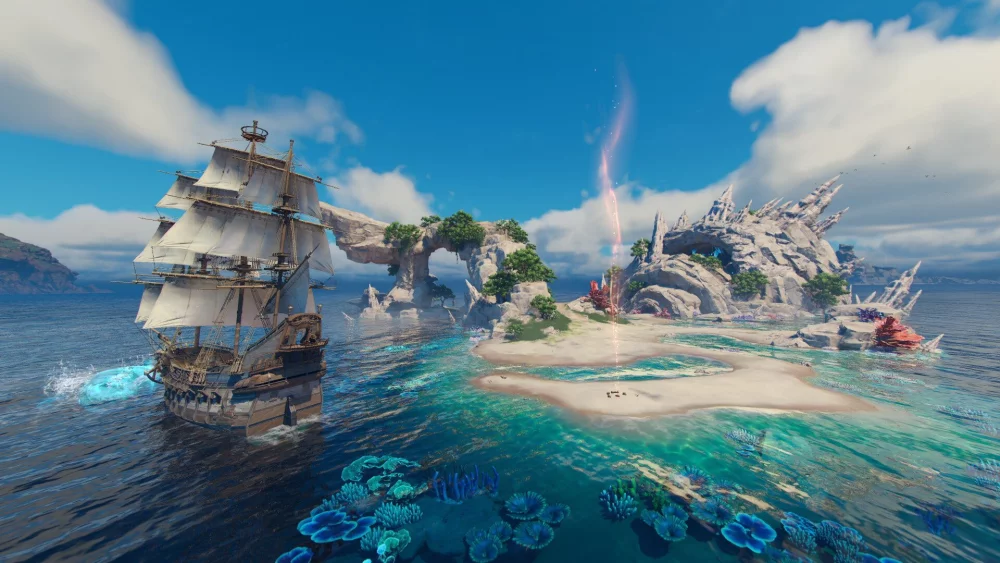
Sea of Remnants demands more than just clicking the strongest attack; it requires a deep understanding of tactical turn-based combat where positioning, resource management, and synergy dictate victory. Whether you are navigating your first expedition or tackling mid-game boss encounters, success hinges on your ability to control the flow of the battlefield. By prioritizing defensive positioning, managing ability cooldowns, and understanding how your roster’s roles interact, you can overcome even the most daunting nautical threats.
Mastering the Turn-Based Flow
Combat in Sea of Remnants is a game of information and timing. Before committing to an action, you must analyze the action order—displayed at the bottom of the interface—to predict the flow of the round.
- Anticipate Enemy Turns: Always check which enemy is moving next. If an enemy with high-damage output is about to act, prioritize stunning, silencing, or eliminating that unit over dealing incidental damage to lower-threat targets.
- The Power of Initiative: Characters with high speed or initiative stats should act as your “setup” crew. Use them to apply debuffs or group enemies together before your heavy hitters unleash their ultimates.
- Environmental Awareness: The grid-based nature of Sea of Remnants means terrain matters. Use obstacles to block line-of-sight for ranged enemies and create chokepoints that force melee units into a disadvantageous position.
Advanced Skill Management and Cooldown Control
One of the most common pitfalls for new players is the "ability spam" trap. Using your strongest skills immediately often leaves you defenseless when the encounter’s true danger phase begins.
The Rule of Three for Cooldowns
- Opening Sequence: Use low-resource, high-utility skills to soften targets or debuff defenses.
- Mid-Fight Retention: Hold your high-impact ultimates until the enemy’s health drops below a certain threshold or until you have successfully "broken" their defense gauge.
- Crisis Mitigation: Keep at least one defensive cooldown (shields or heals) available per turn. Never use your final defensive resource if you cannot guarantee the elimination of the enemy threat during your current turn.
Managing your resource bars—often referred to as "Nautical Energy"—is essential. If you exhaust your energy in the first two turns, you will be forced to use basic attacks, which are significantly less efficient and prolong the combat, leading to higher incoming damage to your party.
Building for Synergy: Role Archetypes
Team composition in Sea of Remnants is not just about bringing your strongest characters; it is about creating a "force multiplier" effect. A balanced squad typically requires three distinct roles:
- The Vanguard (Tank/Crowd Control): Characters designed to draw fire and restrict enemy movement. Their primary job is to create space for your squishier allies.
- The Catalyst (Support/Debuffer): Essential for long-term survival. These units amplify damage by applying status effects like "Armor Shred" or "Burn," which makes your damage dealers significantly more potent.
- The Finisher (Burst Damage/AoE): These characters should only act once the Catalyst has prepared the field. Pairing an AoE specialist with a unit that can "pull" enemies into a single tile is the most effective way to clear standard skirmishes quickly.
Adapting to Enemy Combat Patterns
Every major enemy in Sea of Remnants follows a telegraphed logic. By observing how they move before they strike, you can avoid unnecessary health loss.
- Telegraphing Indicators: Watch for glowing tiles or specific icons above enemy units. These signals indicate an upcoming Area of Effect (AoE) attack. You have one full turn to move your units out of these danger zones—use it.
- Posture and Stance: Some enemies change their stance when they are about to execute a counter-attack. Attacking these units while they are in a "Counter Stance" will often result in massive damage to your own characters. Learn to hold your fire or use non-damaging utility skills during these windows.
Strategic Resource Allocation
You do not need to win every battle with a flawless victory. Recognizing when to conserve resources is a veteran skill.
In minor, low-threat skirmishes, focus on standard attacks and efficient positioning. Reserve your ultimate skills and high-cost buffs specifically for "Elite" encounters or boss fights. If you find yourself consistently finishing fights with full energy but low health, you are playing too defensively. Conversely, if you are winning fights but running out of energy for the next wave, you are being too aggressive with your cooldowns.
Common Mistakes to Avoid
- Over-extending: Moving your support units into the front line to secure a kill rarely pays off. Keep them behind your Vanguard at all times.
- Ignoring Buff/Debuff Timers: Always hover over your icons to see how many turns remain on an active effect. Wasting a healing skill on a unit that is already protected by a 3-turn shield is a wasted turn.
- Targeting Priority: Never default to the nearest target. Always eliminate the "Support" or "Healer" enemy first. In Sea of Remnants, an enemy that can heal others is far more dangerous than one that simply hits hard.
Mastering the Long Voyage
The key to Sea of Remnants is consistency. Because the game features persistent health across certain quest segments, your goal is to minimize the "damage taken per turn" metric. By focusing on crowd control and defensive positioning, you can navigate the game’s toughest challenges without needing to return to base to heal. Treat every turn as a puzzle—if you can identify the single best move to disrupt the enemy’s next action, you will dominate the seas.

Free Sea of Remnants Codes
Current active codes and how to redeem them.

James Brown
James focuses on Android gaming on PC, emulator setup, controls, performance tuning, and practical troubleshooting for longer play sessions.
COMMUNITY
Player Comments
151 players commented on this guide.
Good guide for Sea of Remnants players. The heroes part was useful.
This helped me understand heroes much better.
Can you add more details about heroes in a future update?
This saved me time in the early game.