
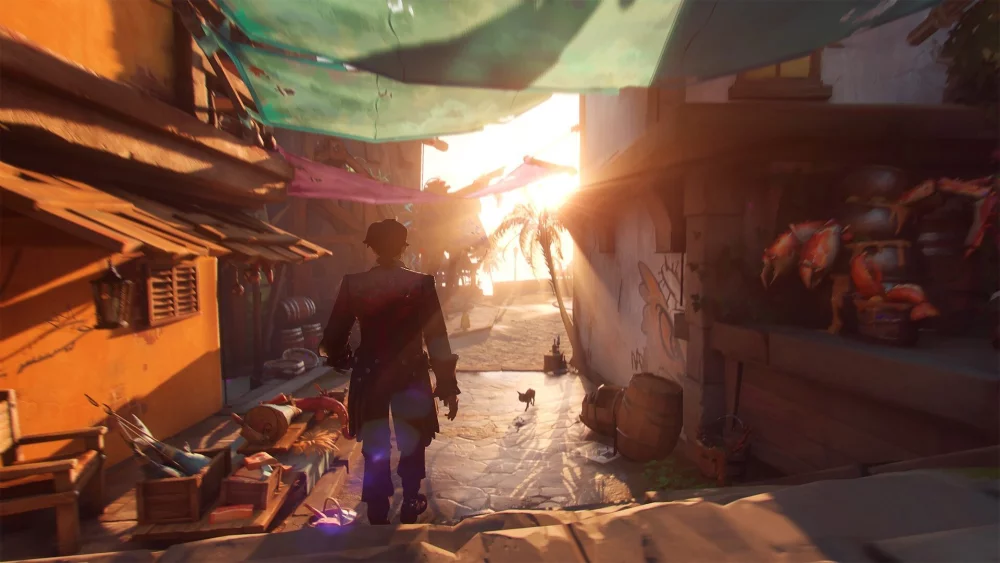
To dominate your second voyage in Sea of Remnants, you must strategically pivot from standard resource gathering to aggressive investment in high-tier banner characters. By focusing your premium currency on top-tier units early, you effectively bypass the grind associated with base-level gear progression. This transition allows you to steamroll early-game encounters, secure rare materials faster, and establish a dominant team composition that remains relevant well into the mid-to-late stages of your second playthrough.
Prioritizing High-Value Gacha Investments
The most efficient way to accelerate your progress in a second playthrough is to allocate your resources toward high-impact characters immediately. Rather than spreading your currency across multiple low-tier banners, target specific meta units that offer high damage-per-second or crucial utility. Investing heavily in these characters early creates a "power spike" that renders standard enemy encounters trivial, allowing you to focus your limited time on exploration rather than struggling with basic combat loops.
When choosing which banners to pull, evaluate the character’s ability to clear mobs efficiently. In Sea of Remnants, characters with high-scaling area-of-effect (AOE) abilities are the most valuable for rapid progression. By securing these units early, you reduce the number of turns required to end combat, which translates into faster map traversal and more frequent resource extraction during your voyage.
Leveraging Second-Playthrough Advantages
Starting a second voyage provides a unique opportunity to apply knowledge gained from your initial run. You should use this advantage to identify which items and ship upgrades are essential for long-term sustainability versus those that are merely temporary conveniences.
Avoid spending premium currency on common consumables that can be easily farmed through exploration; instead, reserve your spending for limited-time banners that provide long-term account growth. Recognize that the second playthrough is about efficiency. If your previous run was bogged down by gear limitations, use your early-game pulls to bridge those gaps. By prioritizing characters that offer synergy with your existing fleet, you create a cohesive team that maximizes the effectiveness of every move, ensuring your voyage remains productive even when you encounter challenging or high-level environmental hazards.
Managing the Trade-offs of Aggressive Spending
While heavy investment provides immediate power, it comes with the risk of resource depletion. If you spend your entire reserve on a single banner, you may find yourself without sufficient currency when a more powerful or versatile character is released later in the season.
Best Practices for Responsible Scaling:
- Maintain a Buffer: Always keep a reserve of currency equal to at least one "pity" pull to ensure you can pivot if the meta shifts.
- Avoid Over-investing in Duplicates: Once a unit hits its primary power threshold, further spending on minor stat increments often yields diminishing returns compared to unlocking a new, versatile character.
- Prioritize Versatility: A team with high elemental coverage is often more effective for late-game boss mechanics than a team with one high-stat carry.
Always balance your desire for instant power with the need for a well-rounded team, as versatility is often more important for navigating the diverse challenges of the open sea than raw power alone.
Strategic Objectives for Rapid Scaling
To sustain your momentum, set clear, time-bound objectives for your second voyage. Instead of wandering aimlessly, use your high-tier characters to target specific high-value zones that were difficult to clear in your first run. Clearing these zones early provides access to unique materials and upgrades that aren't available through standard play, effectively snowballing your progress.
The Second Voyage Priority Checklist:
- Core Unit Power-Leveling: Identify two primary damage dealers and focus your initial materials here to ensure they can carry your fleet through mid-game zones.
- Resource Node Farming: Use your superior combat speed to clear high-difficulty resource areas before they are contested by world events or other players.
- Ship Utility Upgrades: Prioritize ship components that increase movement speed or cargo capacity. These provide a compounding benefit to every action you take, allowing you to cover more ground per play session.
Avoiding Common Pitfalls
Many players falter in their second voyage by falling into the "completionist trap." Do not attempt to clear every minor objective or collect every low-tier ship module. In Sea of Remnants, the most successful players are those who can identify the intersection of high-tier character power and efficient route planning.
Furthermore, be wary of "trap" banners that feature characters with high aesthetic appeal but low utility. Always cross-reference your spending with current tier lists or community-driven performance data. By aligning your spending habits with clear, outcome-oriented objectives, you turn your second voyage into a highly efficient engine for growth. Remember that the game rewards those who can maintain a lean, effective team while staying ahead of the difficulty curve. By focusing on these high-leverage areas, you ensure your second voyage is significantly more productive than your first.

Free Sea of Remnants Codes
Current active codes and how to redeem them.

Sarah Williams
Sarah specializes in RPG and collection games, explaining team building, character growth, and beginner-friendly ways to avoid expensive early mistakes.
COMMUNITY
Player Comments
143 players commented on this guide.
This saved me time in the early game.
I tried this today and it worked better than my old setup.
Can you add more details about early game in a future update?
This helped me understand early game much better.