
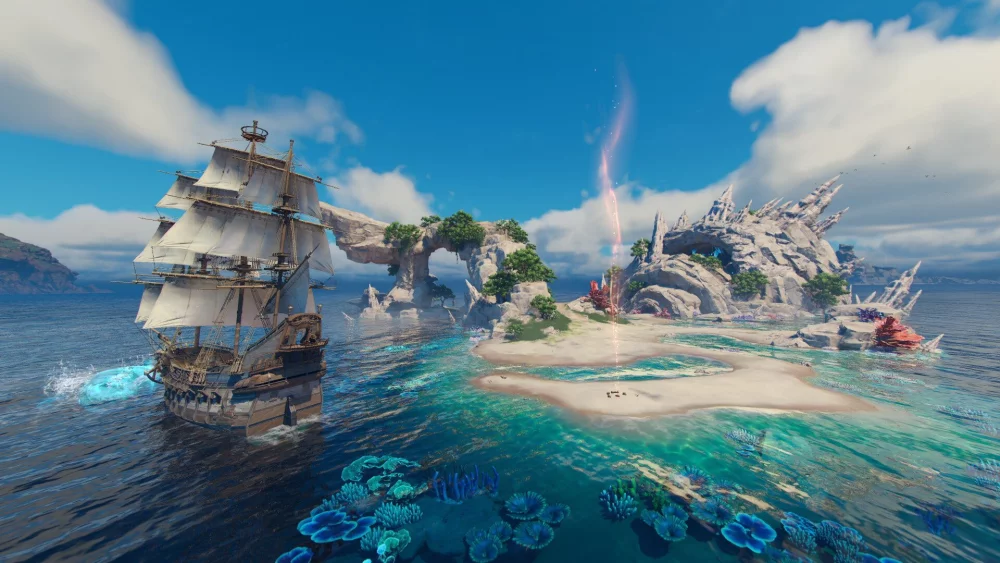
In Sea of Remnants, the life of a pirate is defined by more than just the roar of cannons and the hunt for sunken treasure. While the ocean is vast and perilous, the game’s unique charm lies in its "puppet-style" aesthetic and the unexpected depth of its social systems. If you want to survive the high seas, you must look beyond ship combat and resource grinding. Integrating leisure activities—specifically Mahjong—into your daily maritime routine is not just a distraction; it is a core gameplay mechanic that stabilizes your crew’s morale and unlocks vital narrative layers.
Why Mini-Games Matter: The Morale Mechanic
In many nautical adventures, the crew is treated as a static resource. In Sea of Remnants, your crew is a living, breathing entity with moods, stressors, and loyalty levels. The inclusion of leisure mini-games serves as a critical psychological anchor. After navigating treacherous storms or surviving intense naval skirmishes, your crew’s "Stress Meter" will inevitably rise.
Engaging in a game of Mahjong acts as a restorative activity. By stepping away from the helm to participate in these mini-games, you are actively managing your crew’s temperament. Maintaining high morale is essential for performance; a happy crew is more efficient at repairs, faster to reload cannons, and more resilient during boarding actions. Think of these games as a mandatory "shore leave" on the high seas—a necessary reset that prevents burnout and keeps your ship functioning as a cohesive unit.
Deepening Character Bonds Through Shared Downtime
One of the most distinctive features of Sea of Remnants is how it handles character development. You won't find traditional, sterile dialogue trees here. Instead, the game uses shared downtime as a catalyst for narrative progression.
When you invite a specific companion to a game of Mahjong, you are initiating a "Social Quest." These sessions provide a window into the personalities and backstories of your crew that simply cannot be accessed while firing broadsides at enemy frigates.
- Loyalty Gains: Consistently playing with certain crew members increases their loyalty, which can lead to unique bonuses in combat.
- Lore Unlocked: Characters often drop hints about their pasts or the mysteries of the Sea of Remnants world while the tiles are being shuffled.
- Dialogue Paths: Successful interactions during these games can unlock new conversation options that influence how your crew perceives your leadership.
If you find that your relationship with a key navigator or gunner has plateaued, prioritize inviting them to the table. These moments of connection are the primary way to move from being a "captain" to a "leader" in the eyes of your crew.
Strategic Scheduling: Balancing Exploration and Rest
Efficiency is the hallmark of a successful pirate. However, the most efficient players in Sea of Remnants are those who know when to slow down. The game rewards a rhythmic flow between high-intensity navigation and intentional rest.
To master your gameplay loop, follow this strategic routine:
- Post-Combat Recovery: Immediately after an encounter, assess your ship’s damage. If the hull is stable, initiate a mini-game session to bring the crew’s morale back to baseline.
- Calm Water Anchoring: When you reach a safe harbor or a calm, mapped stretch of ocean, use this "downtime" to check your inventory, upgrade ship components, and play a longer round of Mahjong.
- Weather Management: During long, boring stretches of travel through stable weather, engage the crew. This prevents the monotony of the voyage from negatively impacting their stats.
By treating these "rest periods" as a formal part of your resource management strategy, you ensure that you are always prepared for the next challenge without wasting precious materials on morale-boosting items that could be saved for emergencies.
Avoiding Pitfalls: The Risks of Leisure
While the rewards of these mini-games are significant, they are not without risk. The Sea of Remnants is an unforgiving world, and the game does not pause simply because you are focused on a winning hand of Mahjong.
- Environmental Awareness: Never initiate a game session if your ship is in a contested zone or a known spawning area for enemy patrols. A distracted captain is an easy target.
- Time-Sensitive Missions: Keep a close eye on your quest logs. If you are on a strict timer to reach a specific destination, prioritize navigation over recreation.
- The "Support" Trap: Remember that mini-games are a supplement to your progression, not a replacement. No amount of high morale will fix a leaking hull or an empty fuel reserve. Always ensure your ship’s mechanical and logistical needs are met before settling in for a round of tiles.
Conclusion: Crafting Your Own Pirate Legend
The genius of Sea of Remnants is that it forces you to reconcile the life of a warrior with the life of a human being. By mastering the Mahjong mini-game and prioritizing the health and loyalty of your crew, you are doing more than just playing a game—you are building a legend.
The next time you find yourself sailing through the quiet, beautiful waters of the forgotten sea, take a moment to look at your crew, pull up a chair, and deal the tiles. The sea will always be there to challenge you, but your success depends on the bonds you forge during the calm in between the storms. Use these systems wisely, keep your crew’s morale high, and you will find that the Sea of Remnants offers a depth of experience few other pirate titles can match.

Free Sea of Remnants Codes
Current active codes and how to redeem them.

James Brown
James focuses on Android gaming on PC, emulator setup, controls, performance tuning, and practical troubleshooting for longer play sessions.
COMMUNITY
Player Comments
27 players commented on this guide.
Can you add more details about heroes in a future update?
I tried this today and it worked better than my old setup.
Nice guide. I am checking the other Sea of Remnants articles next.
The tips are practical and easy to follow.