
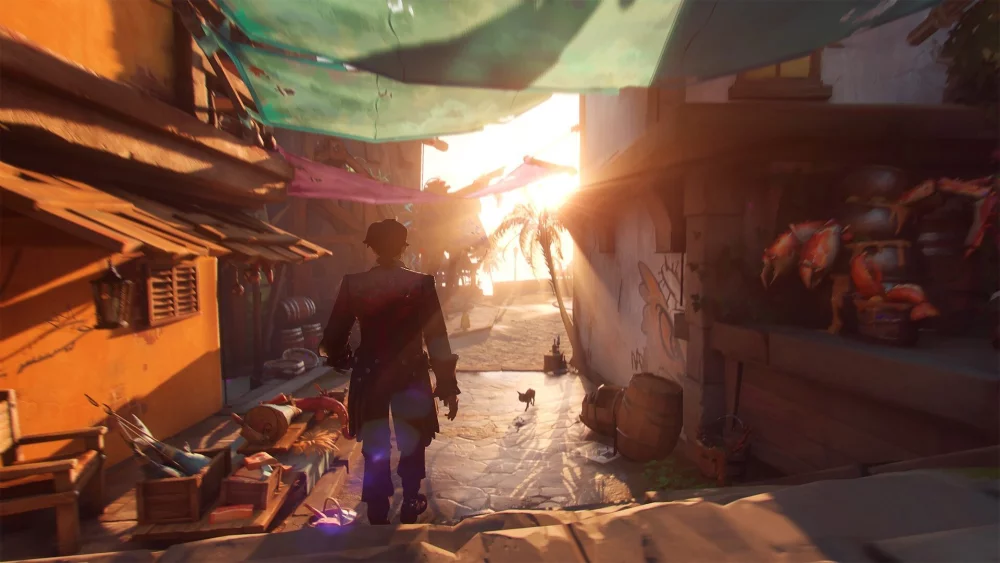
In Sea of Remnants, the high-fidelity cinematic presentation is matched only by the depth of its tactical turn-based combat system. Success on the high seas is not merely a matter of having the strongest characters, but of executing precise skill sequences and managing the flow of battle. Whether you are navigating treacherous oceanic encounters or engaging in high-stakes boss fights, understanding how to manipulate the turn order and maximize your team’s synergy is the key to victory.
The Foundation of Turn-Based Combat
Sea of Remnants utilizes a sophisticated turn-based engine that rewards proactive decision-making. Unlike static RPG systems, the game’s combat relies on a dynamic timeline that shifts based on character speed, ability usage, and environmental variables.
To master this, you must stop viewing combat as a series of isolated actions and start viewing it as a cohesive timeline. The turn bar at the top of your screen is your most important tool. Before selecting an ability, hover over your skills to see how they affect the turn order. Some high-damage abilities might delay your character’s next turn, while utility skills might allow for an immediate follow-up. Prioritize "turn manipulation" to ensure your primary damage dealers act before the enemy’s most dangerous threats.
Maximizing Ultimate Ability Sequences
Ultimate abilities in Sea of Remnants are the culmination of your tactical planning. These cinematic moves are designed to deal massive burst damage or provide significant utility, but they are most effective when chained correctly.
- Synergy Chains: Do not fire ultimate abilities in isolation. Look for characters with "Armor Break" or "Debuff" ultimates and trigger these before your primary damage dealer’s ultimate.
- Gauge Management: Monitor your team’s skill gauge constantly. It is often tempting to fire an ultimate the moment it is ready, but holding it for a single turn to align it with a debuff window can result in double the total damage output.
- Interrupt Windows: Some elite enemies have "charging" states indicated by a glowing aura. Saving your crowd-control ultimate abilities specifically for these moments can cancel the enemy’s turn, essentially providing you with a "free" round of attacks.
Tactical Positioning and Grid Awareness
While Sea of Remnants is a turn-based RPG, positioning is paramount. The battlefield is not just a backdrop; it is a tactical grid that influences how your skills function.
- Zone Control: Use characters with displacement abilities to knock enemies into environmental hazards or into clusters. This allows your area-of-effect (AoE) attackers to maximize their hits.
- Support Protection: Always place your healers and buffers in the backline or behind "tank" units. Enemies will prioritize the target with the lowest defense stats, so ensure your high-value support units are shielded by allies.
- Range Optimization: Different weapon types have specific range requirements. Avoid moving your ranged units into melee distance unless absolutely necessary, as this often triggers "opportunity attacks" from enemies that can whittle down your health before you can act.
Managing Skill Cooldowns and Resource Costs
A common mistake in Sea of Remnants is exhausting your resources in the first two turns, leaving your squad defenseless in the mid-to-late stages of an encounter. Resource management is the difference between a clean victory and a narrow scrape.
- The 3-Turn Cycle: Aim to use a balance of basic attacks, low-cost utility, and high-cost ultimates. A good rule of thumb is to spend no more than 60% of your total resource pool in the first phase of a fight.
- Cooldown Rotation: If a character has a long cooldown on their best skill, rotate them out of primary focus. Use their "filler" turns to apply passive buffs to the rest of the team.
- Energy Generation: Keep an eye on characters who have passives that generate extra energy on critical hits. These characters should be your priority for equipment upgrades that boost their Critical Hit rate.
Adapting to Cinematic Combat Flows
The cinematic presentation in Sea of Remnants is more than just visual spectacle; it is a functional tool for the observant player. The game provides detailed visual feedback for every interaction.
When your ultimate ability triggers, pay close attention to the impact frames—the precise moment the animation hits the target. In many cases, you can identify if an enemy has "Reactive Stance" or "Counter" active by watching the subtle changes in their idle animation during your turn. If an enemy flashes red or adopts a defensive posture, reconsider using a standard attack that might trigger a counter-damage effect.
Use the duration of these cinematic sequences to scan the entire battlefield. While the camera focuses on your character's attack, shift your eyes to the turn queue and the enemy health bars. Identifying which enemy is next in the rotation allows you to plan your next turn before the current animation even ends, drastically increasing your combat speed and tactical awareness.
Common Mistakes to Avoid
Even experienced players fall into traps that can lead to unnecessary party wipes. Avoid these common pitfalls:
- Over-committing to One Target: Focusing fire is good, but if you have an AoE character, don't ignore the side-adds. A small enemy that applies a "Defense Down" debuff can make your life miserable, even if it has low health.
- Ignoring Buff/Debuff Timers: Every status effect has a duration. If a boss is about to clear their debuffs on their next turn, there is no point in using a massive ultimate that relies on that debuff to deal bonus damage. Wait for the cycle to reset or use a different tactical approach.
- Neglecting Elemental Weaknesses: Always inspect your enemies before the encounter. Matching your team's elemental output to the enemy's weakness is a 20-30% damage increase that cannot be ignored in endgame content.
By integrating these strategies into your playstyle, you will find that Sea of Remnants becomes significantly more manageable. The game rewards patience, calculation, and a deep understanding of how your squad interacts with the turn-based timeline. Master these elements, and you will dominate the oceanic challenges ahead.

Free Sea of Remnants Codes
Current active codes and how to redeem them.

Michael Smith
Michael covers live-service games, events, reward systems, and efficient daily routines, turning frequent updates into clear actions for players.
COMMUNITY
Player Comments
130 players commented on this guide.
I wish I had read this before upgrading the wrong thing.
The explanation is clear, especially for beginners.
This guide answered the exact question I had.
I tried this today and it worked better than my old setup.