
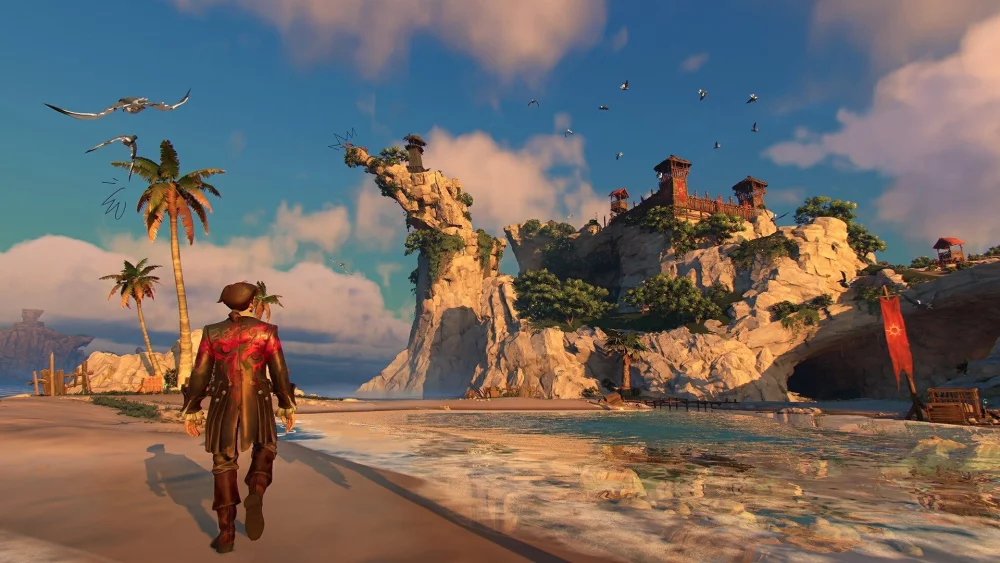
In Sea of Remnants, giant sea monsters represent the ultimate test for any aspiring captain. Unlike standard ship-to-ship combat, where positioning and broadsides dictate the flow of battle, monster encounters act as high-stakes boss fights. Success requires a sophisticated blend of resource management, precise maneuvering, and a deep understanding of your vessel’s offensive capabilities. Because these creatures possess massive health pools and devastating area-of-effect (AoE) strikes, players must shift their mindset from "skirmishing" to "raid-style" preparation.
This guide provides the authoritative strategy for tackling these colossal threats, ensuring you can farm them efficiently for high-value rewards without sinking your progress.
The Combat Loop: Why Monster Fights Are Different
The fundamental difference in Sea of Remnants monster combat is the shift from environmental awareness to target-specific focus. While enemy ships rely on firing arcs and speed, giant sea monsters utilize "telegraphed patterns."
Every monster follows a predictable cycle:
- Passive Phase: The monster circles or maintains distance, occasionally firing projectile attacks.
- Agitation Phase: The monster displays a distinct visual cue (e.g., glowing eyes, splashing tentacles, or submerging).
- Strike Phase: The monster unleashes a high-damage attack that covers a wide radius.
Your primary objective is to identify the "sweet spot" during the passive phase. You want to stay close enough to ensure 100% of your cannon shots connect with the monster’s hitbox but far enough away that you have at least two seconds of reaction time to navigate out of the impact zone during the Strike Phase.
Prioritizing Weaponry: Breaking Through Thick Hides
One of the most common pitfalls for new players in the Sea of Remnants beta is attempting to fight monsters with standard, low-caliber weaponry. These monsters often have "armor" thresholds; if your weapon’s penetration value is lower than the monster’s armor rating, you will see your damage numbers fluctuate or drop to near-zero.
- Focus on Armor Piercing: Prioritize cannons that state "Armor Piercing" or "Heavy Caliber" in their tooltips. These are designed specifically to mitigate the damage reduction monsters apply to standard rounds.
- Sustained DPS vs. Burst: While burst damage is great for popping enemy ships, monsters are damage sponges. A weapon with a high fire rate or a "continuous burn" effect is often more valuable than a heavy cannon with a long reload time, as the latter leaves you vulnerable when you need to be maneuvering.
- The Upgrade Priority: If you are struggling to make a dent, stop engaging. Invest your gold into the ship’s cannons first, followed by hull reinforcement. Damage is your best defense in these fights—the faster the monster dies, the fewer mechanics you have to dodge.
Masterful Maneuvering: The Art of the Evasion
In Sea of Remnants, your ship’s mobility is your most important defensive stat. When a giant sea monster prepares an attack, it will almost always target your current position. If you remain stationary, you will take full damage.
Essential Evasion Techniques:
- The "V" Pivot: When you see the telegraph for a charge or a frontal slam, do not try to sail in a straight line away from it. Instead, pivot your ship at a 45-degree angle to the side. This creates a "V" shape in your movement, maximizing your ability to exit the hitbox of the attack quickly.
- Counter-Clockwise Strafing: Most monsters in the current beta have a dominant side for their tentacle swings. Observe the monster for the first 30 seconds of the fight. If it consistently swings from its right to left, you should strafe in a wide circle to your left.
- Managing the Submerge: When a monster submerges, do not chase it. Cut your speed, observe the water for ripples or bubbles, and prepare to turn sharply. The monster will almost always resurface behind or directly beneath your last known location.
Resource Management: Avoiding the "Bankruptcy Sink"
A common mistake in Sea of Remnants is treating monster hunting as an infinite farming loop. Every encounter carries an overhead cost. Before you engage, perform a quick "Sustainability Check."
- Repair Kits: Do not enter a fight if you have fewer than three repair kits in your inventory.
- Ammo Inventory: If your inventory is full of low-tier cannonballs, you may run out of ammo mid-fight, leaving you defenseless. Always stock at least 50% more ammunition than you think you need for the monster’s estimated health pool.
- The Repair vs. Loot Ratio: If a monster drops 500 gold worth of loot but repairing your ship costs 300 gold plus the cost of the ammunition used, you are losing profit. Only engage monsters that offer specific rare materials or high-value drops that justify the wear and tear on your vessel.
Strategic Timing for Monster Events
Sea of Remnants features dynamic monster events—timed windows where spawn rates increase or elite variants appear. These events are the best time to grind, but they are also the most dangerous.
- The Crowd Factor: During events, other players will be in the area. While you cannot always party up, use other players as "damage sponges." Let them engage first, then move in to help. The game’s loot distribution often rewards the highest damage dealer, but if you are under-geared, playing the support role is a safer way to gain XP and learn the monster’s patterns.
- Event Scoping: Use the event timer to clear out "trash" mobs (smaller sea creatures) first. This fills your inventory with sellable items and ensures you have the gold necessary to repair your ship before you tackle the main boss.
Final Decisions: When to Retreat
There is no shame in retreating. In Sea of Remnants, losing your ship means losing a portion of your current cargo and a significant amount of time spent sailing back to the wreck site.
If your ship’s health drops below 30% and you have used your repair kits, pull back. Use your speed to gain distance, wait for the monster to lose interest or reset, and sail to the nearest outpost. A captain who retreats lives to fight another day, while a captain who stays to "get that last hit" usually ends up at the bottom of the sea. By focusing on your weapon upgrades, internalizing the telegraph patterns, and managing your repair-to-loot ratio, you will soon find that these giant monsters are not bosses to fear, but consistent sources of wealth and progression.

Free Sea of Remnants Codes
Current active codes and how to redeem them.

James Brown
James focuses on Android gaming on PC, emulator setup, controls, performance tuning, and practical troubleshooting for longer play sessions.
COMMUNITY
Player Comments
152 players commented on this guide.
The explanation is clear, especially for beginners.
This saved me time in the early game.
I wish I had read this before upgrading the wrong thing.
Good guide for Sea of Remnants players. The strategy part was useful.