
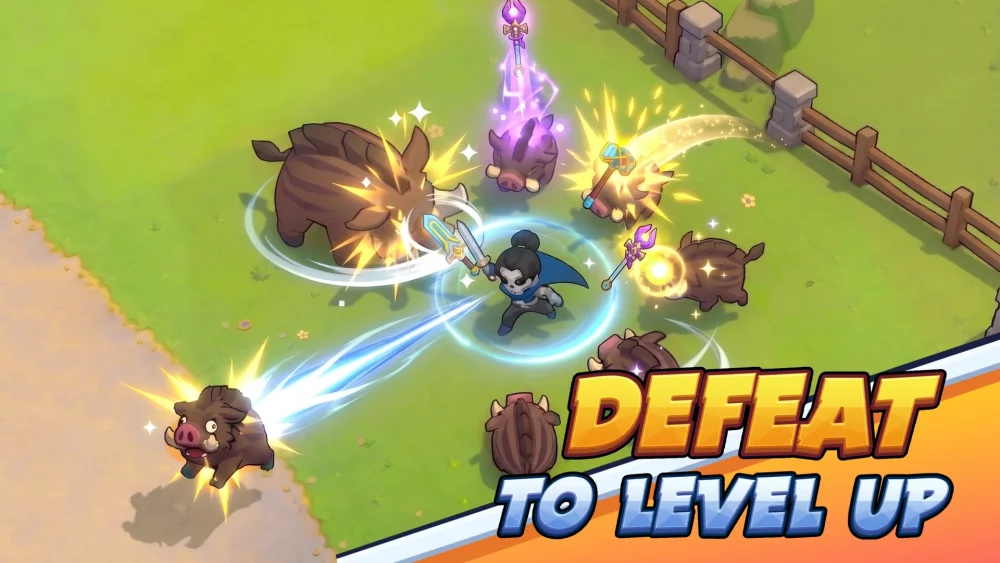
In Skull Hero, the dash is far more than a simple evasion tool—it is the cornerstone of the game's most effective aggressive playstyle. By crafting a "Dash Build," you convert your character's primary mobility mechanic into a constant source of damage, crowd control, and invincibility. This guide breaks down the essential gear synergies, inscription priorities, and tactical execution required to turn your dash into an unstoppable force that clears rooms in seconds.
The Mechanics of a Successful Dash Build
To build an effective Dash setup, you must shift your mindset from "dodging to survive" to "dashing to dominate." The core mechanic relies on items that trigger effects—such as shockwaves, projectiles, or area-of-effect damage—at the start or end of your dash trajectory.
Because Skull Hero allows for rapid-fire movement, a well-optimized dash build ensures that you are effectively "attacking" every time you reposition. The goal is to layer multiple "on-dash" effects so that a single button press results in a screen-clearing burst of damage.
Prioritizing Dash-Triggered Item Synergies
Not all items are created equal. When building for speed and lethality, prioritize equipment that provides distinct benefits upon dashing. Look for the following categories of items:
- Impact Procs: Items that release projectiles or explode upon landing a dash. These are your bread and butter for clearing monster waves.
- Invincibility Frame (I-Frame) Extenders: While your dash naturally provides a short window of invincibility, some rare items extend this duration. These are critical for navigating dense bullet-hell patterns during boss fights.
- Cooldown Reduction Gear: To maintain a continuous offensive rhythm, you need to minimize the internal cooldown of your dash. Items that reset dash charges or reduce cooldowns upon killing enemies are vital for high-level progression.
Leveraging Speed for Damage Scaling
In Skull Hero, movement speed is a hidden damage multiplier. Several high-tier inscriptions and items grant bonus damage based on your character’s current speed. By stacking movement speed, you don't just reach enemies faster; you hit them harder.
Strategic Progression Priorities
- Baseline Speed: Always prioritize inscriptions that grant flat movement speed percentages early in your run.
- Momentum Scaling: Look for gear that rewards "distance traveled." These items ensure that even if you aren't actively attacking, your movement is contributing to your overall DPS.
- Dash Frequency: Always prioritize items that provide extra dash charges. Being able to dash three times in quick succession is exponentially better than having one dash with a longer cooldown.
Managing Risks: When to Dash and When to Stop
The greatest mistake players make with a dash build is "spamming." If you mindlessy dash, you will eventually dash directly into a telegraphed boss attack or a trap.
- Understand the I-Frame Window: Your dash frames are finite. Practice the timing against standard monsters before relying on it to bypass boss mechanics.
- Directional Control: Don’t always dash through an enemy. Sometimes, dashing perpendicular to an attack is safer and keeps you in an optimal position to continue your onslaught.
- The "Stop-and-Go" Strategy: Even the fastest dash builds need a moment of stillness to pick up items or evaluate the next wave. Don’t fall into the trap of constant movement if it means losing track of your character's position on the screen.
Choosing the Best Hero for Mobility
The hero you choose significantly impacts your build's ceiling. Some characters possess passive abilities that directly benefit from dashing—such as increased dash distance, additional damage pulses, or temporary buffs to attack speed following a dash.
If your chosen hero lacks these passives, you must rely on your secondary hero slot to provide utility. Using a secondary hero that offers a speed-boosting "swap effect" is a common pro-level tactic to maintain momentum during long, grueling boss encounters where you need a quick escape or a burst of speed to chase down a fleeing target.
Late-Game Refinements and Survivability
As you reach the final stages of a Skull Hero run, monster density and boss health pools increase significantly. A pure "glass cannon" dash build may struggle here. To maintain consistency, you must integrate defensive layers into your mobility-focused setup:
- Shield-on-Dash Items: These are the most important survivability tools for dash builds. They grant you a temporary shield every time you dash, effectively turning your offensive movement into a defensive barrier.
- Status Effect Integration: If your dash can apply "Burn," "Freeze," or "Stun," your survivability skyrockets. Applying a status effect to an entire wave of enemies while moving past them is the safest way to clear high-difficulty stages.
- Percentage-Based Scaling: Flat damage bonuses become obsolete in the late game. Always swap out flat-damage items for percentage-based modifiers to ensure your dash stays relevant through the final boss fight.
Final Tactical Summary
To master the Dash Build in Skull Hero, treat your dash as a primary offensive skill rather than a defensive utility. By focusing on dash-triggered items, maximizing movement speed, and integrating shield procs, you will create a character that is nearly impossible to hit while simultaneously outputting high, consistent damage. Remember: the best dash build is the one that forces enemies to deal with your presence while you remain safely out of their reach.

Free Skull Hero Codes
Current active codes and how to redeem them.

Sarah Williams
Sarah specializes in RPG and collection games, explaining team building, character growth, and beginner-friendly ways to avoid expensive early mistakes.
COMMUNITY
Player Comments
160 players commented on this guide.
I tried this today and it worked better than my old setup.
Good guide for Skull Hero players. The heroes part was useful.
The explanation is clear, especially for beginners.
This saved me time in the early game.